
Can My Dog Travel on the Train? A Practical Guide
Find out how to check train rules for dogs, prepare your pet, choose a suitable journey and manage tickets, space and fellow passengers.

In many places, dogs can travel by train, but permission, fares and conditions depend on the operator and route. Check the rules for every train in your journey before booking, including any requirements for leads, carriers or assistance dogs. Then choose a suitable service and prepare your dog for the sights, sounds and time spent aboard.
A little planning can prevent problems at the station and on board. Practise calm waiting, bring water and familiar equipment, and make sure your dog can settle without blocking an aisle or bothering other passengers.
This guide explains how to verify a train operator’s policy, prepare your dog, compare travel setups and handle tickets and shared space. If a rule is unclear, contact the operator before you travel and keep its guidance handy.
- Check the rules for every operator and train before booking.
- Practise with travel equipment and station sounds before departure.
- Choose a route and setup that suit your dog and keep shared spaces clear.
- Carry required tickets, essentials and written policy details.
Start With the Train Operator’s Dog Policy
Check Every Part of the Route
Check the policy of every operator on your itinerary before buying tickets, because rules can differ between services and countries. Look for conditions on dog size, number of dogs, fares, carriers and where pets may sit or stand. If you change trains, confirm the rules for each leg rather than assuming the first operator’s policy applies throughout.
- ☐ Check pet rules for every train in your itinerary.
- ☐ Confirm whether your dog needs a ticket or reservation.
- ☐ Ask where dogs may travel and whether a carrier is required.
- ☐ Save the operator’s policy and any booking confirmation.
Use the operator’s official travel information, then contact customer service if the wording leaves room for doubt. Ask specifically about your dog’s size, whether a carrier is required and any restrictions during busy periods. A rail operator or pet travel publisher sharing a policy guide could use a guest post marketplace to find relevant outlets for that information.
Save or print the current policy and note any booking steps, such as adding a pet to a reservation or collecting a permit. Check the details again shortly before departure in case temporary restrictions affect your route. If staff give you guidance by phone, record the date and the details of what they confirmed.
- Check each operator and route.
- Confirm size and carrier rules.
- Ask about fares and booking steps.
- Save the operator’s written guidance.
Clarify Exceptions Before Booking
Ask the operator about exceptions before you commit to a ticket, especially if your dog is large, travelling in a carrier or joining a cross-border journey. Some services may apply different conditions to assistance dogs, while others may restrict pets in particular carriages. Do not assume that a rule on one route automatically covers another.
Explain your travel details clearly when you contact the operator: the stations, connections, approximate dog size and whether your dog will be in a carrier. This helps staff answer the situation you actually face instead of giving a broad summary. If you have a written reply, keep it accessible with your booking information.
If the policy cannot accommodate your dog, look for another departure, route or transport option before travel day. Leaving this decision until you reach the station can mean a missed train or an avoidable change to your plans. Check that any alternative still meets your dog’s needs, including space to settle and reasonable breaks.
Prepare Your Dog for the Journey
Build Familiarity With Travel
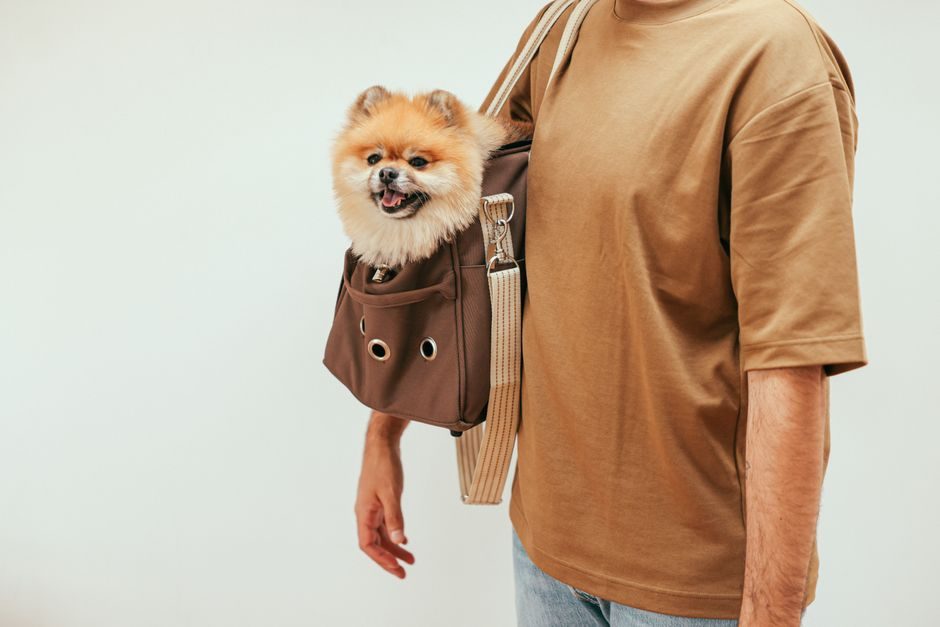
Help your dog get used to the equipment and routine before the journey, rather than introducing everything at the station. Practise settling on a mat or resting in the carrier if the operator requires one. Start in a quiet place, reward calm behaviour and gradually add everyday sounds or movement your dog may encounter.
A short practice visit to a station can make unfamiliar sights and announcements less startling, provided dogs are allowed in that area. Keep your dog on a secure lead and leave if they become overwhelmed. If a transport provider needs to announce a change to its pet travel policy, it could explore options to buy sponsored posts that reach dog owners.
Plan a gradual build-up that suits your dog’s confidence and past experience. A dog that is comfortable in a car may still find crowded platforms, sudden braking or close contact with strangers difficult. Practise waiting calmly while people pass, and reward your dog for staying close without pulling or barking.
- Practise with the required carrier or mat.
- Introduce station sounds gradually.
- Reward calm waiting on a lead.
- End practice before your dog becomes distressed.
Pack for Comfort and Care
Pack only what you can manage while keeping your dog secure and close. Bring a lead, waste bags, water and a bowl, plus any medication your dog normally needs. A familiar blanket or mat can help your dog settle, but check that it will not spread into a shared seat or walkway.
Give your dog a toilet break before entering the station and allow enough time for a calm walk rather than a hurried dash. Avoid making sudden changes to food or feeding routines just before departure, since an upset stomach can make the trip harder. Carry cleanup supplies in an easy-to-reach pocket, not buried under luggage.
Keep identification attached and check that your contact details are current before leaving home. If your dog becomes ill, overheated or unusually distressed, find a safe place to pause and ask station staff for help. Follow veterinary advice for dogs with travel sickness, mobility limits or health conditions that could affect a long journey.
Choose the Right Train and Travel Setup
Compare Service and Timing
Choose a service that gives your dog the best chance to travel calmly, not simply the fastest connection. A direct train avoids repeated boarding and platform changes, while an off-peak departure may mean less crowding where that option is available. Check journey length against your dog’s ability to settle and the opportunities for toilet breaks.
- Choose a direct service to reduce transfers when one suits your route.
- Consider a quieter departure if your dog struggles with crowds.
- Allow extra time if you need to change platforms.
- Check the full journey for suitable access and toilet-break planning.
When comparing services, consider station access, transfer time and how much luggage you must carry alongside your dog. A tight connection can leave little time to find the next platform or help a nervous dog adjust. When a rail service has important information about travelling with dogs, cheap press release distribution may help it reach a wider audience.
If you must change trains, choose a connection that allows enough time to move at your dog’s pace. Confirm whether the next platform is accessible without stairs or a long detour, and identify a suitable waiting area. Check for engineering changes or service disruptions before leaving, since alterations can make a previously manageable route difficult.
- Prefer a direct service when practical.
- Consider quieter departure times.
- Allow a comfortable connection window.
- Check station access and service changes.
| Choice | Useful when | Check before booking |
|---|---|---|
| Direct service | You want fewer changes | Journey length and dog’s comfort |
| Off-peak departure | Your dog finds crowds difficult | Operator rules and service times |
| Connecting trains | No direct route is suitable | Transfer time and platform access |
| Carrier setup | A carrier is required or practical | Size rules and room to settle |
Match Equipment to Your Dog
Choose the travel setup that complies with the operator’s rules and lets your dog remain secure without obstructing others. A lead suits dogs that can settle beside you; a carrier may be required or more practical for a small dog. Check that your dog can stand, turn and lie comfortably in any carrier used.
A harness can give you a secure point of control when moving through a busy station, while a well-fitted collar should carry identification. Keep the lead short enough to prevent your dog crossing into the aisle, but not so tight that your dog cannot stand comfortably. Avoid tying your dog to fixtures or leaving them unattended.
Think about where your dog will rest and how you will manage water, bags and luggage together. Keep essentials reachable without spreading belongings across seats or blocking doors. If your dog is anxious in enclosed spaces, do not assume a carrier will help; practise beforehand and choose an arrangement your dog can tolerate safely.
Arrive with enough time to find the correct platform and let your dog settle before boarding.
Manage Tickets, Space and Other Passengers
Sort Out Tickets and Boarding
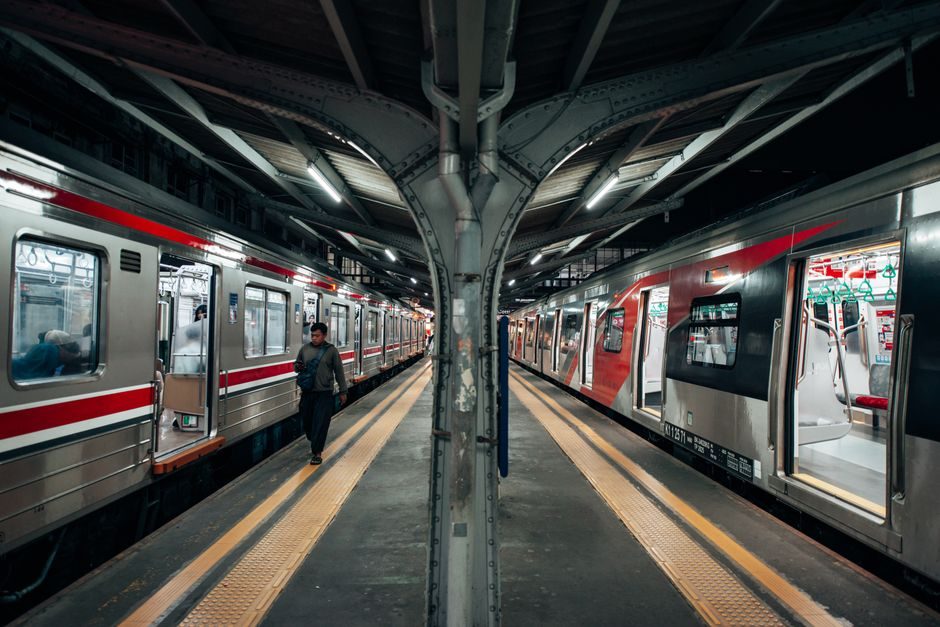
Confirm whether your dog needs a ticket, reservation or other booking step, and carry proof of any required payment or permission. Keep your own ticket and your dog’s travel details easy to find at the gate or on board. A transport group communicating consistent pet travel guidance across markets might consider white label press release distribution.
Arrive with enough time to find the correct platform and let your dog settle before boarding. Keep your dog on a lead near crowds, lifts and platform edges, and follow staff directions if boarding arrangements change. When the train arrives, wait for passengers to leave before moving into the carriage with your dog.
Board only when you can do so safely, keeping your dog close and your bags under control. If the carriage is unexpectedly crowded or your dog cannot fit without blocking an aisle, ask staff about the safest next step. Avoid squeezing into a space that leaves your dog exposed to feet, doors or heavy luggage.
- Check whether your dog needs a ticket or reservation.
- Keep travel documents easy to reach.
- Arrive early enough to settle before boarding.
- Follow staff instructions if plans change.
Share Space Considerately
Keep your dog close to you and out of aisles, doorways and seats unless the operator explicitly allows otherwise. A compact mat can mark a settling spot, but it should not claim space needed by other passengers. Watch your dog’s lead and tail when people pass, especially in narrow corridors or busy carriages.
Give other passengers room to move and do not assume they want to greet your dog. Ask before allowing interaction, and calmly redirect your dog if they approach someone or become vocal. If another passenger raises a concern, stay courteous and seek assistance from staff rather than letting a disagreement distract you from your dog.
Clean up promptly if your dog sheds heavily, drools or has an accident, using supplies you packed for that purpose. Offer water in a stable bowl and take care to avoid spills on the floor. If your dog becomes restless, check whether they need water, a quiet pause or a chance to leave at the next suitable stop.
Avoid Common Problems on the Day
Prepare for Delays
Build extra time into your arrival so a queue, platform change or slow boarding process does not force you to rush your dog. Check live service updates before leaving home and again at the station, then identify a quiet place where you can wait if departure is delayed.
- Check service updates before leaving and at the station.
- Keep water, waste bags and medication within reach.
- Ask staff for safe options when disruption changes your plans.
Keep water, waste bags, your dog’s lead and any needed medication easy to reach rather than buried in luggage. If a delay extends the journey, offer a short toilet break only where station rules allow, and keep your dog securely leashed while moving through crowds.
Businesses that help owners plan trips with dogs can use guest posting services uk to share practical travel advice on relevant sites. For your own journey, keep the operator’s contact details handy and ask staff about safe waiting arrangements if disruption changes your route or connection.
Handle Toileting and Cleanups
Give your dog a toilet opportunity before entering the station, while allowing enough time to clean up properly. Carry waste bags and a small supply of paper towels; if an accident happens, move your dog out of the way first, then alert staff and follow their instructions.
Avoid letting your dog drink heavily just before boarding, but do not withhold water during a long or warm journey. Offer small amounts when practical, and watch for signs that your dog urgently needs a break, such as persistent restlessness, circling or repeated attempts to leave its space.
If you need to leave the platform area during a delay, check whether your ticket and station layout allow you to return easily. Keep your dog with you rather than tying it to a railing, and never leave it unattended beside luggage, even briefly, in a busy public space.
Help Your Dog Stay Calm and Comfortable
Create a Settled Travel Space
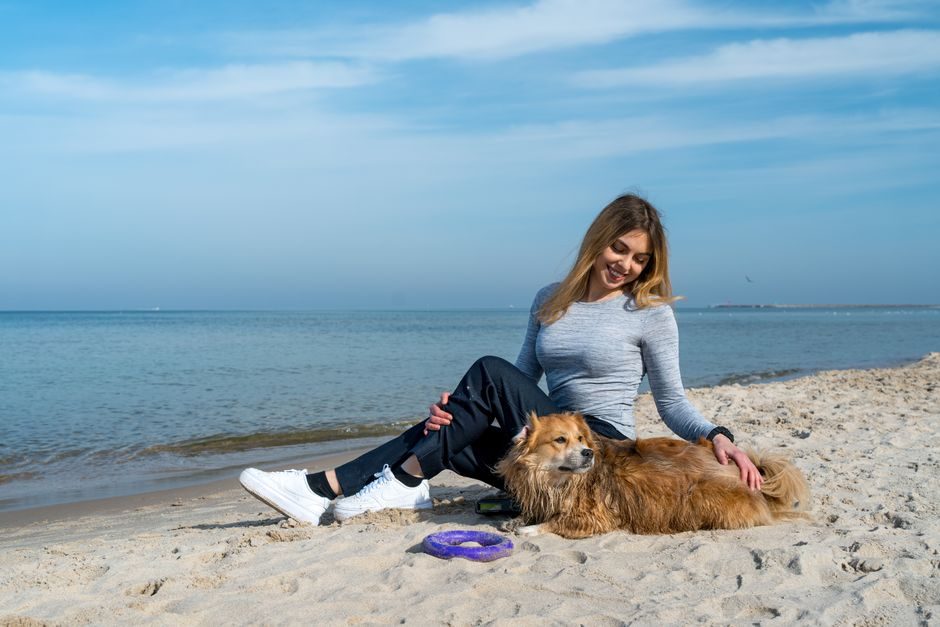
Give your dog a familiar place to settle, using a blanket or mat that fits safely at your feet or inside its approved carrier. Keep the lead short enough to prevent wandering into the aisle, but loose enough for your dog to lie down and change position comfortably.
A dog travel service seeking help to communicate its guidance may find a marketing agency directory useful when looking for support. For owners, the practical priority is to make instructions easy to follow: explain where a dog can sit, how it should be restrained and what to do if it becomes distressed.
Choose a spot away from doors and heavy foot traffic when the train layout and operator rules permit. Do not block an aisle, emergency equipment or another passenger’s seat, and be ready to adjust your position if staff identify a safety concern or a passenger needs access.
Read Stress Signals Early
Notice your dog’s behaviour rather than assuming that quiet means comfortable. Panting when it is not hot, trembling, repeated yawning, lip licking, tucked posture or constant scanning can signal stress, especially when several signs appear together or intensify during the trip.
Respond by reducing stimulation where possible: speak calmly, offer a familiar cue, and create a little distance from noise without blocking public space. Avoid scolding or forcing your dog to greet strangers, since pressure can increase distress and make the carriage harder to manage.
If your dog is becoming overwhelmed, ask staff whether you can move to a quieter permitted area or leave the train at a suitable stop. Do not give sedatives or calming products unless a veterinarian has advised that specific choice for your dog and journey.
Share Clear Pet Travel Information
Make Guidance Easy to Follow
If you arrange dog-friendly journeys for others, put the essential rules in one clear place: operator policy, carrier or lead requirements, ticket details and toilet-break options. Readers running a dog travel service can use a marketing agency directory when looking for support to communicate their guidance clearly.
Separate confirmed requirements from suggestions, and identify which details depend on the train operator or route. For example, state that a carrier may be required on one service while another may permit a leashed dog, then direct travellers to verify the current policy before booking.
Use plain language and practical examples instead of vague assurances such as “dogs are welcome.” Tell owners what to do at boarding, where the dog may travel and whom to ask if a rule is unclear, so they can make a safe plan before reaching the station.
Set Expectations Before Departure
Tell anyone travelling with you what role they can play before the journey begins. One person can manage tickets while another keeps the dog close, checks the platform and watches for changes, reducing last-minute confusion in crowded station areas.
If your dog is nervous, let companions know not to crowd, pet or feed it without your permission. Agree on a simple plan for delays or missed connections, including who will speak to staff and how you will keep the dog safely beside you.
For group trips, share the operator’s pet rules in advance rather than relying on assumptions passed between passengers. Ask each person to keep bags clear of the dog’s space and to leave room for other travellers, especially when boarding or moving through a narrow aisle.
Build Better Habits for Future Trips
Review What Worked
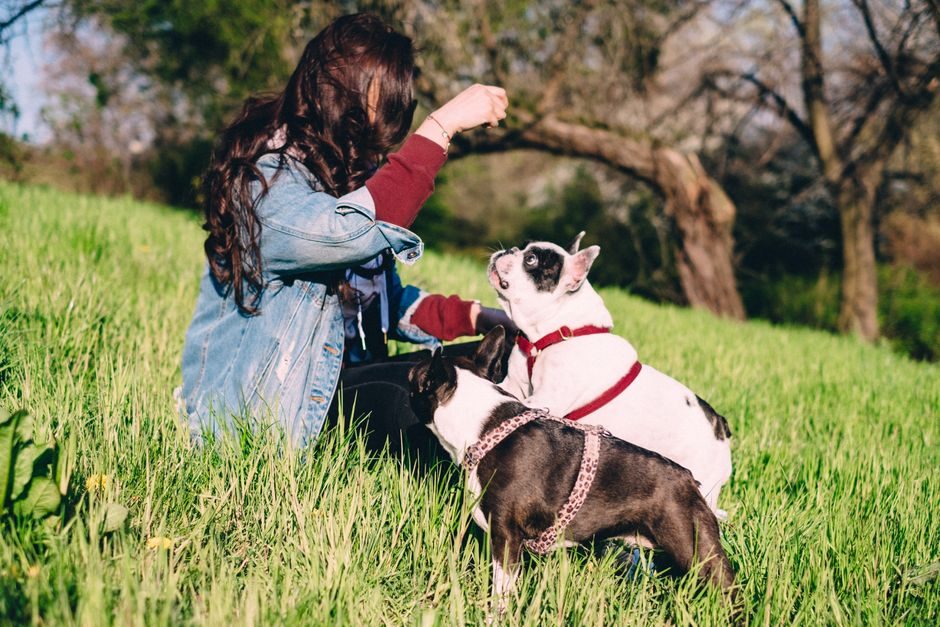
After arriving, note which parts of the trip your dog handled well and where it struggled. Record useful details such as the noise level, waiting time, toilet arrangements and whether the chosen carrier or resting spot helped, so your next plan reflects what happened rather than guesswork.
- Mistake: Treating a quiet dog as automatically comfortable. Better: Check posture and behaviour for stress.
- Mistake: Changing the entire travel setup after one difficult trip. Better: Adjust one factor and observe the result.
- Mistake: Scheduling a busy activity immediately after arrival. Better: Allow recovery time in a familiar place.
Give your dog a chance to decompress after travel in a familiar, quiet place, with water and a normal opportunity to rest. Avoid packing another demanding activity into the same day if the journey has left it tired, unsettled or unusually watchful.
Common mistakes include rushing straight from a long journey into a crowded outing, ignoring early signs of fatigue and changing several parts of the setup at once. A better approach is to make one manageable adjustment per trip, then observe whether it improves your dog’s comfort and behaviour.
Practise in Small Steps
Build train confidence gradually by practising the skills your dog will need, such as settling beside you, walking calmly through a busy entrance and remaining relaxed around unfamiliar sounds. Start in a low-pressure setting and shorten or simplify the exercise if your dog shows clear discomfort.
Before attempting a full journey, practise wearing the harness or settling in the carrier that will be used for travel. Reward calm behaviour in a familiar place, then introduce brief visits to a station only if permitted and manageable for your dog.
Keep future trips realistic: consider your dog’s age, health, temperament and the length of the route, not just whether the operator allows dogs. If travel remains consistently distressing, ask your veterinarian or a qualified behaviour professional for individual advice before booking another demanding journey.
Frequently asked questions
Can I take my dog on an international train?Possibly, but permission can depend on each operator, the countries crossed and the type of service. Check the rules for every leg of the route, including any connecting trains, and confirm required travel documents, identification and health conditions with the relevant authorities. Allow time for border procedures, and do not assume that a rule on one train applies to the next.
Should my dog wear a muzzle on the train?Follow the train operator’s rules and any applicable local requirements; some services or jurisdictions may require a muzzle in particular circumstances. Even when it is not mandatory, a properly fitted muzzle may be appropriate for a dog that is already trained to wear one and needs it for safety. Introduce it gradually beforehand, and never use it to conceal distress or replace supervision.
What should I do if my dog becomes ill during the journey?Move your dog to a safe place without blocking other passengers, and tell train staff if you need help or must get off at the next suitable stop. Offer water if your dog can drink normally, but do not give medication unless a veterinarian has advised it. For severe symptoms, contact a veterinarian promptly and explain your location and onward travel plans.
Can I travel by train with a puppy?That depends on the operator’s rules, your puppy’s health and its ability to manage the journey safely. Check age and vaccination requirements with the operator and your veterinarian, then consider whether the trip can wait until your puppy is more settled in public settings. If you travel, keep the puppy securely contained or leashed as required and plan for frequent, suitable toilet opportunities.
Make the Journey Work for Your Dog
A successful train trip starts with the specific operator’s rules, but comfort and safety depend on the details you control: timing, secure restraint, accessible supplies and a realistic plan for delays. Watch your dog throughout the journey, respond early to signs of stress and ask staff for help when arrangements change. No single setup suits every dog, so use your own observations to shape the next trip.
Before booking, check the policy for every train on your route and consider whether your dog can manage the duration, crowds and likely waiting time. Prepare the essentials, practise any unfamiliar equipment and leave space in the schedule for breaks or disruption. After travelling, note what worked and what did not; that simple review gives you a more useful plan for the next journey.
Add Pet Safety Gear & Accessories for Dogs on the Go as a preferred source on Google


