
How to Become a Dog Trainer and Behaviourist: A Practical Guide
Learn how to become a dog trainer or behaviourist through study, supervised practice, ethical methods and a career path that suits your skills and goals.

To become a dog trainer or behaviourist, study canine learning and welfare, then build practical experience under skilled supervision. Choose training and qualifications that match the work you want to do, and learn to recognise when a dog’s needs call for veterinary or specialist support. Ethical practice, clear communication and ongoing learning matter as much as a certificate.
Training generally focuses on teaching skills and changing specific behaviours, while behaviour work often involves assessing more complex or persistent concerns. The roles can overlap, but neither job should promise quick fixes or treat a dog’s distress as disobedience. Your scope of practice should guide which cases you accept and when you refer to another professional.
A responsible career takes time to develop. Use a mix of structured study, observation, supervised sessions and reflection to test whether the work suits you. The steps below explain how to build that foundation, gain experience safely and choose a direction without losing sight of each dog’s welfare.
- Learn canine behaviour and welfare, and understand the limits of training and behaviour work.
- Build experience through observation and supervised practice before taking on cases independently.
- Choose courses and credentials that fit your intended work, and check local expectations.
- Use humane methods, refer beyond your competence and keep learning throughout your career.
Understand the difference between training and behaviour work
Skills and behaviour concerns
Dog trainers help owners teach practical skills, such as loose-leash walking, recall and settling on a mat. They may also work on everyday challenges like jumping up, using reward-based methods and adjusting the environment so the dog can succeed. The focus is often a clearly defined goal that can be practised in manageable steps.
- Mistake: treating fear as stubbornness; better approach: reduce pressure and identify what the dog finds difficult.
- Mistake: promising a quick fix; better approach: set realistic goals and review progress with the owner.
- Mistake: accepting every case; better approach: work within your competence and refer when needed.
Behaviour work usually starts with a broader assessment of what a dog does, when it happens and what may be influencing it. Fear, anxiety, aggression or sudden changes in behaviour can involve health, learning history and surroundings, so these cases need careful evaluation. A behaviour professional may plan gradual changes and collaborate with a veterinarian when appropriate.
The boundary is not identical across every professional title or country, so do not rely on a job label alone. Ask what a practitioner has studied, what cases they handle and how they decide when to refer. If the dog is in pain, has bitten, or shows escalating distress, a veterinary assessment should be part of the plan.
- Teach a reliable recall in safe, low-distraction settings.
- Help an owner build a calm greeting routine.
- Refer sudden or severe behaviour changes for veterinary input.
Know your professional limits
A responsible trainer explains what their service can and cannot address before taking on a case. For example, teaching a dog to settle during visitors may be suitable for a trainer, while a bite history or severe fear may require a behaviour specialist and veterinary involvement. Clear limits protect the dog and help owners find appropriate support.
Titles and routes into the field vary by location, and some may not be legally protected. That makes transparent credentials, references and a clear description of methods especially useful when owners choose a professional. You can apply the same standard to yourself: describe your experience honestly and avoid implying a clinical or veterinary role you do not hold.
Build referral relationships before a difficult case arrives. Learn which local veterinarians and qualified behaviour professionals welcome collaboration, and agree how you will share observations with an owner’s consent. Referring is not a failure; it is a practical way to keep care joined up when a dog’s needs fall outside your skills.
Build your knowledge of canine learning and welfare

Study how dogs learn
Learn how consequences, timing and the environment shape behaviour before advising owners on training plans. A dog may repeat an action that earns attention, food or access to something it wants, while a distracting setting can make a familiar cue harder to follow. Understanding these basics helps you choose achievable steps rather than blaming the dog for struggling.
Study reward-based teaching, reinforcement schedules, body language and how to change a behaviour gradually. Practise breaking a goal into small actions, such as rewarding a dog for looking back at its handler before asking for recall around greater distractions. Reading is useful, but discussing examples with a knowledgeable mentor helps connect theory to real dogs.
Keep learning from sources that explain evidence and welfare clearly, and compare advice rather than copying a technique because it is popular. Take notes on what you observe, what changed in the setting and how the dog responded. That habit encourages careful reasoning and makes it easier to revise a plan when progress stalls.
- Study reinforcement and the timing of rewards.
- Practise reading canine body language in context.
- Break complex skills into teachable steps.
- Review what changed when a dog struggled.
Put welfare at the centre
A training plan should let a dog feel safe enough to learn. Watch for signs such as turning away, repeated lip licking, freezing or attempts to leave, while remembering that signals depend on context and the individual dog. If stress rises, pause, increase distance or make the task easier rather than insisting on another repetition.
Consider health, rest, food, exercise and the dog’s surroundings when behaviour changes. A dog that suddenly avoids handling, for instance, may be uncomfortable rather than uncooperative, so the owner should seek veterinary advice before training proceeds. Ask owners about routines and known triggers, and avoid diagnosing medical conditions outside your role.
Choose methods that teach useful alternatives without frightening or hurting the dog. Explain to owners how management—such as using a lead at a safe distance from a trigger—can prevent rehearsal while a longer-term plan develops. Welfare also includes the people involved: give clients clear safety steps and avoid setting goals that expose anyone to unnecessary risk.
Get supervised, hands-on experience with dogs
Observe before leading sessions
Start by watching experienced professionals work with dogs and owners, then discuss why they chose each step. Notice how they arrange the space, explain an exercise, respond to stress signals and adjust when a dog cannot cope. Observation gives you a view of real sessions that books and classroom examples cannot provide on their own.
Ask for permission before observing, and respect the privacy of clients and their dogs. If you volunteer with a rescue or community group, follow its handling rules and take direction from staff rather than testing techniques independently. A helpful first role may involve preparing equipment, keeping records or supporting calm, low-risk activities.
Move into supervised practice only when a mentor agrees that the task suits your current ability. Begin with straightforward skills and a clear plan, such as rewarding a dog for orienting to its handler in a quiet space. Afterward, review what worked, what the dog communicated and what you would change before trying again.
| Route | What you practise | Key safeguard |
|---|---|---|
| Professional observation | Session structure and coaching | Get client permission |
| Rescue volunteering | Routine care and dog signals | Follow staff direction |
| Supervised practice | Teaching simple skills | Work within your ability |
| Record review | Reflecting on progress | Protect client privacy |
Practise with clear safeguards
Keep early practice simple, voluntary and easy to stop. Work in a secure setting with suitable equipment, an informed handler and a plan for interruptions or escape, and do not approach an unfamiliar dog without permission. If the dog shows distress or the handler feels unsafe, end the exercise and seek guidance rather than pushing on.
Record useful details after each session: the goal, the environment, the dog’s responses, the rewards used and any changes made. With the owner’s permission, these notes can help a supervisor assess your decisions and track progress over time. Avoid sharing identifying details publicly, and store records in a way that respects client privacy.
Ask your supervisor for specific feedback, not just a general impression. You might ask whether your reward timing was clear, whether the dog had enough space, or whether your instructions made sense to the owner. Compare approaches according to the dog’s response and welfare, then practise one improvement at a time.
- Get owner permission before observing or handling.
- Use a setting and task suited to your experience.
- Stop if the dog or handler is distressed.
- Review notes with a qualified supervisor.
Choose a course by looking beyond its title: check what it teaches, how it assesses practical skill and whether it covers welfare, learning theory and professional boundaries.
Choose training and qualifications that suit your goals
Compare learning routes
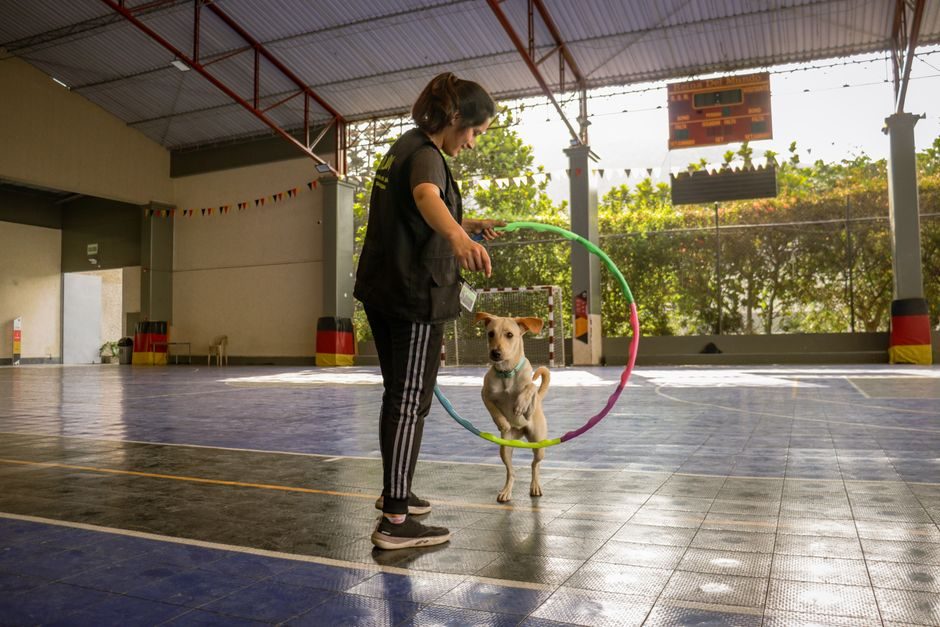
Choose a course by looking beyond its title: check what it teaches, how it assesses practical skill and whether it covers welfare, learning theory and professional boundaries. A useful programme should make its methods and expectations clear, and give you ways to practise or receive feedback. Ask how its content fits the kind of cases you hope to handle.
Some people begin with structured study before seeking supervised experience; others volunteer or observe while completing coursework. Either route can work if you build both sound knowledge and practical judgement. When comparing options, ask about instructor expertise, assessment standards, ongoing support and what graduates are expected to do before working independently.
If you are deciding where to establish a practice, Leicester Seo Services may help you understand how a local consultant supports visibility in Leicester and Leicestershire. Keep that practical business question separate from your professional preparation: first make sure your skills, service boundaries and client process are ready. Local visibility cannot replace a reliable training offer or safe case management.
- Check the syllabus for learning theory and welfare.
- Ask how practical skills are assessed.
- Confirm what supervision and feedback are included.
- Match the course to your intended client work.
Match credentials to your work
Set a realistic first goal, such as assisting with puppy foundations, teaching everyday manners or supporting group classes. Your chosen work should fit the depth of your learning and supervised experience, not simply the credential you hold. Build further knowledge before accepting cases involving complex fear, aggression or safety risks.
Check how relevant professional associations or local authorities describe qualifications and practice expectations in your area. Requirements differ, so confirm them directly rather than assuming a course carries the same recognition everywhere. Also check whether you need suitable insurance, client agreements or record-keeping procedures before offering paid services.
Plan continuing education as part of the job, not as a one-off task before launch. Seek feedback on cases, revisit your methods when evidence or guidance changes, and make time to reflect on outcomes. If you work independently, have a process for referrals and emergencies so owners are not left without direction when a case exceeds your scope.
Learn to assess behaviour safely and know your limits
Start With Safety
Begin every behaviour consultation by reducing the chance of harm, not by testing what a dog will tolerate. Ask about bite or snap history, triggers, health changes and the people or animals involved before arranging an observation. If there is an immediate risk, create distance and use barriers rather than approaching the dog to gather more information.
- ☐ Ask about bite history and current triggers before an assessment.
- ☐ Arrange barriers and an exit route before the dog arrives.
- ☐ Stop if the dog or handler cannot remain safe.
- ☐ Refer urgent or complex cases to an appropriate professional.
Meet in a setting where the dog can move away and the handler can maintain control. Agree on a clear exit plan, keep other dogs and visitors out of the space, and avoid forcing contact or provoking a reaction for demonstration. A muzzle may be part of a veterinarian-approved safety plan, but it should be introduced gradually and never used to justify risky exposure.
Write down what you observe without treating one incident as a complete diagnosis. Note the context, distance, body posture, recovery time and what happened just before and after the behaviour. Share factual observations with the owner and explain which details remain uncertain, so safety decisions are based on evidence rather than labels.
- Ask about bite and escape history before meeting.
- Choose a quiet space with a clear exit.
- Keep people and animals at a safe distance.
- Record context and observable behaviour.
Recognise Referral Points
Refer cases beyond your competence instead of promising a quick fix. Repeated aggression, sudden behaviour changes, severe fear, compulsive behaviour or distress that prevents normal daily activity may need veterinary assessment and specialist support. A trainer can still help with safe management and agreed training goals, but should not present those steps as a substitute for diagnosis or treatment.
Ask the owner to contact their veterinarian when behaviour changes abruptly or appears alongside pain, altered appetite, sleep disruption or other physical symptoms. With the owner's permission, share concise observations and the training plan with the veterinary team. Clear communication prevents conflicting advice and helps the dog receive care that addresses both health and learning needs.
Set your boundaries before taking on a case, and explain them without blame. Tell clients what you can assess, what falls outside your qualifications, and when you will pause or refer. Keep a list of suitable veterinary and behaviour professionals, and confirm that a referral is appropriate rather than implying that every professional offers the same expertise.
Set up a responsible practice and reach local clients
Build A Clear Service
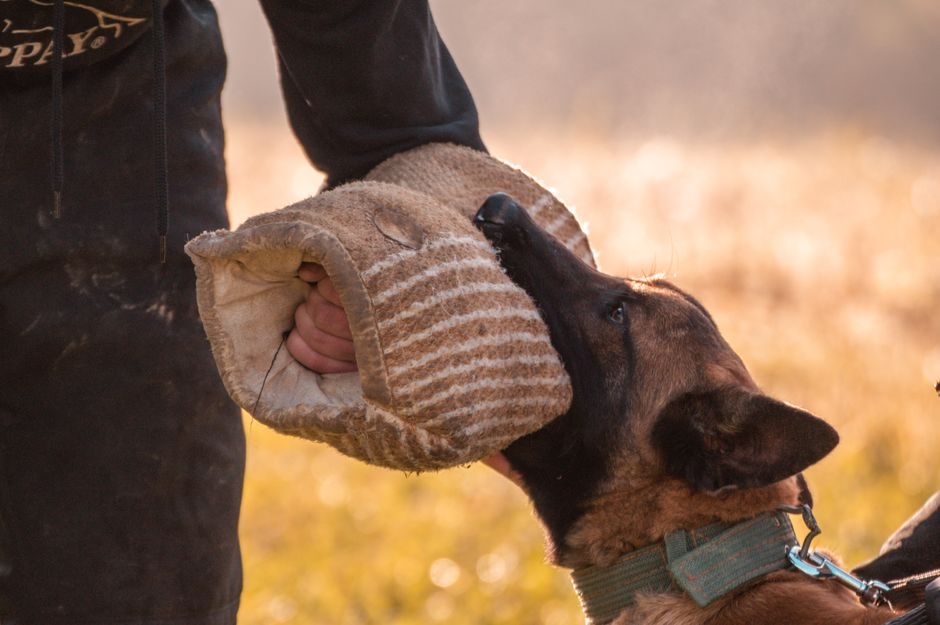
Define your services around the work you can safely deliver, such as puppy foundations, lead skills or one-to-one coaching for everyday behaviour concerns. State who each service suits, what a session includes and when you will recommend veterinary input or another professional. A clear scope helps owners choose appropriately and prevents a general promise to fix every problem.
- Describe the clients and dogs each service suits.
- Put consent, cancellations and record keeping in writing.
- Make public claims that match your actual scope.
Put practical policies in writing before accepting clients. Explain fees, cancellation arrangements, session locations, record keeping, consent for photographs and what happens if a dog becomes distressed. Check the insurance, business registration, tax and animal-related requirements that apply where you operate; rules vary between jurisdictions, so confirm them with relevant local authorities or qualified advisers.
When deciding how owners will discover a new practice, Seo Services can give a broad overview of digital marketing options, while your public information should still focus on the training you genuinely provide. Use a simple website or profile to explain your approach, service area and contact method. Keep claims specific, and avoid guarantees about behaviour or outcomes that depend on each dog's circumstances.
- Describe the services you are qualified to offer.
- Publish policies before taking bookings.
- Check local business and insurance requirements.
- Use precise, evidence-based claims.
Make Booking Straightforward
Make it easy for a prospective client to understand the next step without suggesting that every dog needs the same package. Ask a few relevant questions about the dog's age, household, goals and safety concerns, then explain whether you can help. If the case needs a different professional, say so promptly and, where possible, offer an appropriate referral.
Keep client records secure and useful. Record the owner's goals, relevant history, consent, session observations, agreed exercises and follow-up, then store them in a way that protects private information. Send a short written recap after sessions so the household can practise consistently and understand what to do if the dog struggles.
Build trust through clear communication rather than promises of fast results. Agree on a realistic first goal, such as helping a dog settle behind a gate while visitors arrive, and review progress with the owner. Invite questions between sessions within stated boundaries, and explain when a concern requires a veterinarian or another qualified professional.
Avoid common mistakes when starting out
Resist Quick Fixes
Avoid presenting one method as a solution for every dog, because behaviour is shaped by health, history, environment and learning. A dog that barks at visitors may need distance and gradual training, while another may need a veterinary check before any behaviour plan. Assess the individual situation, explain your reasoning and adjust the plan when the dog's response shows it is not working.
Do not copy an exercise from a video or another trainer without checking whether it fits the dog in front of you. Consider the dog's comfort, the handler's skill, the setting and the consequences if the exercise goes wrong. Before promoting services across several areas, Local Seo Services can explain why accurate profiles and location information matter for genuine staffed locations.
Be cautious about language that blames a dog for being stubborn, dominant or manipulative. Such labels can obscure fear, pain, confusion or a learned response, and may lead owners to use harsher handling. Describe what the dog does, identify likely triggers as hypotheses, and give the owner practical steps that reduce risk while you learn more.
- Do not guarantee a behaviour outcome.
- Do not apply a method without assessing fit.
- Avoid labels that replace observable descriptions.
- Change course when the dog shows distress.
Keep Client Expectations Realistic
Set expectations by explaining that progress depends on practice, context and the dog's welfare, not simply the number of sessions booked. Translate broad goals into observable steps, such as calmly watching a bicycle from a comfortable distance. If progress stalls, review the setup, health factors and difficulty rather than blaming the owner or increasing pressure.
Avoid taking on more cases than you can prepare for, document and follow up responsibly. A crowded diary can leave little time to review history, coordinate referrals or adapt exercises between visits. Leave space for administration and professional consultation, and tell clients honestly when your availability does not match the level of support their case needs.
Ask for informed consent before sharing a client's story, images or training results, even if identifying details seem minor. Explain where material may appear and let the client decline without affecting their service. Keep examples accurate and balanced; a carefully described case can educate future clients without suggesting that one dog's outcome is guaranteed for another.
Keep learning and put each dog's welfare first
Review And Improve
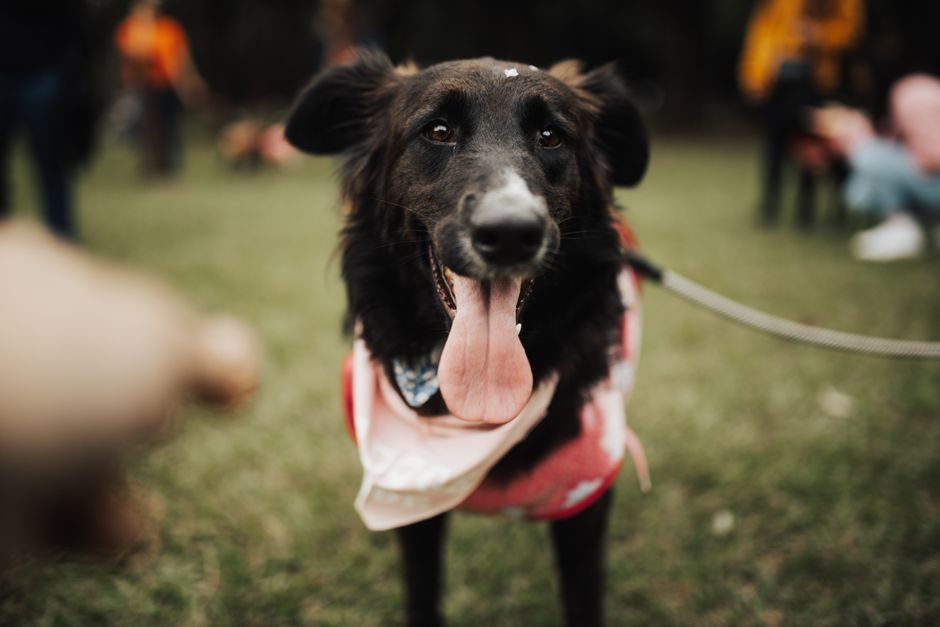
Treat each case as an opportunity to review your decisions, not as proof that a favourite technique always works. After a session, note what changed, what the dog avoided, and whether the owner could practise safely. Discuss difficult cases with a suitable mentor or peer, protecting the client's privacy and staying within any consent they have given.
Continue learning through credible education in canine behaviour, welfare, health and training practice. Compare claims with the quality of their evidence, and be wary of courses that promise expertise after a brief introduction or dismiss veterinary care. Learning should make you more precise about what you know, what remains uncertain and when another professional should be involved.
Use feedback to make the service clearer and safer. If several clients misunderstand an exercise, rewrite the instructions or demonstrate it in smaller steps. If a dog repeatedly shows discomfort during a particular setup, stop and reassess the environment, goals and referral needs instead of expecting the dog to endure it.
- Review notes after each case.
- Seek appropriate supervision for difficult work.
- Check education claims before relying on them.
- Revise instructions when clients find them unclear.
Make Welfare The Measure
Judge a plan by whether it supports the dog's safety and ability to cope, not only by whether a behaviour disappears in front of you. A dog that stops barking after being frightened may still be distressed. Watch for changes in posture, willingness to approach, recovery after a trigger and the owner's ability to maintain the setup safely.
Choose training steps that give the dog room to succeed and allow the handler to respond calmly. Reduce the challenge when the dog cannot take food, disengage or recover, and do not force interaction to meet a timetable. Explain to owners that management, such as using a gate or choosing a quieter walking route, can be a valuable part of a humane plan.
Keep your next step modest and concrete: identify one area of practice, find a qualified mentor or course, and arrange supervised experience before offering services independently. As your skills grow, review your scope and update your policies and referral contacts. A responsible career develops through careful work with real dogs, honest communication and a willingness to keep learning.
Frequently asked questions
Do I need a degree to work as a dog trainer?Requirements depend on where you live and the work you intend to do, and many places do not have one universal route into dog training. A relevant course, supervised experience and ongoing study can help build competence, but a certificate alone does not prove that someone can handle every case. Check local rules, insurance requirements and the expectations of the clients or organisations you hope to serve.
How can I gain experience before taking paying clients?Look for supervised opportunities with a reputable trainer, rescue organisation, shelter or community programme, provided the arrangement protects both dogs and handlers. Ask what tasks you may observe or practise, how feedback is given and who is responsible for safety. Keep reflective notes on what you learn, and do not work beyond your role just to gain experience.
Can I call myself a behaviourist after completing a course?The title and its legal meaning vary by location, so check the rules and professional expectations where you plan to work. A course may introduce useful concepts, but behaviour cases can involve health, safety and complex learning histories. Describe your education and experience accurately, state the work you are competent to offer, and refer cases that require specialist or veterinary input.
What should I do if a client asks for a guaranteed result?Explain that behaviour depends on the dog's health, history, environment and the consistency of safe practice, so a responsible trainer cannot promise a specific outcome. Offer a clear process instead: assess the situation, agree on practical goals, monitor the dog's response and adapt the plan. If the requested work is unsafe or outside your competence, set a boundary and arrange an appropriate referral.
Build a Career Around Responsible Practice
A sustainable career in dog training grows from more than enthusiasm: it needs sound learning, supervised practice, honest assessment and a clear sense of professional limits. Put safety and welfare before a quick result, explain your methods in language owners can use, and bring in veterinary or specialist support when a case calls for it. These habits protect dogs while helping clients understand what good progress looks like.
Choose one practical next step this week: contact a suitable mentor, identify a supervised placement or compare training courses against your goals and local requirements. Keep a record of what you learn and the cases you are ready to handle, then expand your services only as your competence grows. A careful start gives both you and the dogs in your care a stronger foundation.
Add Pet Safety Gear & Accessories for Dogs on the Go as a preferred source on Google


