
How to Find New Local Businesses for Athletes and Fans
A practical guide for sports readers to discover new local businesses in Dublin, with clear steps and useful tips for everyday searches and game-day routines.

Finding new local businesses helps players, coaches, and fans fuel training, recovery, and game-day routines. Start with where athletes already look: nearby gyms, nutrition shops, and support services that keep a season moving smoothly. This guide shows a simple, repeatable way to uncover fresh options without sifting through endless listings.
Next, define your needs before you search. Do you want a new coffee stop after early morning drills, a physio with flexible hours, or a shop that stocks durable training gear? Clarifying this saves time and yields results you’ll actually use.
Finally, treat discovery like a training drill: set a goal (one new place per week), use reliable sources, and evaluate each find by usefulness, reliability, and proximity. Consistency turns a vague curiosity into real, practical options for competition and everyday fitness.
- A clear, practical approach to finding new local businesses near athletic routines.
- Use a step-by-step method to assess, test, and maintain options that support training and recovery.
- Keep a focused short list, verify hours and staff knowledge, and test one new place at a time.
Basics of finding local businesses
What to search first
Begin with what you already need: fueling stations, workout gear, and recovery services near your usual routes to practice or events. Use broad terms and then refine with neighborhood names to narrow results. This keeps your search efficient and relevant to training schedules. find local businesses in Dublin
- Define your needs before you search
- Open maps and search nearby
- Check hours and reviews
- Visit one new place this week
Consider nearby community hubs—libraries, gyms, and sporting clubs—as launch points for discovering new vendors. Local chats and bulletin boards often highlight up-and-coming sources that aren’t yet crowded online. Start with one neighborhood and expand gradually.
Evaluate proximity by walking or short drives, so choosing a new option doesn’t disrupt training. Nearby spots cut commutes and improve consistency, especially during busy weeks. Track a small list of reliable choices to revisit routinely.
- Identify your must-haves (hours, price range, service type)
- Use map filters for distance and reviews
- Save promising options to a short list
- Visit each spot during off-peak times to gauge service
Why reviews matter
Reviews give quick signals about consistency, cleanliness, and staff knowledge. Look for patterns rather than one-off praise or complaints. This helps you pick places that will actually support training cycles.
Balance online notes with in-person impressions: a clean facility is not enough if staff don’t listen to athletes’ needs. Prioritize places that show responsiveness and flexibility.
Trust your own experience: a place with a friendly vibe and practical hours is often the best fit for regular workouts and post-session recovery.
- Scan multiple sources, not just one
- Note response times and flexibility
- Check return or cancellation policies
Strategies to use and grow your list

How to build a reliable list
Start with a core set of trusted spots and gradually add new ones as you try them. Keep notes on service quality, price, and accessibility so you can compare easily over time. A growing list prevents shopping fatigue on busy days. Dublin news
Use a weekly routine to test one new place, then swap it in or out of your rotation depending on your experience. This keeps your options fresh without overwhelming your schedule.
Document practical details like parking, stroller accessibility, or late hours that matter to athletes who travel with gear and teammates.
- Create a short, consistent evaluation form
- Pair new finds with your training calendar
- Label priorities: convenience, price, and service quality
Choosing what to try first
Prioritize options that align with your schedule and training demands. A nearby coffee spot improves post-practice recovery rituals, while a flexible physio can help with minor injuries before they derail a week of training.
Schedule visits during lighter training days to assess service without time pressure. A comfortable, unhurried experience often translates into better long-term relationships with vendors.
Balance cost with value: a slightly pricier shop that saves time and preserves energy can be worth it during a busy season.
- Rank by mission fit (recovery, gear, fueling)
- Test in phases: one new spot each month
- Note hidden costs like parking or membership ties
Potential pitfalls and how to avoid them
Common mistakes to watch for
Rushing to try everything online can lead to regret. Take time to verify accessibility, returns, and real hours. Slow, steady tests prevent wasted trips and money. local events in Dublin this week
Overloading your schedule with new options reduces consistency. Keep a handful of reliable spots and rotate sparingly to maintain rhythm and performance.
Ignoring practical constraints like travel time and equipment needs can ruin even great finds. Always test a spot with your gear and typical route before committing.
- Don’t chase every new opening
- Stick to a short, manageable list
- Test with your normal gear and routine
| Option | Pros | Cons |
|---|---|---|
| Local search apps | Fast results, many options | Quality and relevance vary |
| Neighborhood walk-through | Personal feel, immediate feedback | Time-consuming |
| Referrals from teammates | Trust in peers, practical tips | Limited scope |
How to verify a business quickly
Check hours, especially around practice times and weekends. A spot that aligns with your schedule is more useful than one with impressive features but inconvenient timing.
Look for trained staff or personnel who understand athletic needs. Quick questions about gear, shoes, or recovery methods should be answered confidently.
Test a service once before committing to regular use. A single smooth experience can justify a longer trial.
- Match hours to practice times
- Ask about return policies
- Try a short trial before long-term commitment
Create a weekly reminder to revisit your options, even if you’re not shopping that week.
Tips and tricks to stay consistent

Small daily actions that help
Carry a simple list of nearby options in your gym bag so you can decide on the fly after workouts. Having quick access prevents decision fatigue and keeps training momentum. second-hand items for sale in Dublin
- Keep options local and tested
- Schedule regular rechecks
- Balance cost with convenience
Create a weekly reminder to revisit your options, even if you’re not shopping that week. Small checks prevent stale lists and missed chances.
Ask teammates for recommendations; peer input often surfaces options you might overlook.
- Keep a pocket list
- Set a weekly check-in
- Ask teammates for picks
What to do if a spot isn’t working
Communicate clearly with staff about needs and expectations. If issues persist, consider a graceful pause and re-evaluate later. Sharp, respectful feedback helps vendors improve for everyone.
Rotate out slowly rather than cutting ties abruptly. This preserves good will and keeps options open if schedules shift.
Document outcomes so you can decide wisely when to try again.
- Provide constructive feedback
- Give spots time to adjust
- Keep track of results and re-test later
Maximizing local connections for teams
Building partnerships with gyms and clubs
Teams can expand their local footprint by partnering with nearby gyms and clubs that share a fan base or athlete clientele. Start by listing facilities that host clinics, training camps, or youth programs, then approach managers with a clear value proposition. Propose joint events, sponsorships, or cross-promotions that benefit both sides without adding overhead. place a death notice in Dublin
Identify common calendars and look for opportunities to co-host sessions, charity workouts, or open training days. Leverage these gatherings to meet new athletes, fans, and local media who cover sports. Always follow up with a concrete plan and a simple contact method.
When you secure a partnership, design a lightweight agreement that outlines roles, responsibilities, and a mutual expectation for promotion. Track engagement metrics like sign-ups or discounted visits to demonstrate impact. Keep the program flexible so you can adjust as interest grows or wanes.
- Propose joint events with clear goals
- Offer mutually beneficial promotions
- Track engagement, not just reach
Finding gear and service hubs
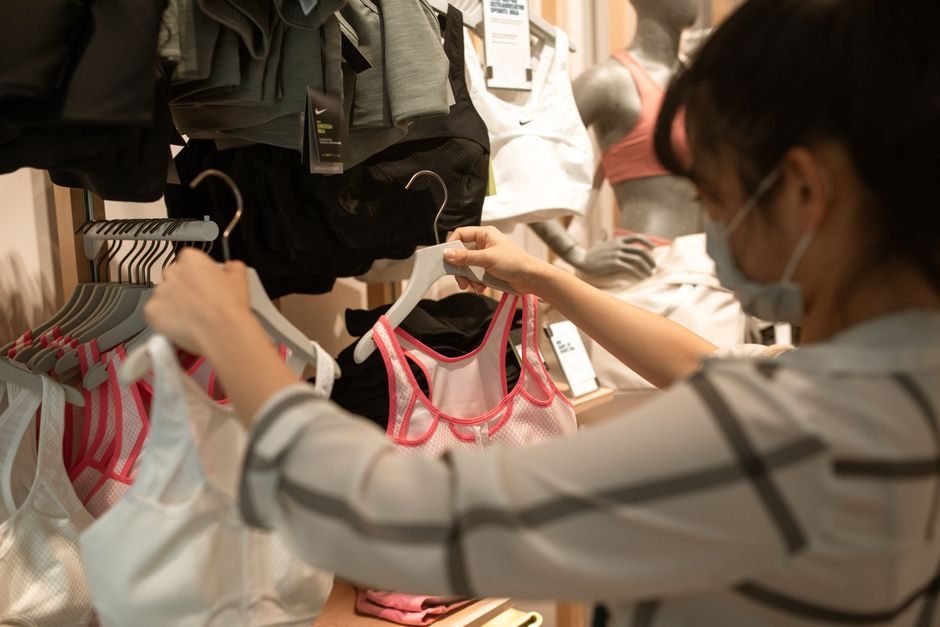
Locate gear shops near practice venues
Athletes need reliable access to gear and services without long detours. Map stores within a short drive of training fields or stadiums, then categorize by specialty—running, strength, recovery. This helps fans and players quickly locate trusted sources.
Contact shop owners about hosting fan days, product demos, or technician clinics before or after training. These events build familiarity and trust, turning routine equipment maintenance into community moments.
Maintain a simple directory with business hours, services offered, and a contact person so players can refer teammates or fans during busy seasons.
- Create a local gear map
- Schedule on-site demos
- Keep a fan-facing directory
Engaging the community beyond the field
Host outreach events and meetups
Community engagement goes beyond game days. Organize casual meetups, charity runs, or open scrimmages that invite local supporters to connect with athletes. These events create natural touchpoints for word-of-mouth recommendations about local businesses.
- Host a weekend meet-and-greet with a charity angle.
- Promote gratitude posts to highlight partners.
- Share a quick recap email with next steps.
Use social channels to promote these gatherings, but keep the tone authentic and community-first. Highlight volunteers, local vendors, and the mutual benefits of participation rather than hard sells.
Document outcomes with simple metrics: attendance, new sign-ups, or community feedback. Let results guide future planning and help you explain value to potential partners.
- Plan informal community activities
- Feature local vendors
- Measure attendance and sentiment
Sustaining a local-first mindset for athletes

Make local support a daily habit
A local-first mindset means choosing partners and services that keep the community thriving. When athletes buy gear, book recovery sessions, or join clinics, they should prefer locally owned businesses with visible community commitments.
Create a routine for scouting new partners at least once a month, using a simple checklist to assess fit and impact. This keeps the network fresh without becoming overwhelming.
Encourage teammates to spread the practice by sharing positive experiences and referrals, reinforcing the network through real examples rather than slogans.
- Set a monthly scouting habit
- Use a simple partner checklist
- Encourage peer referrals
Frequently asked questions
How can I find new local businesses quickly?Start with a simple map of nearby venues and shops that serve athletes, then reach out with a direct, low-friction proposal. Focus on a small, doable event or promotion—something you can execute within a few weeks. Measure response and adjust.
What should I offer local partners in return?Offer clear visibility and mutual benefits: a shared social post, a spot on a community calendar, or a joint event. Provide value that helps partners reach athletes and fans without adding risk or heavy commitment.
How do I avoid over-saturation with promotions?Space out activities and maintain quality control. Choose partners that align with your audience’s interests, and limit events to one per month per venue. Keep communications concise and respectful of members’ time.
Is there a simple way to track impact?Use a basic ledger to note event attendance, sign-ups, and partner referrals. Review after each activity to see what worked and what didn’t, then adjust the plan for the next run.
Next steps for a local-first approach
Take the momentum from these connections and formalize a lightweight partnership calendar that fits your team’s schedule. Start with one or two reliable local partners and build from there, using small, repeatable events.
Make a point of reporting back to the community after each activity, highlighting wins and lessons learned. This keeps fans engaged and partners motivated, setting a standard for ongoing collaboration.
Add Pet Safety Gear & Accessories for Dogs on the Go as a preferred source on Google


