
How to get your event on Eventbrite: a sports-focused checklist
A clear, practical guide for athletes, clubs and fitness groups to get events listed on Eventbrite. Step-by-step, with sports-specific tips and Edinburgh angle.

If you want your event listed on Eventbrite, you need a simple, reliable process that fits a sports calendar. This guide walks you through what to prepare, how to submit, and how to optimize your listing for athletes and fans. You’ll get a practical plan you can reuse for runs, games, clinics, and training camps.
Next, you’ll learn how to tailor your event details for teams, gyms, and community groups. We’ll cover timing, ticketing options, and visibility so your event attracts the right audience. By the end, you’ll know exactly what to do to post a clean, compelling listing.
Finally, we’ll share common pitfalls and smart tweaks so your event stays visible and accessible, even when the schedule is tight. The aim is a straightforward, repeatable workflow you can apply again and again to support athletes and the sports community.
- This guide shows how to prepare and submit a sport-focused Eventbrite listing.
- It explains how to target the right audience and manage ticketing and visibility.
- You’ll see practical examples for a club, gym, or community group.
- Use the steps repeatedly for future events in athletics and fitness.
Basics and setup
Understand Event Details
Begin with the essentials: what, where, when, and who. Include a clear title and a precise location so attendees know exactly where to go. For sports events, list age groups, skill level, and any equipment requirements to prevent confusion. get your event listed in Edinburgh
Warning: Be wary of vague descriptions. A generic title or unclear dates lead to drop-offs and misbookings.
- Clear event name and category
- Accurate date and start time
- Exact venue and directions
- Any eligibility notes
- Refund and accessibility information
Create a clean listing
Use a concise, sport-friendly summary that mentions the main activity and audience. Include a brief schedule if it spans multiple sessions, and note what attendees should bring. Visuals matter: add a simple, action-oriented photo that reflects the event’s energy.
Compare options for ticketing: free vs paid, early-bird vs standard, and any group rates for clubs or schools.
Example: A local 5K run uses a clear title, a precise clock time, a single-word venue name, and a short description focused on training goals.
- Short, specific description
- Sessioned schedule if needed
- Clear ticketing options
- What attendees should bring
- Accessible location notes
How listings reach the right crowd
Targeted visibility
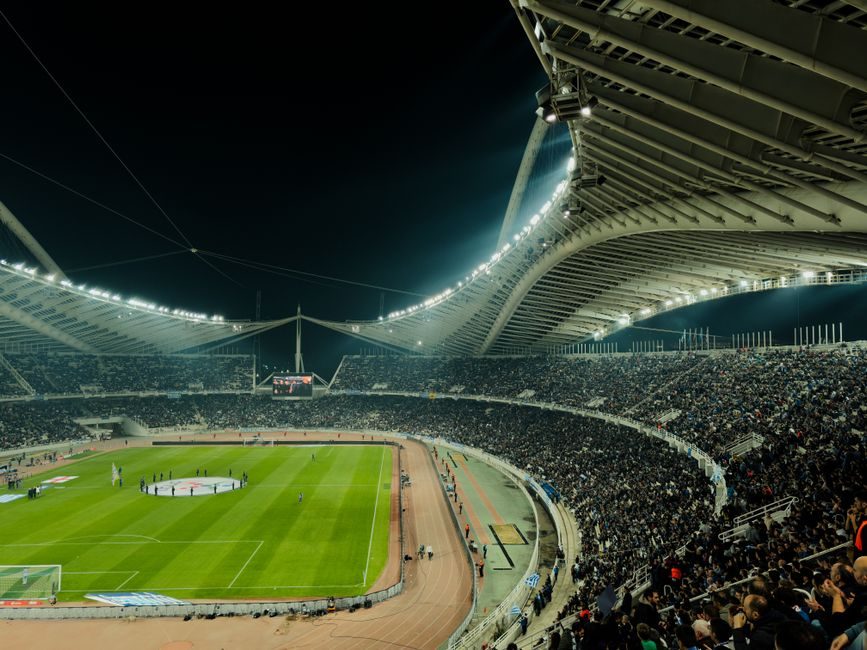
Eventbrite offers basic search and category filters. For sports events, use sport-specific tags like running, training, or fitness class to reach athletes who follow related topics. Pair this with a clear community angle, such as a fundraiser or local club practice. edinburghdaily.uk
Describe who should attend and why they’ll care. A short, benefit-focused sentence helps fans imagine themselves there.
Link tip: Include the exact location phrase in your description to improve local discoverability.
Ticketing and capacity
Set a realistic cap based on venue size and staffing. If you expect fluctuating attendance, offer capped tiers with a waitlist. For youth or amateur events, clarify supervision and safety requirements to reassure guardians.
Plan for day-of issues: check-in flow, QR codes, and staff roles so you can handle a crowded entry smoothly.
- Set capacity and pricing clearly
- Offer waitlists and tiered access
- Prepare check-in and staffing plan
- Clarify safety and supervision requirements
Options to consider
Public listings vs private events
Public listings grow visibility and ticketing can be open to all. Private events work when attendance is controlled—use invitation-only access or password-protected pages. For local clubs, a hybrid model often serves best: some seats public, some reserved for members. Edinburgh business listings
Describe how to manage invitations and member access so the right people get in.
Example: A gym hosts a public boot camp with 20 non-member spots and 10 member-only sessions.
- Public reach vs private access
- Hybrid models for clubs
- Clear access controls
- Member incentives to attend
| Public listing | Private listing | Hybrid approach |
|---|---|---|
| Wide reach, more visibility | Limited audience, controlled access | Balanced exposure with member perks |
| Potentially higher attendance | More friction to join | Best for clubs with venues and schedules |
| Better for promotions | Requires careful access control | Optimal for recurring events |
Free vs paid listings
Free listings reduce upfront cost but may limit features like attendee limits. Paid listings unlock more customization and priority in search results. For recurring events, a paid option can be worth it for sustained visibility and branding within a sports community.
Evaluate whether your event needs more control, faster updates, or richer descriptions to attract serious participants.
- Free listings for trials or small groups
- Paid listings for advanced features
- Balance cost with expected reach
- Choose based on event scale
Warning: Keep your event details up to date if plans change, and update the listing promptly.
Pitfalls to avoid

Common listing errors
Avoid vague titles, missing dates, or incorrect venue details. Inaccurate descriptions force attendees to guess what the event entails. Check all fields for consistency before publishing to prevent last-minute edits that disrupt momentum. post a classified ad in Edinburgh
Explain any age or equipment needs clearly to prevent on-site confusion.
Warning: Keep your event details up to date if plans change, and update the listing promptly.
- Vague titles and times
- Inaccurate venue details
- Missing audience or equipment notes
- Outdated information
Scheduling conflicts
Schedule events with the sports calendar in mind to avoid clashing with league games or major tournaments. If you share venues, coordinate with facility managers to confirm available times. Offering multiple start times can reduce no-shows and increase attendance.
Provide a clear pay/registration flow so fans don’t abandon the process mid-step.
- Check local calendars
- Coordinate with facilities
- Offer flexible times
- Smooth checkout process
Growth and cross-promotion
Leveraging cross-channel shares
Promote your Eventbrite listing within your team’s channels and local groups to maximize visibility before the event. Share consistent details—date, time, location, and a clear call to action—to boost early interest and avoid confusion. Coordinate with coaches and captains to mention it during practices or meetings so fans hear it firsthand. funeral notices in Edinburgh
- Post a short teaser with the key details
- Share a full, informative update with the listing link
- Repost reminders as the date approaches
- Thank contributors and attendees publicly
Build short, punchy posts that guide readers to the listing. Include a link, a compelling reason to attend, and a reminder of any ticket tiers or discounts. Track what messaging works by noting engagement and adjust future posts accordingly.
Engage with local sports communities and alumni networks to broaden reach. Offer a quick incentive, such as a discount code for attendees who register within 24 hours. The goal is steady, authentic promotion rather than one big push.
- Share in-season and off-season channels
- Use consistent event details
- Offer time-limited incentives
- Ask team members to share
Paid boosts and timing
Consider small, targeted boosts on social platforms to reach nearby fans who follow similar sports or teams. Time ads to run in the week leading up to the event and on game days when traffic is highest. A focused effort can yield more clicks than broad, generic advertising.
Set a clear goal for each promotion—ticket sales, registrations, or awareness—and monitor performance. If you see low engagement, shorten the message, tighten the call to action, or adjust the image to better reflect the event’s energy.
Avoid wasting budget on broad audiences; stay local where possibilities are strongest. Align boosts with other communications like a practice note or a post-game recap to reinforce the message.
- Target local fans
- Run during peak interest periods
- Adjust creative based on results
- Coordinate with team updates
Analytics and metrics
What to track for events
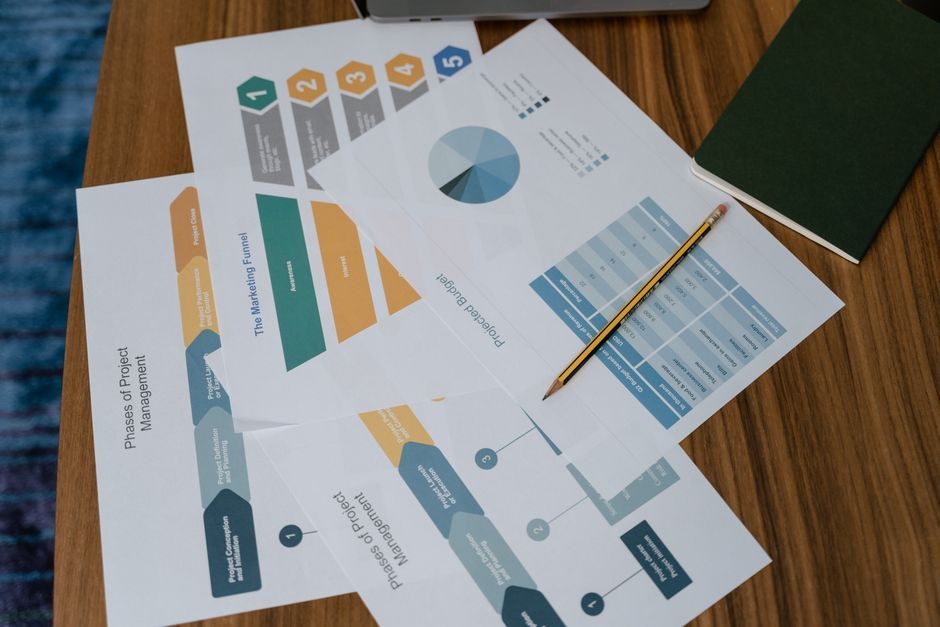
Track page views, clicks, and ticket conversions to gauge interest and actual registrations. Compare early listings with later updates to see which details move people to act. Use this data to refine your event description and visuals over time.
Monitor traffic sources to know whether your audience comes from social posts, emails, or partner sites. Understanding the funnel helps you adjust promotion and timing. Data should inform tweaks, not dictate every choice.
Record attendee counts and no-show estimates to anticipate capacity needs and space planning. Use past trends to forecast demand, but be ready to adapt if last-minute changes occur.
- Views, clicks, conversions
- Traffic sources
- Attendance estimates
- Seasonal patterns
Keep a visual on engagement with images and videos that perform well. A clear, vibrant photo of the venue, athletes in action, or the sport itself helps convert readers into attendees. Regularly refresh visuals to keep the listing looking current and energetic.
Use a spreadsheet or simple dashboard to collate metrics from Eventbrite and any social analytics you rely on. The goal is an at-a-glance view of what works and what needs tweaking.
Local partnerships and venues
Partner with gyms and clubs
Reach nearby gyms, recreation centers, and club teams to cross-promote the event. Offer a mutual benefit, such as allowing a display or perk in exchange for listing placement. Local partners can extend your reach beyond your current audience.
- Name two local partners
- Agree on a mutual promo step
- Share assets and timelines
- Confirm day-of coordination
Provide ready-to-share assets—copy, images, and a brief elevator pitch—so partners can promote confidently. A simple one-pager with the event’s purpose and how fans register makes collaboration smoother.
Coordinate with venue staff to ensure the listing matches on-site signage and day-of communications. A consistent message reduces confusion and helps attendees find the location quickly.
- Approach local clubs
- Offer mutual benefits
- Provide ready assets
- Coordinate on-site messaging
Venues that fit the sport
Choose venues with clear sightlines, accessible entrances, and enough space for spectators. The right setting boosts attendance and the perceived value of the event. When possible, pick venues that athletes are familiar with to reduce travel stress.
Coordinate accessibility options, including ramps, seating accommodations, and parking information. A smooth arrival experience matters as much as the game itself and can affect willingness to participate.
If appropriate, set up a small on-site info desk for last-minute registrations and questions. An efficient check-in process frees up time for warmups and game action.
- Right size and sightlines
- Familiar facilities
- Accessible features
- On-site support
Legal and accessibility

Compliance basics
Ensure event details are accurate and non-deceptive to protect both organizers and attendees. A truthful description helps prevent disputes and builds trust with participants. Review venue rules and local regulations to stay compliant and avoid delays.
- Ensure truthful listings
- Know venue rules
- Provide accessibility details
- Offer a contact for accommodations
Keep age ratings and eligibility clear to prevent confusion at the gate. If your event involves minors, confirm consent and supervision requirements ahead of time.
Prepare a simple accessibility statement outlining available accommodations. Providing contact information for accessibility needs reduces last-minute issues.
- Accurate descriptions
- Clear age and eligibility
- Accessibility statement
- Contacts for needs
Provide a transparent cancellation and refund policy and make it easy to understand. Clear policies protect both sides and can reduce disputes if plans change. Know how Eventbrite handles refunds and communicate expectations to attendees.
Respect data privacy by collecting only what you need and safeguarding it. Avoid asking for unnecessary personal information and store it securely.
Make accessibility a default, not an afterthought. Use alt text for images, provide captions, and ensure the event page is navigable with a keyboard.
Frequently asked questions
What should I include in the event description for a sports audience?The description should be concise, focus on the game or activity, and highlight practical details like date, location, entry process, and any required gear. Include what attendees will gain and how to prepare.
How do I set up ticket tiers and discounts without confusion?Use simple tiers with clear price points and benefits. Describe what each tier includes, limit the number of tickets per tier if needed, and test the checkout flow to ensure it works smoothly.
What are the best practices for photos and videos on the listing?Use action shots of players and crowds, with high resolution and natural lighting. Include a short video if possible, but keep the file size reasonable and ensure you have permission to share any media.
What if I need to change the event details later?Update the listing promptly and alert attendees with a brief note. Show updated information in the description and keep a transparent changelog so readers know what changed.
Conclusion
Takeaways and next steps are clear: a well-structured listing supports turnout, partnerships, and a smooth fan experience. The next step is to implement two local collaborations and begin a small promotion test.
Finish with a practical plan: finalize the event page, coordinate promotions, and monitor results after launch. This approach keeps momentum and continually improves future events.
Add Pet Safety Gear & Accessories for Dogs on the Go as a preferred source on Google


