
How to promote your business on Instagram for athletes
A practical, sports-focused guide to promote your business on Instagram. Step-by-step basics, clear examples, and pitfalls for teams, gyms, and coaches.

A clear answer to how to promote your business on Instagram starts with a simple plan: define your audience, share useful content, and engage consistently. This guide translates those habits into steps you can apply to a sports-first business, whether you run a gym, a coaching service, or a team brand. You’ll learn concrete actions, not buzzwords, engineered for real-world results.
Consider your goals in concrete terms: are you aiming to grow ticket sales, boost memberships, or attract sponsors? Instagram works best when your posts align with team routines, training cycles, and local events. The key is consistency, quality visuals, and timely interaction with fans and partners.
Finally, expect to mix content types—short clips, coaching tips, and behind-the-scenes posts—to keep your feed dynamic. You’ll need a posting rhythm, a rough content calendar, and a method to measure what resonates. This approach keeps you competitive without losing focus on your core audience.
- Define a clear audience and goal before posting.
- Mix content types to keep the feed lively and useful.
- Engage locally and partner with nearby clubs for broader reach.
- Use a balanced content mix and light paid boosts to grow responsibly.
Clarify the audience
Start by naming who you want to reach: local fans, potential members, or sponsors. Use plain language to describe their needs and interests. This clarity makes every post easier to plan and measure. promote your business in Birkenhead
- Define who you serve and what they want
- Note where they spend time on Instagram
- Create a simple posting rule linked to interests
Identify the actions you want from them, such as visiting your gym or signing up for a trial. Match content to those actions with clear visuals and captions. A well-defined audience guides tone, timing, and topic choices.
Track your early posts for what touches your audience—comments, saves, or shares—and adjust quickly. Avoid broad messages that don’t offer a clear value or call to action.
- Define one primary audience
- Describe their needs
- Decide the action you want
Choose a simple goal
Set one practical goal you can measure in a few weeks, like increasing profile visits or signups. Clear goals prevent scattered efforts. Tie this goal to a visible weekly metric, such as post saves or profile clicks.
Establish a minimum viable content mix that supports the goal: training clips, match highlights, and community posts. A balanced mix keeps your feed relevant and dynamic.
Revisit the goal after a set period to decide if you should push more aggressively or adjust the target. Avoid changing direction too often, which confuses followers.
- Set one KPI
- Use a weekly metric
- Adjust with intent
Show useful training content
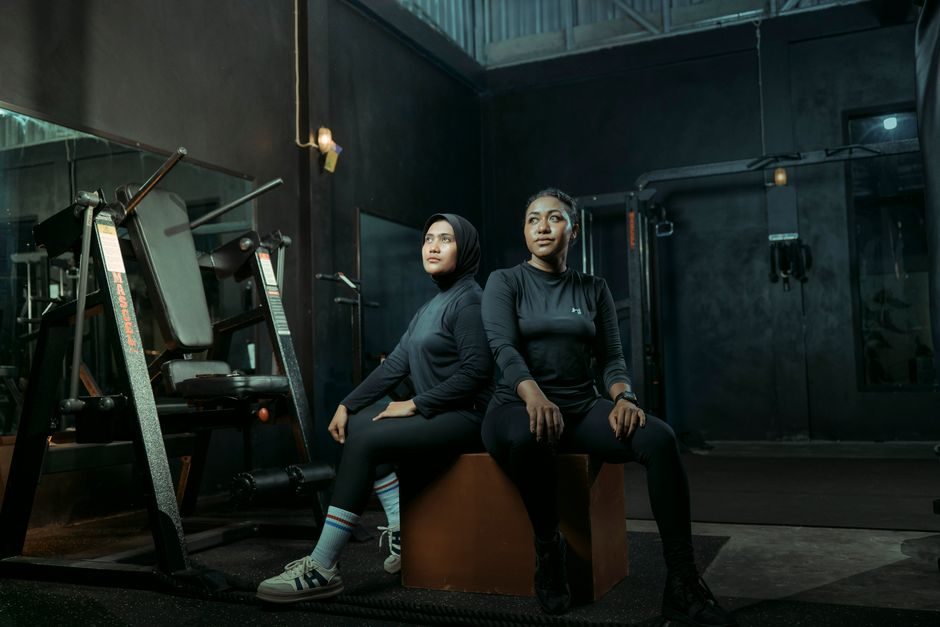
Post practical coaching tips, drills, and recovery ideas that athletes can apply. Use short captions that summarize the benefit and a quick step to try. Birkenhead Mail headlines
- Post drills with quick steps
- Show progress with before/after clips
- Explain techniques in simple terms
Capture progress stories from real sessions, focusing on effort and technique rather than only outcomes. This builds credibility and engagement.
Keep visuals clear: good lighting, steady framing, and text overlays to explain technique. Durable formats travel well in feeds and stories.
- Share drills with steps
- Highlight recovery tips
- Use clean visuals
Engage with the local scene
Comment on local game results, announce practice times, and promote small events. Engagement should feel helpful, not intrusive. This builds trust with fans who live near your venue or team.
Create partnerships with nearby gyms, schools, and clubs. Shared posts or co-hosted events expand exposure without heavy ad spend.
Use location tags and local hashtags to reach nearby audiences. Local relevance compounds reach over time.
- Comment on local results
- Co-host events
- Tag locations and teams
Stories, Reels, and posts balance
Reserve your main message for a feed post, but use stories and Reels for more casual or timely content. Each format reaches audiences differently and at different times of day. list your event in Birkenhead
Draft a weekly mix: 2 feed posts, 3–4 stories, and 1 Reel. This cadence keeps your profile active without overwhelming followers.
Test short clips, tips, and quick interviews to see what your audience wants more of. Iterate based on engagement signals like views and saves.
- Feed posts
- Stories and Reels
- Experiment and iterate
| Option | Pros | Cons |
|---|---|---|
| Feed posts | Longer message, evergreen | Tends to get buried |
| Stories/Reels | Higher reach, quick impact | Ephemeral by default |
| Paid boosts | Targeted reach | Costs add up quickly |
Paid options with care
Consider tiny budgets for boosted posts that highlight a local event or successful training clip. Target narrowly by location and interest to maximize impact. Use boosts sparingly to avoid appearing pushy.
Track the outcomes of paid posts with simple metrics: reach, saves, and click-throughs to your site or sign-up form. Optimize based on what works.
Keep ads authentic by showing real routines and honest testimonials from athletes or coaches involved with your club.
- Boost selectively
- Track basic metrics
- Maintain authenticity
Pair demonstrations with on-screen text that emphasizes technique details and measurable goals.
Interactive storytelling and reels

Engage followers with short reels that highlight training milestones or game-day rituals. Demonstrate progress with quick before-and-after clips and captions that explain the training rationale. Use calls to action that invite comments on techniques or injuries you’ve overcome. local job listings in Birkenhead
- Produce a 20-second reel showing a training drill, with on-screen steps and a closing tip for viewers to try at home.
- Include a simple caption that explains the drill and invites questions.
- End with a question to encourage comments and shares.
Show, don’t just tell. Pair demonstrations with on-screen text that emphasizes technique details and measurable goals. Keep clips under 30 seconds to maintain attention, and end with a direct question to spark conversation.
Consider collaborations with coaches or teammates to broaden reach. Feature a day-in-the-life sequence from practice to recovery, creating a narrative that fans can follow week by week.
- Post consistently to build rhythm
- Use captions to add context
- Tag teammates and training partners
Partner with gyms and clubs
Reach local gyms, studios, and clubs to cross-promote. Offer exclusive discounts to members and share success stories from athletes who train there. This builds reciprocal visibility without heavy ad spend. place a death notice in Birkenhead
- ☐ Establish a joint posts calendar with a local facility
- ☐ Create a simple cross-promo offer
- ☐ Share member success stories
- ☐ Host a one-day training clinic
Provide value through co-branded content, such as workout plans or printable guides. Keep branding subtle while highlighting the athletic outcomes.
Coordinate events like clinics or limited-time challenges to drive both online engagement and foot traffic.
Planning with a season rhythm

Build a content calendar that mirrors your season: training phases, competitions, recovery windows. This keeps your feed cohesive and predictable for followers who track your progress.
Mix post types to maintain interest: instructional clips, motivational captions, and behind-the-scenes moments from travel or practice. Consistency beats the occasional viral hit when your audience knows what to expect.
Use recurring themes like “Technique Tuesday” or “Recovery Friday” to create anticipation and routine for your viewers.
- Set a posting cadence
- Plan varied formats
- Align posts with training cycles
Metrics that matter and budgeting
Track engagement rate, saves, and comments to gauge resonance with athletes and fans. Use this data to refine captions and video length. Avoid chasing vanity metrics; prioritize meaningful interactions.
Pilot small ads only after you have a baseline of content that consistently performs, then test limited budgets to see if paid reach translates to profile visits and message inquiries.
Be wary of overposting promotional content and long ads. Balance promotional posts with informative or inspirational material that earned interactions first.
- Monitor per-post performance
- Test, not burn through budget
- Maintain value-first posts
Frequently asked questions
Can Instagram help an athlete attract sponsors or opportunities?Yes. A focused, consistent presence that highlights training progress, results, and audience engagement can make an athlete more attractive to sponsors. Show reliability, professionalism, and a track record of engagement. Track which posts attract sponsor inquiries and tailor content around those themes.
What should I avoid posting to protect my image?Avoid sharing overly personal information or controversial takes that could alienate potential partners. Maintain a professional tone in captions and comments, and keep endorsements transparent when you partner with brands or teams.
How do I balance training with content creation?Block time for content creation as part of your training plan. Batch-shoot, edit, and schedule posts on a light calendar. Use simple templates for captions to reduce daily workload while staying consistent.
Are hashtags still effective for reach?Hashtags can help reach specific athletic communities, but the most effective approach combines niche hashtags with high-quality, relevant content and strong engagement prompts. Avoid overloading captions with hashtags and prioritize phrases athletes search for.
Conclusion
The right Instagram strategy for athletes blends training insight with storytelling. By documenting progress, sharing technique, and inviting fan engagement, you create a magnetic profile that supports athletic goals and community growth.
Start with a two-week content plan focused on consistency, then extend it with collaborations and local partnerships to widen reach without overreliance on paid ads.
Add Pet Safety Gear & Accessories for Dogs on the Go as a preferred source on Google


