
Latest US News vs Iran War: What Athletes Need to Know
A clear guide for sports readers on tracking geopolitical tensions and how they affect teams, travel, schedules, and athlete safety without hype.

For sports fans, knowing what’s happening in US-Iran tensions helps you understand travel plans, game schedules, and athlete safety. This guide explains how geopolitical headlines can influence teams, leagues, and events, without dwelling on drama. You’ll learn practical ways to follow updates relevant to games, transport, and team readiness.
Geopolitical shifts can change tournament timelines, player travel, and venue availability. We’ll show you how to filter noise and focus on concrete implications for schedules, security, and preparation. The goal is to give you tools to stay informed so you can plan ahead and react calmly when restrictions or delays appear.
You’ll find a practical path through basics, decision points, and options, all tailored for readers who balance sport, training, and travel. This approach keeps you prepared, not overwhelmed, with clear steps you can take before the next match.
- This guide helps sports readers understand how geopolitical headlines can affect teams and events. It focuses on practical steps to monitor updates, plan travel, and adjust schedules without hype. You’ll learn where to trust information and how to act calmly when plans change.
- The key is to separate noise from actionable details: reliable notices, verified outlets, and team communications. Prepare backups for travel, practice, and accommodations to stay ready for delays or venue changes.
- With clear systems for updates, you can protect schedules, safeguard players, and keep fans informed without distraction. This approach emphasizes practical decisions over speculation.
Basics of tracking global headlines
What matters for teams
Start with the most relevant signals: travel advisories, airspace changes, and security at venues. These affect flight plans, hotel bookings, and warmups. Expect occasional disruptions, but plan buffers and backup routes. A useful resource on this topic: latest US news news.
Consider how a potential conflict could shape schedules or broadcast windows. If a game is near a hotspot, leagues may adjust kickoff times or add security measures. Always check official league notices for changes that impact travel itineraries.
Be mindful of information flow: official updates, credible outlets, and team communications. Cross-check a couple of sources before acting on a rumor that could affect equipment, practice times, or locker room access.
- Check travel advisories early in the week
- Coordinate with team staff on alternate routes
- Monitor venue security notices
- Confirm gate access and medical staff availability
- Record any schedule changes in your planning
Where to get reliable updates
Rely on official league channels for game notices and security instructions. These sources often publish alerts that directly impact travel and venue access. You’ll save time by prioritizing them over third-party speculation.
Supplement with trusted national outlets that explain the potential effects on teams and schedules without sensationalism. Focus on corroborated facts, not opinion.
Create a simple dashboard or bookmark routine so you can quickly check for new advisories before morning workouts or flights.
- Official league notices
- Credible national reporting
- Coach and operations communications
- Venue safety announcements
- Flight and hotel confirmations
How news can affect game plans
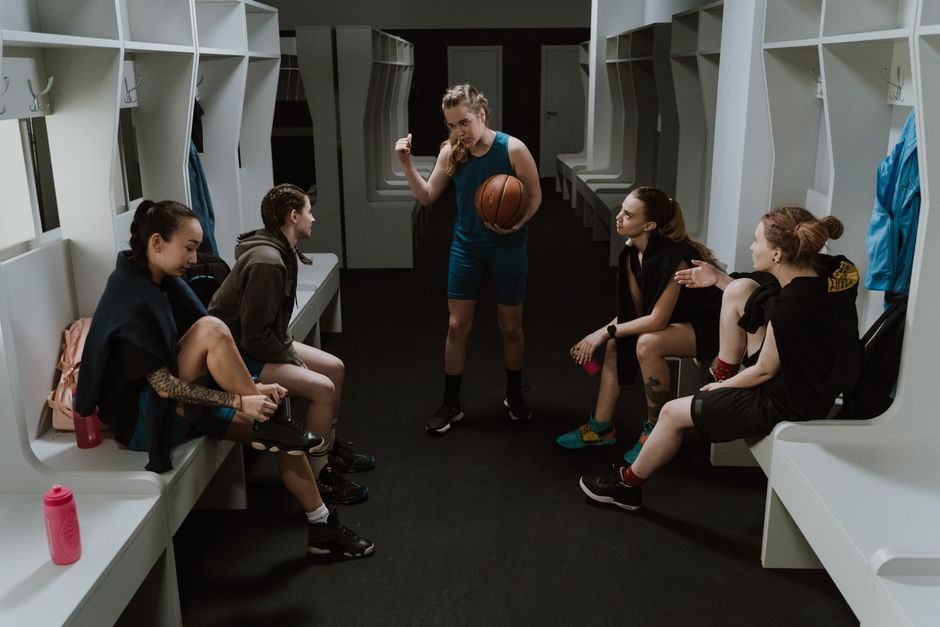
Impact on travel and practice
News events can prompt detours, late arrivals, or limited practice time. Coaches plan around windows for warmups, field access, and equipment checks. Always have a backup practice field and a revised XI or lineup ready. A useful resource on this topic: add an event to the USA events calendar.
Teams often adjust travel routes to avoid delays; fans should expect longer transit times or altered gate procedures. If a game is moved, ticketing and shuttle services may shift accordingly.
Athletes should be briefed on personal safety plans and come prepared with emergency contacts and essential gear.
- Backup practice slots
- Redundant travel routes
- Updated arrival windows
- Emergency contact list
- Cleared media access rules
Communication hurdles
Misinformation can spread quickly during crises. Rely on verified team messages to avoid conflicting instructions about attendance or gate access. If you hear a confusing report, wait for a decisive update before reacting.
Media training helps staff convey risk without provoking panic. Simple, direct language reduces confusion for players and fans.
Establish a quick check-in routine so players, staff, and media know where to find reliable guidance during a disruption.
- Verified team statements
- Clear risk messaging
- Rapid check-ins
- Central information hub
- Avoiding rumor chains
Options for staying prepared
Travel contingencies
When travel is uncertain, map two viable routes and confirm airline policies on rebooking. Keep digital copies of passports, visas, and health documents accessible. You’ll move faster through checkpoints and avoid last-minute stress. A useful resource on this topic: register your company in the USA.
Preview alternate accommodations near the venue in case of delays, and arrange flexible room blocks with cancellation windows.
Coordinate with the team’s travel manager to understand when officials require changes or rebooking.
- Two travel routes
- Flexible hotel bookings
- Document backups
- Airport lounge access
- Travel insurance basics
| Option | Pros | Cons |
|---|---|---|
| Two travel routes | Increases resilience | Requires extra planning and time |
| Flexible hotel blocks | More adaptability | Higher risk of cancellation fees |
| Backup roster planning | Keeps games on track | Needs accurate communication |
Rosters and schedules
Team rosters may shift if flights are affected or venues adjust timelines. Coaches will select players who are available for travel on revised dates and adjust training loads accordingly. Monitor last-minute practice changes and adapt readiness plans.
Fans should track lineup announcements and any broadcast changes tied to schedule shifts. This reduces frustration and helps you plan viewing around disruptions.
Establish a quick fact sheet with current roster statuses and travel notes for staff and media.
- Roster stability
- Rest vs load management
- Schedule-aware viewing
- Fact sheet for staff
- Broadcast adjustments
Actual fandom thrives on focused energy; misrepresenting a country or individual can spill into toxic online spaces and affect athletes’ off-field lives.
Ethical considerations for fans
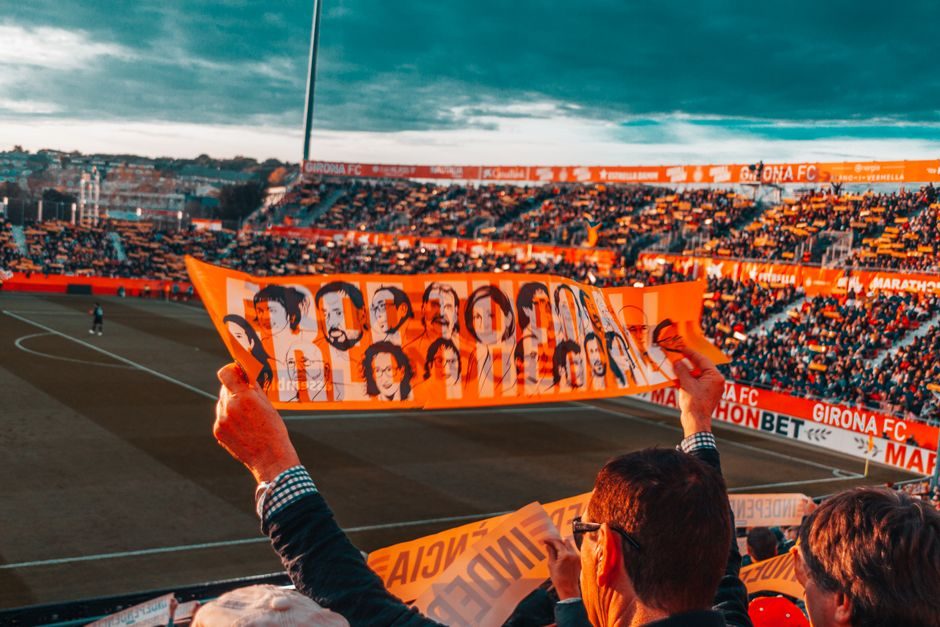
Respect for athletes and teams
Fans should hold broadcasts and coverage to high standards, avoiding personal attacks or misinformation. When geopolitical topics intersect with sport, focus on fair play, respectful dialogue, and avoiding sensationalism that harms players. Use thoughtful language during broadcasts or posts to protect the mental well-being of competitors. A useful resource on this topic: USA classified ads.
- Provide context around geopolitical topics when discussing teams or athletes.
- Avoid attributing actions to a country or group without clear evidence.
Actual fandom thrives on focused energy; misrepresenting a country or individual can spill into toxic online spaces and affect athletes’ off-field lives. Seek reliable sources for context and verify claims before sharing. The aim is informed passion, not rumor-driven drama.
- Hold commentators to accuracy
- Verify claims before sharing
- Avoid stereotyping
- Respect cultural differences
- Prioritize player welfare
Impact on team morale
Geopolitical news can shift locker-room dynamics if athletes or staff react publicly. Teams may emphasize routines, travel safety, or mental health support to maintain focus. Fans should recognize these pressures and avoid piling on players who navigate complex issues.
Leaders at clubs often centralize information to keep players grounded, and readers can benefit from understanding these coordinated responses. When coverage touches international events, note how staff mitigate distractions and keep training aligned with goals.
- Track official team briefings
- Differentiate opinion from fact
- Support constructive discussion
- Avoid aggressive online behavior
- Acknowledge mental health needs
Sports betting and geopolitics
Understanding how geopolitics influences odds
Markets react to geopolitical signals, but odds on sports remain rooted in performance data. Viewers should distinguish between political commentary and game analysis. Base expectations on team form, injuries, and strategy rather than headlines. obituaries in the USA
Sportsbooks adjust lines to reflect broader risk, yet the core bets still hinge on in-game factors. Track multiple outlets to compare lines and avoid chasing moves based on sensational news.
- Separate news from numbers
- Monitor line movements
- Look for consensus among reputable outlets
- Avoid chasing hype
Travel logistics and safety
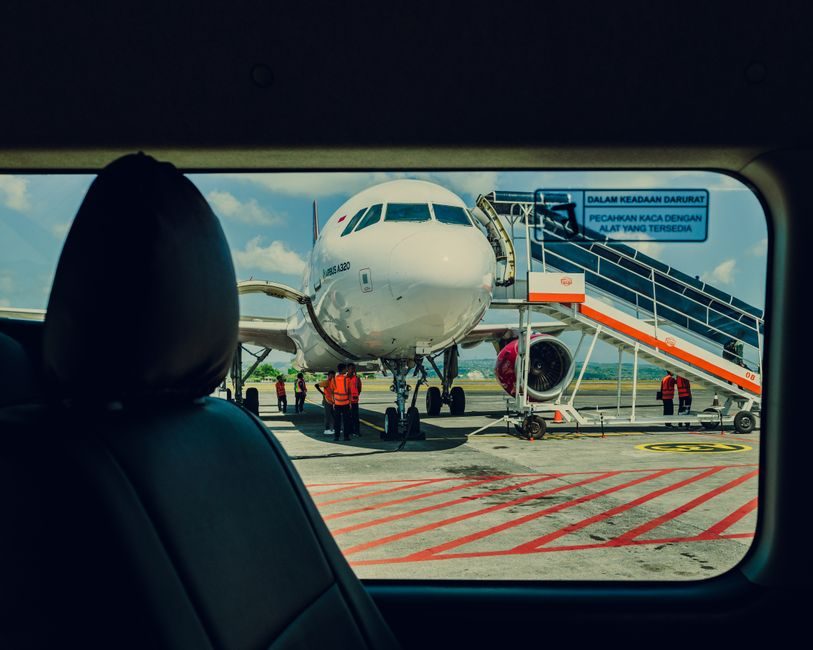
Planning safer travel routines
Teams and fans must plan travel with contingency options for delays or safety scares. Maintain clear contact chains, carry essential documents, and have alternative routes or transportation ready. Simple practices reduce risk when headlines change suddenly.
Season planners emphasize redundancy: backup flights, local hotels, and flexible schedules. Fans can apply similar methods to trips to away games or events.
- Have backups for key legs
- Keep digital copies of IDs
- Know local emergency contacts
- Prepare for weather and transit disruptions
- Coordinate with organizers for real-time updates
Crisis communication strategies
Responding to a breaking event
When a geopolitical incident breaks, teams typically share concise, accurate updates and avoid speculation. Prepare a single message that acknowledges concern, outlines steps, and commits to further information. This reduces rumor spirals and protects players' focus.
Communicators should balance transparency with sensitivity, especially if families or staff are affected. Provide clear timelines for updates and avoid language that could escalate tensions.
- Issue a timely statement
- Offer ongoing updates
- Limit speculation
- Protect player privacy
- Direct readers to trusted sources
Frequently asked questions
Where should I look for reliable updates on geopolitical sports topics?Start with official team, league, and event pages, then corroborate with established sports news outlets. Look for statements, press conferences, and posted guidelines. This approach minimizes misinterpretation and keeps you informed with verified facts.
Do geopolitical events affect game schedules or broadcasts?Geopolitical events can impact schedules or access, and teams typically communicate changes promptly. Have flexible plans for travel or viewing and rely on official notices rather than social media chatter. Planning around official updates reduces stress.
Is it appropriate to discuss politics at stadiums or events?Discussions can be constructive if they are respectful and focused on safety or performance. Avoid personal attacks or broad stereotypes, and steer conversations toward how teams prepare for competition. If it heats up, shift to sport-specific topics.
How can I stay calm when headlines are unsettling?Limit exposure to sensational clips, focus on credible reporting, and keep a short, preplanned routine for verification before sharing. Talk with teammates or friends about performance insights rather than political analysis to stay grounded.
Closing observations and next steps
Athletes and fans benefit from disciplined information habits that separate fact from speculation. By relying on trusted sources and verifying claims, you preserve focus on training, recovery, and competition.
Build a routine: pick one reliable source, set a brief daily check, and share only confirmed updates. This keeps discussions respectful and grounded in performance context.
Add Pet Safety Gear & Accessories for Dogs on the Go as a preferred source on Google


