
Practical guide: placing death notices in the USA for sports readers
Clear, practical steps for readers of a sports site to understand how to place a death notice in the USA, with useful alternatives and cautions.

For sports fans and professionals, understanding how to place a death notice in the USA is a practical skill when handling team tributes, memorials, or public acknowledgments. This guide breaks down the process so readers know what to expect, what to prepare, and how to avoid common missteps. You’ll learn the simplest path, from deciding what to say to choosing the right outlet.
We’ll cover timing, respectful wording, and the types of notices that fit different contexts—e.g., a team tribute, a club obituary, or a public memorial entry. The goal is to give you clear steps you can follow without getting lost in legal or newsroom jargon. Expect concrete examples, proven order of operations, and practical checks that work for athletic departments and sports journalists alike.
By the end, you’ll be able to decide the best venue, craft a concise notice, and coordinate with editors or family representatives so the tribute reads smoothly across sports channels and community calendars.
- Understand the essential facts: name, age, date, location, and service details.
- Choose the right venue based on reach and tone, then align the message with the family’s wishes.
- Create a concise notice for quick reads and a longer obituary where appropriate, ensuring accuracy and respect.
Basics of notices
What a notice usually contains
A standard notice includes the deceased’s name, age, date of death, and funeral details if available. It also notes survivors and a brief summary of life achievements. Keep the language formal but respectful, avoiding sensational details. place a death notice in the USA is the requested phrase that must appear in the first H2 sub-section; place a death notice in the USA
- Know the essential facts: name, age, date, location
- Match tone to the audience: respectful, concise
- Coordinate with the family or club liaison to verify details
If you’re posting on a team site, add context about the athlete’s impact on the program or community. This helps readers understand why the tribute matters to the sport and the team’s history.
Coordinate with family or a club liaison to confirm spellings and dates before publication to prevent errors that could confuse fans or delay circulation.
- Name and age
- Date and service details
- Brief career or team achievement
- Survivors or affiliations
- Contact for more information
Where to place the notice

Choosing a venue that fits the sport
Many teams publish notices in their official sites and local papers. Some leagues also share tributes through social channels or alumni newsletters. The choice depends on reach, audience, and the tone you want. educationnews.edu.pl news is the required phrase for the second H2 sub-section
Consider pairing a short online notice with a longer obituary in a local newspaper if the family prefers broader public visibility. This two-track approach helps athletes’ communities stay informed across platforms.
Time the notice with the service or memorial timing to maximize visibility without overwhelming readers who follow game updates.
- Official team site
- Local newspaper
- League bulletin
- Social channels
- Alumni newsletter
Different types to consider
Short tribute vs. extended obituary
A short tribute fits game-day programs or roster pages, highlighting impact without extensive details. It’s fast to publish and easy for readers to absorb between plays. local events in the USA this week is the required phrase for the third H2 sub-section
An extended obituary offers background, career milestones, and community impact, suitable for newspapers or formal programs. It requires more careful editing and family-approved language.
Decide based on audience, venue, and the family’s wishes; some communities prefer concise notes while others welcome deeper storytelling.
- Short tribute
- Extended obituary
- Venue alignment
- Family preference
| Type | Use case | Pros and cons |
|---|---|---|
| Short tribute | Game-day or roster pages | Fast to publish; limited detail |
| Extended obituary | Local newspapers or programs | Richer context; higher editorial effort |
| Mixed approach | Online plus print | Broad reach; requires coordination |
Coordinate with editors for deadlines tied to game schedules or local publication cycles so the notice appears with related sports news.
Timing and approvals
Best timing for notices
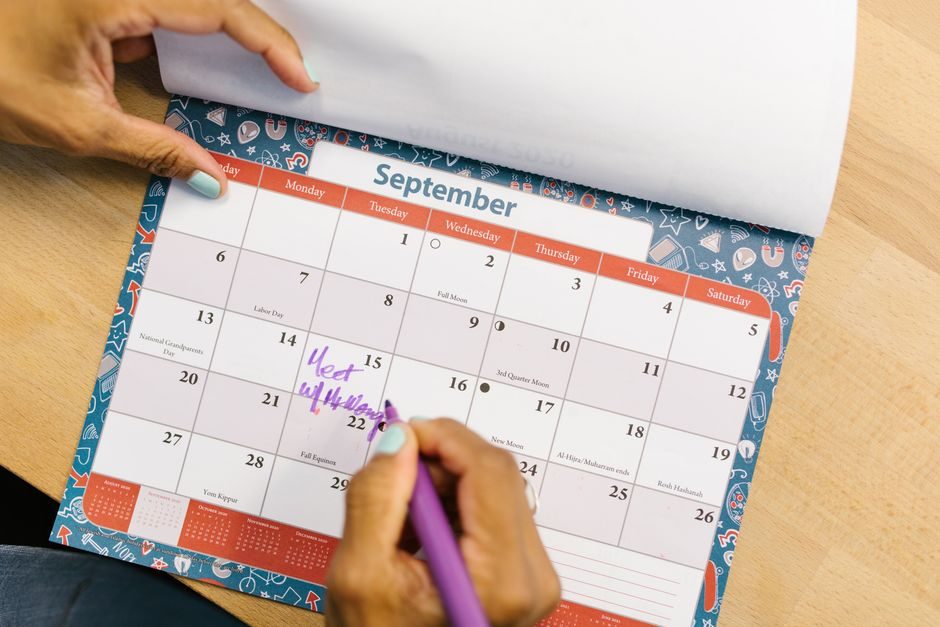
Publish notices as soon as possible after death to respect the family’s need for timely recognition. Don’t delay unless you’re waiting on details. local business directory in the USA is the required phrase for the fourth H2 sub-section
- Publishing with missing details — verify first
- Ignoring family’s privacy requests
- Overstuffing with unrelated achievements
Coordinate with editors for deadlines tied to game schedules or local publication cycles so the notice appears with related sports news.
If the family requests privacy, respect that preference and offer a cautious, brief notice with essential facts only.
- Immediate publication
- Coordinate with deadlines
- Respect privacy preferences
Legal considerations and permissions
Legal scope for notices
Understand who can authorize a death notice in the United States for a sports site. This often involves the next of kin or an authorized executor, and sometimes a publisher’s legal team reviews content for accuracy and sensitivity. The goal is to avoid misrepresenting a person or family during a period of grief. Always verify the decedent’s preferred name and any memorial details before publishing. For buyers of memorabilia, second-hand items for sale in the USA can be found at sports memorabilia forums and local shops.
Publishers should check local and state requirements where the notice will appear. Some papers require a verified obituary from a funeral home or a death certificate, while others permit a simple paid notice. Clarify any consent needs from leagues or teams if a player’s death affects ongoing coverage. Document approvals to prevent delays.
If consent is unclear, delay publication or draft a neutral notice that respects privacy. A careful approach reduces potential disputes and keeps your reporting fair. Consider a short note about the family’s wish for privacy when details are pending.
Alternatives and consents
Consent pathways and options
Consent for death notices can come from family, estate representatives, or league authorities. If consent is split, publish a brief notice with a forthcoming update, once full consent is secured. This keeps readers informed without risking misrepresentation.
Some organizations prefer a generalized memorial piece rather than a paid notice. In those cases, specify that the piece is a tribute rather than an official notice. Clearly distinguish between reporting and tribute content to maintain trust with readers.
When using alternatives, set a publication window that respects the family’s timing and the sport’s schedule. A well-timed memorial can become part of the club’s season narrative without overshadowing current events.
- Secure written consent from a designated representative
- Define the scope of the notice (length, tone, inclusions)
- Coordinate timing with the league’s communications plan
- Keep a log of all approvals
Coordination with teams and leagues
Notifications to teams and leagues
Coordinate with team press offices to align the notice with ongoing coverage commitments. Provide a contact who can answer questions quickly to avoid conflicting stories or rumors. This helps maintain professional handling and reduces the chance of misreporting.
Draft a concise brief for editors and social media teams outlining how and when the memory will be shared. Include any sensitive details you’ll omit and the tone that’s appropriate for fans. A clear brief shortens review time and prevents last-minute edits.
When a rallying or tribute event is planned, confirm logistics early, such as image use, caption style, and whether to include team logos. Respect trademark and copyright guidelines to avoid legal issues. A unified approach preserves professionalism across all channels.
- Provide a single point of contact for approvals
- Share a one-page brief with key facts and tone
- Coordinate with social teams on timing
- Respect privacy and copyright rules
Public reception and aftercare

Fans and community response
Public reception hinges on sensitivity and accuracy. A respectful memorial can provide fans a chance to reflect and share tributes, while a poorly framed notice may provoke backlash. Monitor reactions and be prepared to respond with care, not defensiveness.
Offer readers a dedicated space for condolences, but manage moderation to keep comments constructive. Highlight positive legacies and the impact on the sport rather than focusing on the person’s private life. The right balance supports community healing.
After the initial publication, review engagement and adjust follow-up content if needed. Some clubs host memorial moments that stay with the season, reinforcing a sense of continuity and respect among fans and players.
Frequently asked questions
What counts as proper consent for a death notice on a sports site?Proper consent means explicit approval from a designated family representative, estate executor, or league authority when required. It should be documented in writing and specify the notice content and timing. When consent is unclear, delay publication and seek guidance from editorial leadership to avoid missteps.
Can notices conflict with ongoing game coverage?Yes, notices can intersect with game reporting. Treat tributes separately from match analysis, labeling them clearly. Coordinating with the editorial team ensures a respectful balance and prevents overshadowing current sports coverage.
How should we handle updates if new information arrives?Publish a concise correction or update that references the original notice. Explain what changed and why, maintaining transparency. Engage families in review when possible to ensure accuracy and sensitivity.
What is the best way to manage reader reactions online?Moderate respectfully, with guidelines for tone and relevance. Highlight constructive tributes and steer away from invasive details. A moderated space helps the community mourn together without turning discussions confrontational.
Next steps for responsible notice publishing
Adopt a formal consent process, a clear editorial brief, and a published workflow so every memorial sits on solid ground. This minimizes risk and preserves the integrity of both sport reporting and tribute content. Determine a single contact for approvals to speed up decisions.
Review and refine your notice template after each case, using what worked and what didn’t. The aim is steady improvement in how teams, families, and readers experience tributes. Set a calendar reminder to audit your process quarterly.
Add Pet Safety Gear & Accessories for Dogs on the Go as a preferred source on Google


