
Sell second-hand sports gear smartly in the USA: buyer’s guide
A clear, practical guide for athletes and fans to buy, sell, and recycle gear in the USA, with comparison, pitfalls, and tips for safe transactions.

If you want to clear out old equipment without losing value, you need a practical plan. This guide explains how to assess gear, pick the right marketplace, and shadow-proof your sale so you get fair value. You’ll learn a few concrete steps you can take today to move gear quickly and safely.
For athletes chasing a smarter route to gear, the approach is simple: know your item, choose a trusted channel, and document the sale. The reader will see how to evaluate condition, price fairly, and protect personal information. Expect actionable checks and real-world examples you can apply next time you post.
This half of the guide covers basics and a solid method for comparing options, while setting up practical steps to avoid common mistakes. You’ll move from identifying gear worth selling to listing strategies that bring credible buyers. Let’s build a fast, reliable routine you can repeat for every sale.
- Know your item and its value. Choose the right marketplace and write clear, honest descriptions. Protect yourself with proper payment and shipping methods.
- Price fairly by researching similar items and including genuine specs. Use photos that capture wear and performance.
- Prioritize safety and credibility: authenticate when possible, document tests, and outline clear shipping or pickup terms.
- Plan for repeat sales by building a routine: inspect, price, describe, and ship or meet efficiently.
Basics of selling second-hand sports gear
Assessing condition honestly
Start with a careful inspection of the item, noting wear, damage, and any missing parts. Mention flaws clearly to set realistic expectations for buyers. This transparency helps you build trust and avoids post-sale disputes. L1: sell second-hand items in the USA is a practical step when you want to declutter without losing value.
A simple checklist speeds up the process: test functionality, note sizing, and photograph key angles. Use close-ups for scuffs and tears to avoid misrepresentation. Clear records support smooth negotiations.
Additionally, compare your item’s condition to similar listings to gauge fair pricing. If a feature is rare or in high demand, explain why that adds value rather than overstate it.
- Inspect for wear and function
- Photograph flaws clearly
- Price to reflect condition
- Describe sizing and usage
- Answer buyer questions quickly
Choosing where to sell
Different marketplaces attract different buyers and fees; select the one that matches your item and timeline. Local clubs or gym communities can yield fast, low-friction exchanges for smaller items. Larger platforms broaden reach but may require better photos and descriptions.
Consider timing and convenience: which platform lets you verify buyers easily, handle payments securely, and ship or meet safely? A mismatch between item and venue often slows sales.
Finally, think about return policies and buyer protection. A straightforward, well-defined listing reduces back-and-forth and builds credibility.
- Local clubs or gyms for quick sells
- National marketplaces for broad reach
- Consider fees and seller protections
- Plan for shipping or pickup
How to price and describe items

Fair pricing strategies
Research comparable listings to anchor your price, then adjust for condition and scarcity. Start a touch below top-market items to attract early buyers while leaving room for negotiation. A realistic price speeds a sale and reduces lingering inventory. L2: Crime News X offers a model for how buyers verify listings and report issues, a reminder to keep records.
Demonstrate value with specifics: model, year, size, and any upgrades. If you’ve upgraded components, spell out the impact on performance. Buyers appreciate clarity over optimism.
Always outline return expectations and shipping terms in the description to avoid post-sale friction. A tidy policy helps buyers feel secure about the purchase.
- Anchor with market comps
- Note condition and upgrades
- Set clear shipping/return terms
- Offer negotiation boundaries
Writing compelling descriptions
Lead with what matters to buyers: sport, size, and intended use. A concise opening statement helps skimmable listings. Then provide detailed specs, condition notes, and any accessories.
Use measured, precise language rather than hype. Include measurements, photos, and whether parts are included. Well-structured text reduces questions and speeds decisions.
Close with a call to action and next steps: how to contact you, preferred payment method, and pickup or shipping arrangements. Clarity minimizes back-and-forth.
- Lead with core use and size
- Be precise with specs
- Provide clear next steps
- Include photos and measurements
What buyers want to know
Safety and authenticity
Buyers look for safe handling and genuine items. Include serial numbers if applicable, confirm authenticity, and note any repairs. Transparent documentation reduces doubt and protects both sides. L3: advertise your event in the USA should align with local sports calendars and community venues to maximize reach.
Explain how you tested gear or ensured it’s ready for use. If warranties or manufacturer support exist, mention them to reassure buyers.
Be proactive about red flags: explain if items show heavy wear or potential safety concerns, and offer a remedy such as partial refunds or replacement parts.
- Provide serial or model numbers
- State test results or checks
- Flag any safety concerns
- Offer reasonable remedies
| Option | Pros | Cons |
|---|---|---|
| Local listings | Fast, easy handoffs | Limited reach and protection |
| Online marketplaces | Broader audience | Fees and competition |
| Social media groups | Direct communication | Less formal safeguards |
Shipping, pickup, and timing
Define how the item will travel: local pickup, parcel, or courier. Each option has trade-offs between speed, cost, and risk. Choose methods that balance convenience with buyer protection.
Bundle orders when possible to save on time and fees, but avoid overloading one shipment. Communicate deadlines clearly to manage expectations.
Document the process: shipping labels, tracking numbers, and receipt of payment. Clear records prevent disputes if a shipment goes missing or arrives late.
- Offer local pickup or shipping
- Set realistic timelines
- Track and document deliveries
- Communicate openly throughout
Carefully time your listings to match peak buying periods like back-to-school seasons or playoff runs.
Options for selling your gear
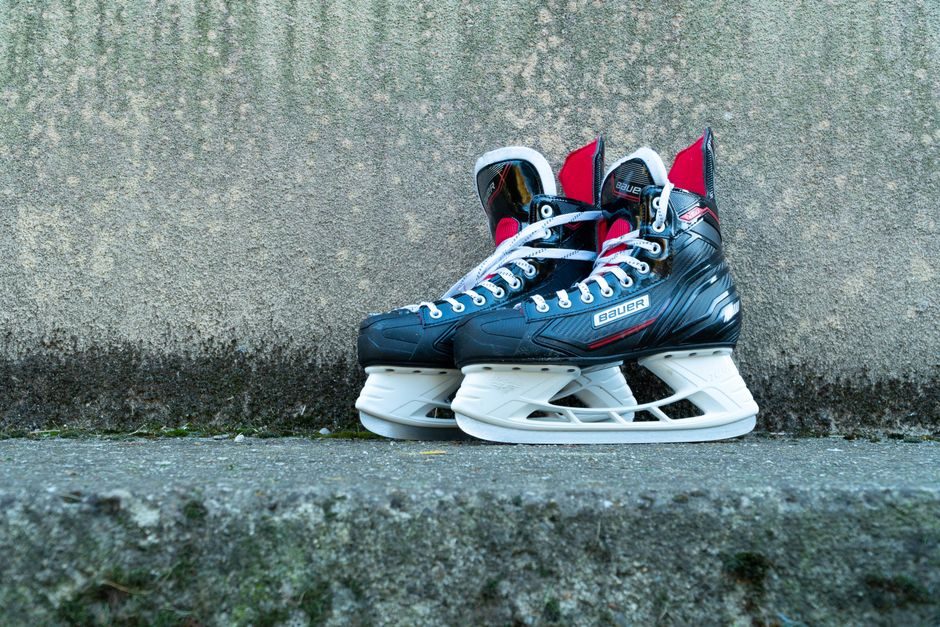
Where to sell: online marketplaces
Start with familiar platforms that athletes already use, then expand to niche sites for gear. Compare listing fees, seller protections, and audience size before choosing a channel. Posting clear photos and honest condition notes reduces back-and-forth and speeds up sales. L4: business directory in the USA can help you discover trusted shops and services for gear trades and repairs.
Carefully time your listings to match peak buying periods like back-to-school seasons or playoff runs. Use multiple photos showing wear and any flaws, and add a sizing chart if applicable. A well-worded description can help buyers feel confident and avoid questions.
Keep your records tidy: save receipts, note original prices, and document any modifications. This helps establish value when negotiating. If a tool or item is popular, highlight its features that distinguish it from generic versions.
- Choose one primary platform to test first
- Use multiple high-quality photos
- Describe damage or wear accurately
- Offer bundle discounts when appropriate
- Set clear return policies
Pitfalls to avoid
Hidden flaws buyers miss
Some issues aren’t obvious in photos and can surprise buyers during inspection. Always disclose repairs, replacements, and performance limitations to maintain trust. This prevents negative feedback and costly returns. announce a death in the USA is a delicate phrase that should be used with care in any listing when a user prefaces a sale with sensitive news
Photographs are crucial here; show close-ups of seams, zippers, and logos. A short video demonstrating function can reduce questions and set expectations.
Avoid overediting or misrepresenting condition, which damages credibility and legal risk if items are misrepresented.
- Misleading condition claims lead to refunds or disputes
- Overpricing due to optimism hurts long-term sales
- Ignoring platform safety features invites trouble
- Failing to ship promptly harms seller reputation
- Ignoring cleaning and presentation lowers perceived value
Tips for quick, safe sales

Speed up listings and safety checks
Draft a standard listing template that covers size, measurements, and wear. Auto-fill fields for consistency and speed. Quick, accurate listings reduce buyer questions and speed up transactions.
Vet buyers through verified profiles and clear communication. Use tracked shipping and secure payment methods to protect both sides. Confirm address details before sending items.
Keep a calm, professional tone in all exchanges; prompt responses build trust and help close deals faster.
- Use a consistent photo setup
- Offer local pickup where feasible
- Require secure payment before shipment
- Confirm all item details before posting
Sustainable selling habits
Long-term gear lifecycle
Think in cycles rather than one-off sales. Regularly audit your gear bag for items you no longer use and decide whether to donate, trade, or sell. This keeps your resale pile manageable and greener.
If you recycle or donate, document the impact; buyers appreciate items with a longer lifecycle and reduced waste. Consider repair or refurbishment when practical and cost-effective.
Track your selling patterns to spot which items move fastest and at what prices, then adjust your future asks accordingly.
Frequently asked questions
How should I photograph sports gear for best results?Take clear, bright photos from multiple angles. Show the front, back, and any flaws in close-up shots. Include a scale for size when relevant and a short video demonstrating function if possible.
Is it better to sell locally or online?Local sales reduce shipping costs and can speed up turnover, but online marketplaces reach a larger audience. Use a hybrid approach: post online and offer local pickup when safe and convenient.
How do you handle returns on second-hand items?Set a clear return policy before listing. Offer a reasonable window for returns and document item condition at shipping to resolve disputes quickly.
What counts as a quick sale in sports gear?A quick sale happens when the item reaches a buyer within days rather than weeks, aided by accurate pricing, good photos, and prompt communication.
Conclusion
Takeaway: clear, honest listings shorten the sales cycle and protect you both. Prepare photos, measurements, and a truthful description before you post. The next step is to pick the best marketplace and list quickly.
Takeaway: build a sustainable habit around recirculating gear. Regular audits, repairs when sensible, and mindful donations extend the gear’s life and support your local community.
Add Pet Safety Gear & Accessories for Dogs on the Go as a preferred source on Google


