
Why online obituaries matter for sport readers and teams
Explore how online obituaries in the USA matter to athletes, teams, and fans; practical reasons, pitfalls, and how to use the resource wisely for sports communi

For readers who live in the arena and on the track, understanding online obituaries in the USA is about respect, context, and timely information. This explainer shows how obituaries can affect team rosters, athlete wellness, and community support. You’ll learn practical steps to use this resource responsibly and efficiently.
Obituaries aren’t just notices; they can shape narratives around sports figures, coaching staff, and local leagues. We’ll cover what to look for, how to verify details, and when a notice becomes relevant to training schedules, memorials, or eligibility discussions.
Finally, we outline reliable ways to find, read, and apply obituary information without getting overwhelmed. The goal is to give readers a clear path to meaningful, respectful use that supports athletes and clubs.
- Obituaries in the USA can impact sports communities by providing context and respecting legacy.
- Verify facts across official sources before using them in coverage or discussions.
- Use obituaries to highlight mentorship, community ties, and charitable work within teams.
- Keep sharing careful, verified information that supports players and fans without sensationalism.
Basics and relevance
What obituaries convey
Obituaries provide more than dates; they outline a person’s impact, career milestones, and community ties. In sports, that context can influence how a club honors a legacy or supports a team after a loss. Start by noting verified facts and the scope of the notice. online obituaries in the USA are a useful reference for teams planning memorials and acknowledging athletes’ legacies.
Obituaries often recur in community outlets, school pages, and league newsletters. Look for consistency across sources to avoid rumor. The aim is to understand a figure’s role and significance to the local sports world.
Be mindful of privacy and sensitivity; treat each notice with respect and corporate or team guidelines in mind. Avoid sensational details and focus on verifiable elements that matter to audiences.
- Look for official sources (teams, leagues, or funeral homes)
- Check dates and positions held within the sport
- Note community roles like coaching, mentoring, or youth programs
- Verify through multiple independent sources
- Respect privacy when details are personal or sensitive
How to read quickly and verify

Reading for facts
When you skim an obituary, prioritize names, dates, teams, and notable achievements. Cross-check with club histories or league records to confirm accuracy. This saves time for readers who follow many teams. Education NV headlines helps you spot broader context when a sport relates to education and youth programs.
Look for consistency in spelling and titles across sources, and be wary of rumors tied to unofficial posts. If a detail seems off, seek corroboration before sharing with peers or fans.
Develop a routine: compare three independent sources and ignore anonymous social posts that lack verification. This keeps coverage precise and fair.
- Identify official source links or citations
- Record key dates and affiliations
- Note any corrections or updates from primary outlets
- Discard unverified rumors immediately
- Share only after confirmation
Where to find reliable notices
Trusted sources
Use official channels such as team pages, league communications, and funeral home notices as primary sources. They provide stable, testable facts useful for timelines and memorials in sports communities. USA events calendar can help you align memorials or tributes with games, tournaments, and league schedules.
- A regional coach is listed in a school obituary and on the league site within 24 hours.
- A university athlete’s obituary appears in the campus paper and is later confirmed by the athletic department.
Local newspapers and school district announcements can supplement, especially for regional players or coaches with deep community ties. Prioritize sources with direct attribution and dates.
Avoid relying on ambiguous social posts; they can spread misinformation quickly. Build a small, trusted list of sources you regularly check to keep coverage accurate and respectful.
- Create a short list of 3-5 trusted sources
- Check each source for attribution and dates
- Note any corrections issued by the source
- Record where the obituary appeared first
- Use official channels to confirm details before publishing
| Source type | Reliability | Best use |
|---|---|---|
| Team page | High | Timeline of events and affiliations |
| League announcements | Medium | Official notices and dates |
| Local newspaper | Medium-High | Context and community ties |
When referencing an obituary in a team context, connect it to legacy, mentorship, or charitable efforts tied to the person.
Ethics and practical use

Ethical use
Obituaries carry emotional weight; reporting or noting them should honor the person and the community. Frame any mention to support players, families, and fans, not to sensationalize the loss. promote your business in the USA can appear in community notices where teams share sponsorships and local support.
When referencing an obituary in a team context, connect it to legacy, mentorship, or charitable efforts tied to the person. This keeps coverage constructive.
If in doubt, defer to editors or a designated contact for guidance on how a notice should be handled in coverage.
- Avoid posting speculative insights about cause of death
- Respect privacy boundaries and family wishes
- Use obituaries to highlight positive contributions
- Coordinate with team communications before public notes
- Provide updates only as facts can be confirmed
Ethics in reporting obituaries
Responsible sourcing practices
When a sports team receives news of a death, reporters should verify details with multiple independent sources before publishing any obituary notes. The aim is accuracy, not speed, because misinformation harms families and the team’s public image. Journalists should respect the privacy of grieving individuals and avoid sensational framing that could exploit sorrow for clicks. buy and sell in the USA
Cross-checking information helps prevent rumors from shaping team narratives. In practice, this means confirming dates, spellings, and affiliations with official records or statements from the family or team management. If uncertainty remains, a cautious approach that prioritizes truth over immediacy protects credibility.
Editors should implement a clear policy that distinguishes obituary notices from rumors or fan speculation. This policy includes how to handle corrections and updates as new information becomes available. Transparent corrections build trust with readers and teams alike.
- Verify with at least two independent sources
- Document date, location, and relation to the person
- Avoid speculation or unverified quotes
- Carefully consider the tone of the obituary
Community impact on teams
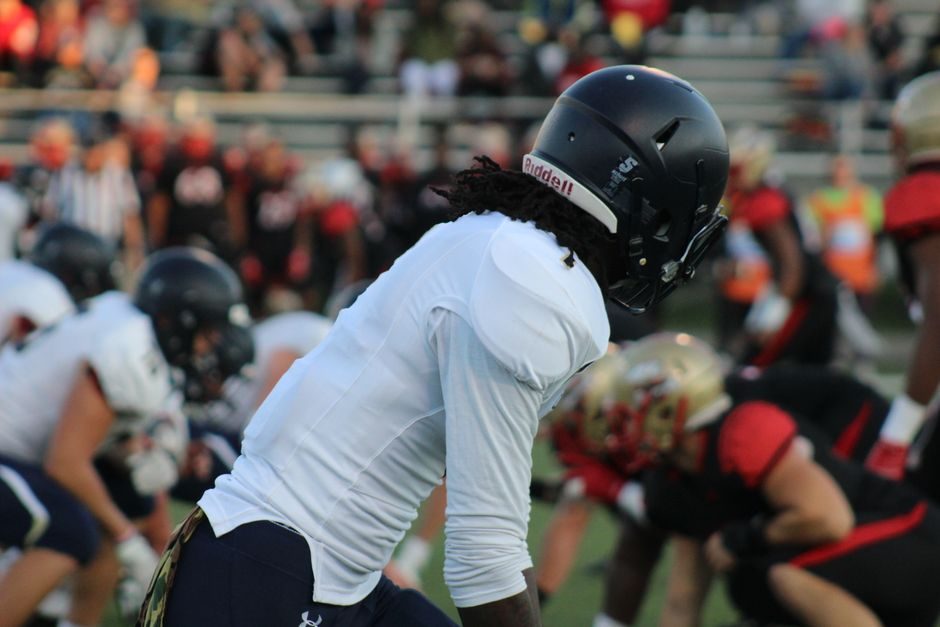
Stories that bind fans and clubs
Obituaries in sports often prompt a collective moment that binds a franchise and its fans. When a former athlete or beloved staff member passes, it can renew the sense of history surrounding a team. Journalists should frame these moments as part of a larger narrative about community and legacy.
Teams frequently honor alumni by sharing memories or posting tributes during games, which can affect attendance, engagement, and morale. Reporters should note how tributes influence post-game discussions and fan reactions without reducing the loss to a single highlight.
The goal is to show resilience and continuity, not to dwell on tragedy. By connecting past achievements with present performance, the coverage reinforces the club’s identity and its ongoing commitment to everyone connected to the sport.
- Explain how obituaries affect fan sentiment
- Highlight club traditions tied to remembrance
- Avoid turning mourning into entertainment
- Show the human side behind the team ethos
Integrating obituaries into game-day narratives
crafting timely tributes on match day
Game-day coverage can weave obituaries into pre-game rituals, halftime features, or post-match reflections without overshadowing the sport. Use concise tributes that acknowledge the person’s connection to the team and their impact on the sport. This balance keeps the focus on athletic performance while honoring memory.
When a player or staff member connected to a team passes, consider a brief live update or a post-game note that respects the family’s privacy and the audience’s interest. The best tributes are factual, not sensational, and they provide context for those who may be unfamiliar with the individual.
Include archival photos or short quotes from teammates who intersected with the deceased, if publicly available and appropriate. This approach enriches the narrative while maintaining dignity and relevance to the game and its fans.
- Integrate a concise tribute into pre-game or post-game content
- Use context that ties the obituary to the team’s history
- Provide space for readers to reflect or respond
- Respect privacy and avoid invasive details
Balancing speed with accuracy

timely reporting without haste
Speed matters in sports journalism, but accuracy must come first when reporting obituaries. Create a workflow that prioritizes confirmation over immediacy, using checklists to prevent rushed mistakes. Readers trust a careful approach even when news breaks during a fast game day.
Develop templates for obituary notices that can be updated as verified details arrive, reducing the risk of misreporting. This practice helps reporters deliver timely information while preserving credibility and respect for the deceased and their family.
When information is scarce, publish a holding notice that clearly states what is known and what remains unverified. Follow up with a corrected, fuller account as soon as official confirmation is obtained.
- Use pre-approved templates for obituaries
- Publish only verified facts and note uncertainties
- Follow up with corrections promptly
- Coordinate with the team and PR for accurate details
Frequently asked questions
What qualifies as a noteworthy death within a sports context?A notable passing typically involves a former player, coach, staff member, or someone closely connected to the team’s history. It should be treated with respect and linked to the team’s narrative when appropriate.
How should a publication handle unconfirmed details?Use a cautious approach that notes what is known and what remains unverified. Do not publish speculative information and seek confirmation from official sources before updating the obituary.
What role do teams play in reporting obituaries?Teams provide accuracy through official statements, and journalists should corroborate those statements. The aim is to honor memory while preserving the integrity of the sport’s coverage.
How can readers respond or engage with memorial coverage?Offer readers a space to share memories or condolences in a controlled, respectful way. Respect privacy guidelines and avoid encouraging personal information about the deceased’s family.
Conclusion: Memorial coverage as part of ongoing sports storytelling
Memorial coverage fits into sports storytelling when it respects memory and contributes to the larger history of a team. It should be timely, accurate, and linked to the club’s values and community work. This approach keeps sports reporting honest and meaningful.
The next step for readers is to look for a centralized obituary page on trusted outlets and to understand how teams honor their members beyond obituaries. Fans gain a clearer sense of a team’s culture and its commitments to people, both past and present.
This kind of reporting helps keep the sport’s memory alive while preserving the competitive focus that drives athletics forward. By balancing speed with verification, writers protect the integrity of both memory and game-day storytelling.
Add Pet Safety Gear & Accessories for Dogs on the Go as a preferred source on Google


