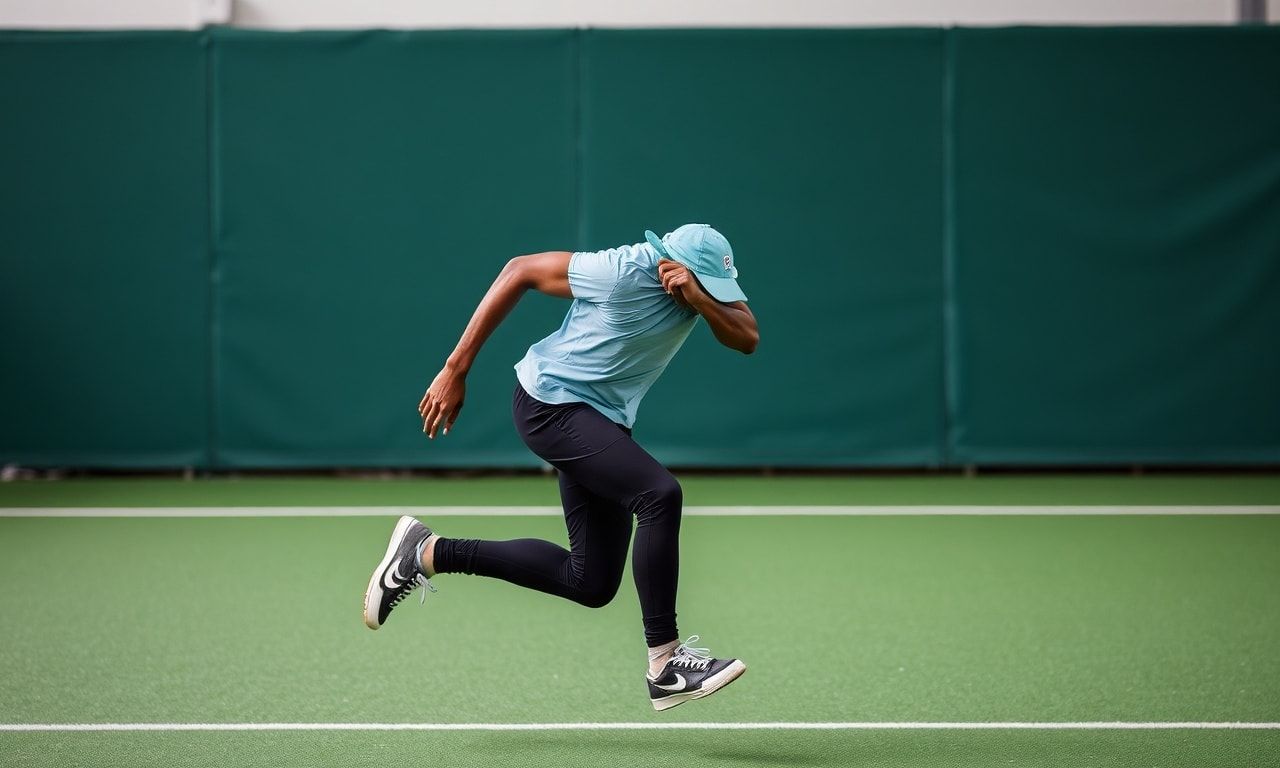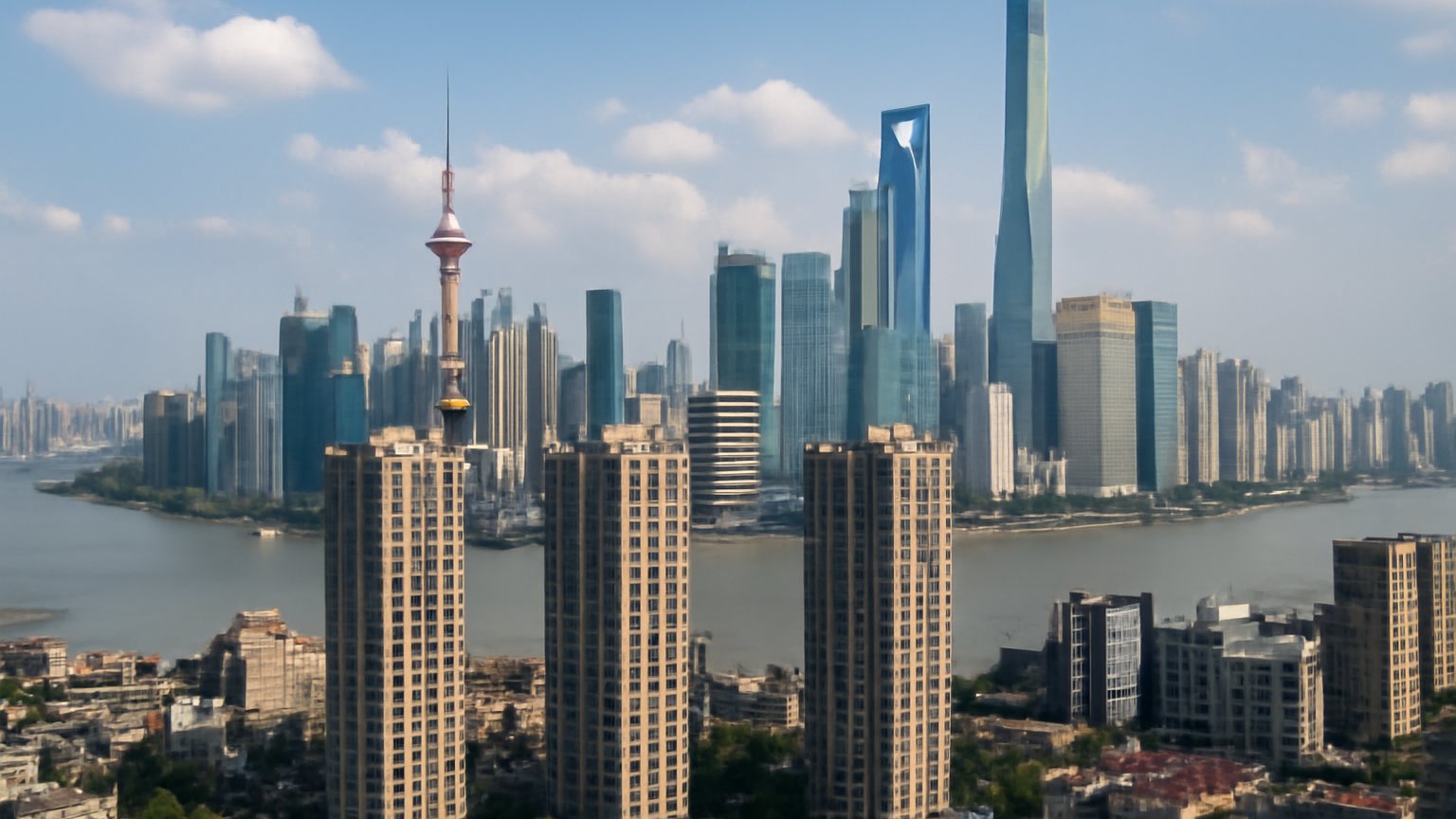
When a Shanghai Olympic sprinter swapped his training shoes for a marble foyer, the headlines screamed luxury – but the story behind that $1 billion penthouse reads like a high‑stakes game of musical chairs. The city’s sky‑high towers, once the domain of finance moguls, are now glittering magnets for athletes who crave the same prestige their medals bring. Yet as more sports stars sign contracts for glass‑encased lofts, the question looms: are these glittering addresses a sign of unstoppable growth or the first tremor of a bubble about to pop?
Inside these ultra‑exclusive complexes, price tags rival the transfer fees of top football clubs, and the allure is as much about status as it is about location. Observers point to a surge in speculative buying, while analysts warn that the market’s velocity may outpace demand. For anyone trying to keep pace, staying updated with the latest news updates from China today is essential, as is following the latest China’s real estate news and market trends to gauge where the next break might occur.
This introduction sets the stage for a deep dive into how Shanghai’s sports elite got hooked, why billion‑dollar condos have become a new high‑stakes game, and what a market correction could mean for the city’s athletic community.
From Skyscraper Courts to Luxury Lofts: How Shanghai's Sports Elite Got Hooked
When Shanghai’s elite athletes first stepped onto the polished floors of the city’s new high‑rise complexes, they weren’t just looking for a place to rest after a grueling training session. They saw a status symbol, a tangible badge of success that matched the medals on their walls. The surge began in the early 2010s, as the municipal government pushed for world‑class sports facilities alongside luxury residences—an effort that turned former industrial zones into glittering vertical campuses. Athletes, from Olympic swimmers to marathon champions, gravitated toward these towers for their state‑of‑the‑art gyms, private pools, and proximity to premier training centers.
What started as a niche perk quickly morphed into a broader trend that fed the city’s real‑estate frenzy. The allure of training at sunrise, then stepping onto a balcony that overlooks the Huangpu River, made these condos a magnet for anyone chasing the high‑performance lifestyle. Yet the very factors that made them attractive—exclusivity, premium amenities, and a promise of prestige—are now being cited in discussions about a looming bubble. For the sports community, the question isn’t just about price tags; it’s about whether the infrastructure can sustain the hype, or if it will become another footnote in China’s real estate news and market trends.
The Price Playbook: Why Billion-Dollar Condos Are the New High-Stakes Game
The Billion-Dollar Condos of Shanghai have become the ultimate status symbol, where the ultra-rich and powerful congregate to showcase their wealth and influence. These opulent developments have transcended the realm of mere luxury real estate, entering the rarefied world of high-stakes geopolitics and high finance.
As the prices of these condos continue to soar, concerns are growing about the risks of a market correction. The recent slowdown in China’s economy and the decline in the country’s stock market have already led to a decrease in buying activity, with some analysts predicting that prices may drop by up to 20% in the coming year. Despite these warnings, many developers and marketers remain optimistic, touting the long-term potential of Shanghai’s luxury real estate market.
Risky Moves: Market Trends That Hint the Real Estate Bubble Might Crash
Recent sales data from Shanghai’s sky‑high condos reveal a pattern that mirrors a sprint gone off‑track: prices have stalled while inventory quietly swells. Buyers who once raced to secure units are now hesitating, sensing the finish line may be farther than expected. This shift is evident in the surge of listings that sit on the market for months—an unusual sight in a city where apartments typically vanish within weeks. Even developers, accustomed to bulldozing new towers, are throttling back on groundbreaking projects, opting instead for modest refurbishments. The underlying currents echo broader economic signals, such as tighter credit conditions and a slowdown in consumer spending, both of which are nudging the market toward a potential correction.
- ☐ Monitor mortgage rate trends for early warning signs
- ☐ Track new condo inventory levels in key districts
- ☐ Compare sales velocity against previous quarters
- ☐ Review developer announcements for project delays
Meanwhile, investors are looking beyond bricks and mortar, turning to sectors that may buffer a real‑estate dip. A recent analysis of the Global Energy Sector Navigates Through challenges suggests that energy infrastructure could absorb some capital outflow. For Shanghai’s affluent buyers, diversifying into alternative assets is becoming a pragmatic play. As the market teeters, staying attuned to China’s real estate news and market trends will be essential for anyone hoping to avoid a costly misstep in what could become a defining moment for the city’s skyline.
Inside the Locker Room: Investors, Athletes, and the Allure of Prestige Addresses
When elite athletes sign contracts worth millions, the perks often extend beyond locker rooms and sponsorship deals. A penthouse view over the Huangpu River becomes a badge of honor, a tangible proof that they’ve “made it” in a sport where fame is fleeting. The same logic drives venture capitalists and former Olympians alike to snap up Shanghai’s sky‑high condos – not just as homes, but as status symbols that signal power to peers and potential partners.
These high‑profile buyers also feed a feedback loop: their presence inflates demand, which pushes developers to market even loftier projects, often financed by the same investors who now own the units. The result? A market that feels more like a celebrity club than a housing economy. For those tracking the pulse of the sector, keeping tabs on China’s real estate news and market trends reveals how each new endorsement reshapes price expectations. Meanwhile, tech‑savvy investors might appreciate a glimpse into future technology innovations that could eventually redefine how these ultra‑luxury spaces are built and sold.
Game Over or Overtime? What a Burst Could Mean for Shanghai’s Sports Scene
As Shanghai’s real estate market teeters on the edge, one crucial aspect that could be severely impacted is the sports scene. With several multi-million-dollar stadiums and arenas under construction, a potential burst in the condo bubble could jeopardize the city’s ambitious plans for sports infrastructure. For instance, the Shanghai Stadium, which is set to host the 2025 Asian Games, has already faced significant delays due to funding issues.
While some might argue that the sports scene is largely insulated from the real estate market, a closer look reveals numerous connections between the two. Many sports teams and organizations rely on private funding from real estate developers to stay afloat, and a burst in the condo bubble could leave them scrambling for alternative sources of revenue. Moreover, the prestige projects like Shanghai’s planned Olympic Sports Center may be put on hold or even shelved if investors become increasingly risk-averse. To stay up-to-date with the latest developments, it would be wise to stay informed about China’s real estate news and market trends and consider potential implications for the sports industry.
The Billion-Dollar Question
Shanghai’s elite athletes and investors have sunk billions into luxury condos, lured by prestige addresses and high-stakes returns. But as the real estate market teeters, the sports scene may face an unwelcome shock. With the city’s sports heroes now facing a potential financial crisis, can the allure of the high life be sustained?
The allure of China’s China’s real estate news and market trends has been a double-edged sword. On one hand, it has fueled a construction boom and generated jobs. On the other, it has driven up prices to unsustainable levels, leaving many buyers struggling to keep up. As investors and athletes alike face a difficult reckoning, the future of Shanghai’s sports scene hangs in the balance. Will the luxury condos of Shanghai remain a symbol of prestige and success, or will they become a costly burden that threatens it all?
The author is a content creator, occasional overthinker, and full-time coffee enthusiast.