The Athletic Mindset and Career Success
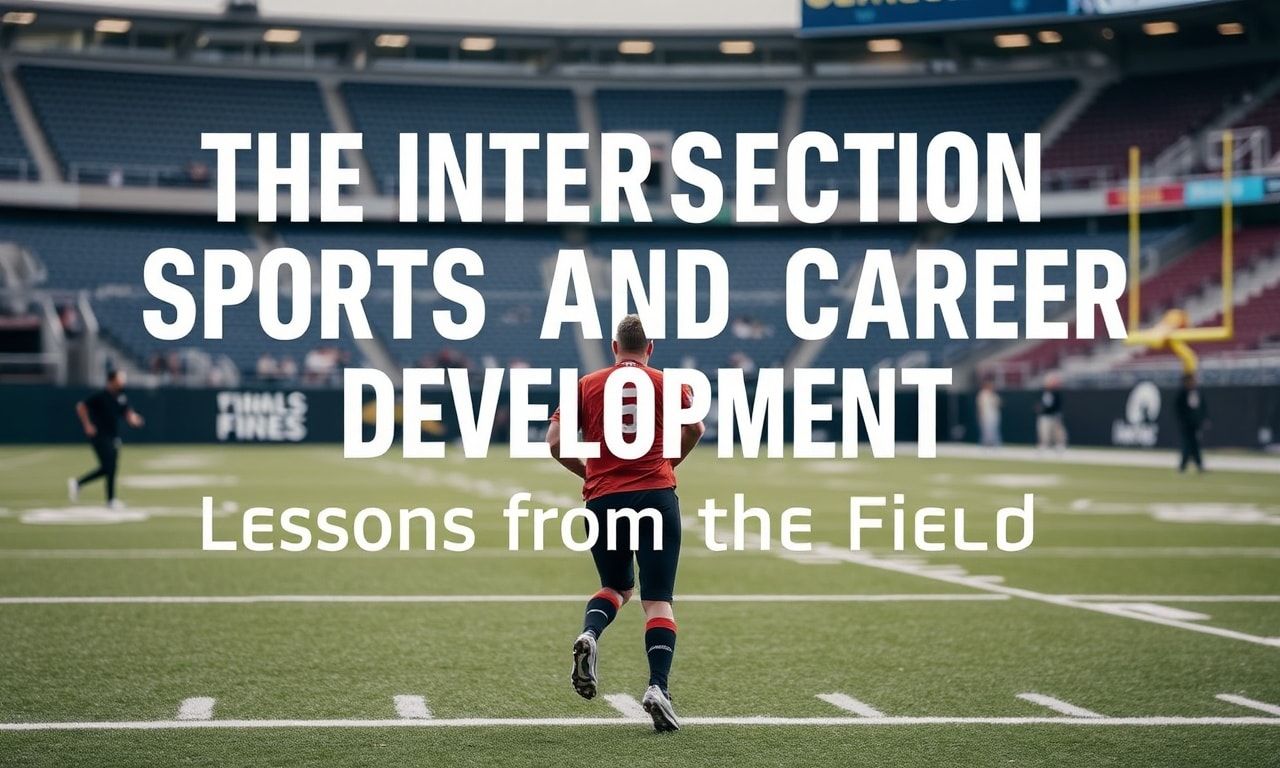
The world of sports is not just about physical prowess and competitive spirit; it’s also a rich source of lessons that can be applied to career development. Athletes often exhibit qualities such as discipline, resilience, and a strong work ethic, which are equally valuable in the professional arena. Understanding how to translate these athletic virtues into career success can provide a significant edge in today’s competitive job market.
Discipline and Consistency
Discipline is the cornerstone of both athletic success and career achievement. Athletes train rigorously, adhering to strict schedules and routines to hone their skills. Similarly, professionals who maintain a disciplined approach to their work, continuously seeking to improve and stay organized, are more likely to excel in their careers. This consistency builds a strong foundation for long-term success, whether on the field or in the office.
Resilience in the Face of Challenges
Resilience is another key trait that athletes and professionals share. In sports, setbacks are inevitable, but the ability to bounce back from defeats and injuries is what sets champions apart. This same resilience is crucial in the workplace, where challenges and obstacles are common. Learning to navigate these hurdles with a positive attitude and determination can lead to significant career growth and personal fulfillment.
Teamwork and Collaboration
Teamwork is an essential aspect of both sports and professional environments. Athletes understand the importance of working together towards a common goal, leveraging each team member’s strengths to achieve success. In the workplace, effective collaboration and communication are vital for project success and overall productivity. By fostering a team-oriented mindset, professionals can create a supportive and dynamic work environment that drives innovation and achievement.
Transferable Skills from Sports to the Workplace
Many skills developed through sports can be directly applied to the workplace, enhancing professional performance and career prospects. For example, the ability to set and achieve goals, manage time effectively, and communicate clearly are all skills that athletes cultivate and that are highly valued in the professional world. Additionally, the experience of performing under pressure and making quick decisions can be invaluable in high-stakes business situations.
Goal Setting and Achievement
Goal setting is a fundamental aspect of both sports and career development. Athletes set specific, measurable, achievable, relevant, and time-bound (SMART) goals to track their progress and stay motivated. Similarly, professionals who set clear career goals and develop actionable plans to achieve them are more likely to succeed. By breaking down larger objectives into smaller, manageable tasks, individuals can make steady progress towards their long-term aspirations.
Time Management and Prioritization
Effective time management is crucial for athletes who need to balance training, competition, and personal commitments. This skill is equally important in the workplace, where professionals often juggle multiple projects and deadlines. Learning to prioritize tasks, delegate responsibilities, and manage time efficiently can significantly improve productivity and reduce stress. By applying the time management techniques honed in sports, professionals can achieve a better work-life balance and enhance their overall job satisfaction.
Communication and Leadership
Communication and leadership are essential skills in both sports and the workplace. Athletes often need to communicate effectively with their coaches, teammates, and fans, while also demonstrating leadership qualities on and off the field. In the professional world, strong communication skills are vital for collaborating with colleagues, presenting ideas, and building relationships with clients. Leadership abilities are equally important for inspiring and motivating team members, driving project success, and achieving organizational goals.
Preparing for Career Success
Just as athletes prepare meticulously for competitions, professionals must also invest time and effort in preparing for their careers. This includes not only acquiring the necessary skills and knowledge but also developing the right mindset and attitude. For those looking to enhance their career prospects, resources like how to prepare for job interviews can provide valuable insights and practical tips to help them stand out in the job market. By leveraging these resources and applying the lessons learned from sports, individuals can position themselves for long-term career success.
Continuous Learning and Development
Continuous learning and development are essential for both athletes and professionals. Athletes constantly seek to improve their skills and stay updated on the latest techniques and strategies in their sport. Similarly, professionals must commit to lifelong learning to remain competitive in their fields. This can involve pursuing advanced degrees, attending workshops and seminars, or engaging in online courses. By staying curious and open to new ideas, individuals can continuously expand their knowledge and skills, enhancing their career prospects.
Networking and Building Relationships
Networking is a critical aspect of both sports and career development. Athletes often build strong relationships with their coaches, teammates, and industry professionals, which can open doors to new opportunities. In the workplace, networking can lead to valuable connections, mentorship, and career advancement. By attending industry events, joining professional organizations, and engaging with peers on social media, professionals can expand their network and gain access to new opportunities.
Conclusion
The lessons learned from sports can be invaluable in the workplace, providing a framework for career success and personal growth. By cultivating discipline, resilience, teamwork, and other key skills, professionals can enhance their performance and achieve their career goals. Additionally, leveraging resources like how to prepare for job interviews can provide practical guidance for navigating the job market and securing rewarding opportunities. By applying the principles of sports to their professional lives, individuals can build successful and fulfilling careers.
Ready to take your sports career to the next level? Discover essential tips for choosing your path in the thrilling world of athletics.
To elevate your sports brand and connect with your audience, dive into our latest piece on essential steps for success in digital marketing and branding.
To keep your spirits high and maintain peak performance, check out tips for finding happiness at home, a guide filled with practical advice to boost your daily life.