The Power of Sports in Building Communities
Sports have always been more than just games; they are a unifying force that brings people together, fosters camaraderie, and builds communities. From local youth leagues to professional teams, sports have the power to inspire and create lasting bonds. Athletes, in particular, often use their platform to give back to their communities, demonstrating the profound impact sports can have beyond the field or court.
Athletes as Role Models
Professional athletes are often seen as role models, not just for their athletic prowess but also for their philanthropic efforts. Many athletes establish foundations or partner with existing organizations to support causes close to their hearts. For example, Tom Brady’s TB12 Foundation focuses on health and wellness, while LeBron James’ I PROMISE School aims to provide educational opportunities for underprivileged children. These initiatives highlight how athletes can leverage their influence to make a positive impact.
Community Engagement
Community engagement is a cornerstone of many athletes’ philanthropic efforts. Whether through charity events, volunteer work, or mentorship programs, athletes often take an active role in giving back. For instance, the NFL’s ‘Salute to Service’ initiative involves players and teams in supporting military families and veterans. Similarly, the NBA’s ‘NBA Cares’ program encourages players to participate in community service projects. These efforts not only benefit the community but also strengthen the bond between athletes and their fans.
Innovative Fundraising
Athletes are also known for their innovative approaches to fundraising. From charity golf tournaments to auctioning off memorabilia, they find creative ways to raise funds for their chosen causes. For example, Serena Williams has organized charity tennis matches to support various causes, while Derek Jeter’s Turn 2 Foundation focuses on youth development through education and athletic programs. These fundraising efforts not only generate financial support but also raise awareness about important social issues.
The Role of Sports in Emergency Preparedness
Sports organizations and athletes also play a crucial role in emergency preparedness and response. Many professional teams and leagues have partnerships with local emergency services to ensure the safety of fans and players. For instance, the NFL works closely with local fire departments to implement emergency protocols during games. Staying informed about fire department news today can provide valuable insights into how these partnerships are formed and maintained. Additionally, athletes often participate in disaster relief efforts, using their platform to raise funds and awareness for those affected by natural disasters or other emergencies.
Team Efforts
Team efforts in emergency preparedness are essential for ensuring the safety of all involved. Professional sports teams often have dedicated emergency response teams that work closely with local authorities to develop and implement safety protocols. For example, the NHL’s ‘Hockey Fights Cancer’ initiative not only raises funds for cancer research but also promotes awareness about emergency preparedness in sports venues. These collaborative efforts highlight the importance of teamwork and community support in times of crisis.
Athlete Involvement
Athletes themselves are often at the forefront of emergency response efforts. Many athletes have received training in first aid and CPR, enabling them to assist in emergencies both on and off the field. For instance, soccer players often participate in community training sessions to educate fans about emergency procedures. These efforts not only enhance the safety of sports events but also empower athletes to make a difference in their communities.
Conclusion
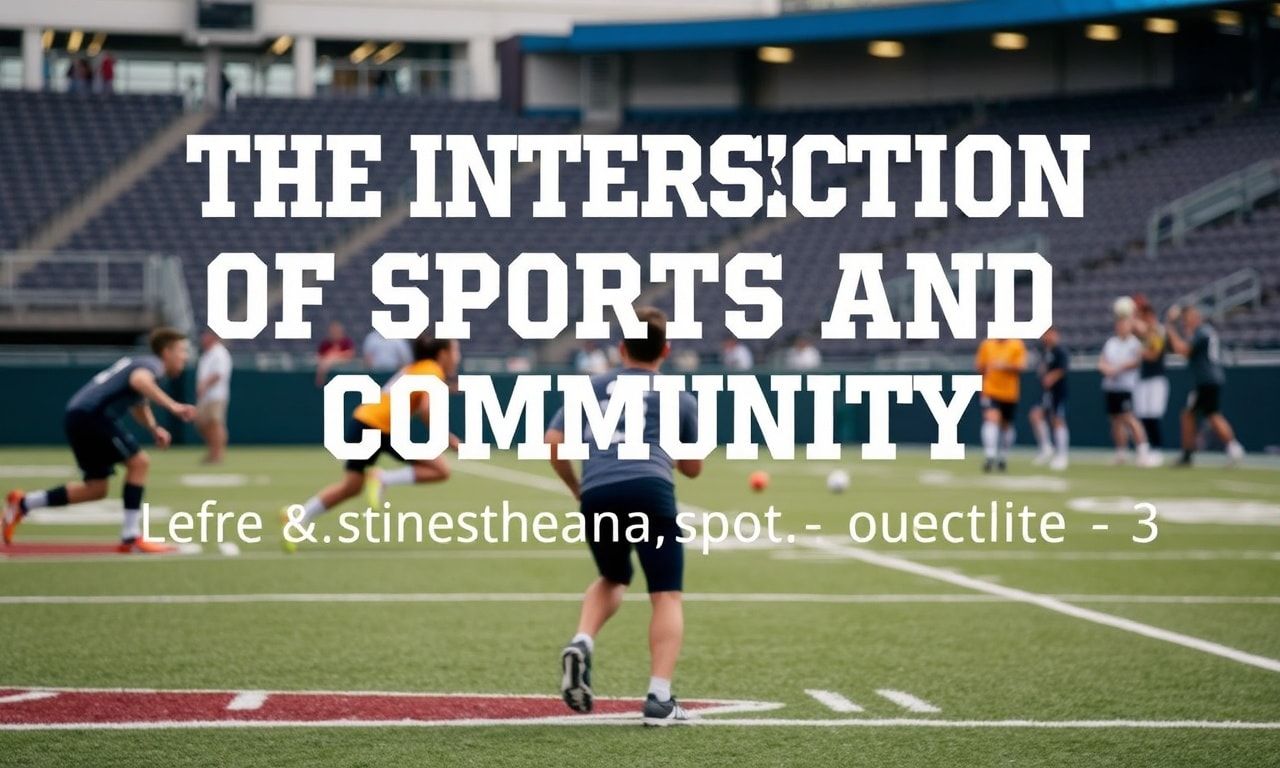
The intersection of sports and community is a powerful force for positive change. Athletes, through their philanthropic efforts and community engagement, demonstrate the profound impact sports can have beyond the field. From innovative fundraising to emergency preparedness, athletes and sports organizations play a crucial role in building stronger, safer communities. As fans, we can support these efforts by staying informed, participating in community initiatives, and recognizing the importance of sports in our lives.