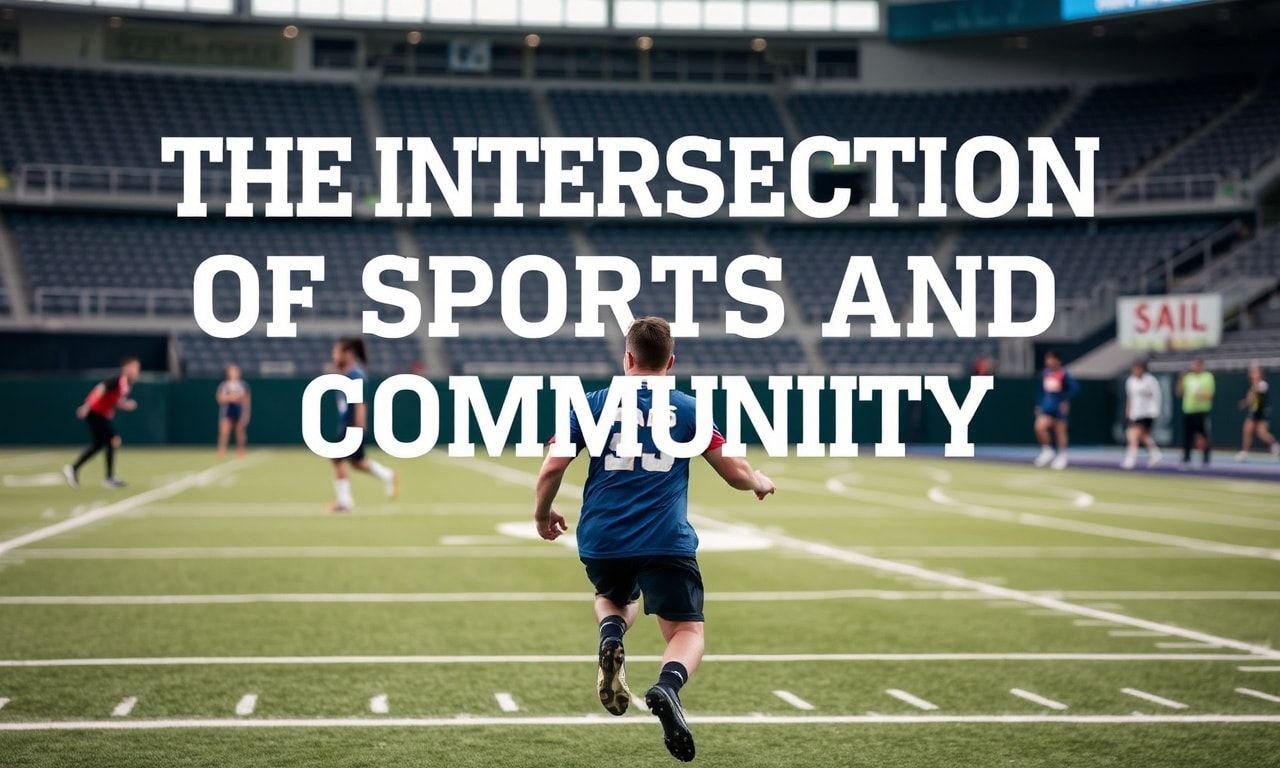
The Power of Sports in Building Communities
Sports have always been more than just games; they are a unifying force that brings people together, fostering a sense of community and shared purpose. Whether it’s a local soccer match or a high-stakes basketball game, sports events create a platform where individuals from diverse backgrounds can connect and celebrate their common passions. This article explores how sports transcend the boundaries of the playing field, influencing communities and inspiring individuals to strive for greatness both on and off the field.
The Role of Athletes as Community Leaders
Athletes often become role models and leaders within their communities. Their dedication, discipline, and perseverance serve as powerful examples for younger generations. Many athletes use their platform to advocate for social causes, promote healthy lifestyles, and encourage community engagement. For instance, professional athletes frequently participate in charity events, mentorship programs, and community service initiatives. Their involvement not only raises awareness but also inspires others to take action and make a positive impact in their own communities.
Inspiring the Next Generation
Young athletes look up to professional players as icons of success and excellence. The stories of overcoming adversity, hard work, and determination resonate deeply with aspiring athletes. Many sports programs and academies are established to nurture young talent, providing them with the necessary resources and guidance to reach their full potential. These programs often include mentorship from professional athletes, who share their experiences and offer valuable advice. The ripple effect of this mentorship can be seen in the increased participation in sports and the development of a healthier, more active community.
Sports as a Catalyst for Social Change
Sports have historically been a catalyst for social change, breaking down barriers and promoting inclusivity. From Jackie Robinson breaking the color barrier in baseball to the global impact of the Olympics, sports have played a pivotal role in advancing social justice and equality. Athletes have used their influence to advocate for various causes, including racial equality, gender equality, and environmental sustainability. Their voices amplify important issues, bringing them to the forefront of public consciousness and driving meaningful change. By leveraging their platform, athletes can inspire fans to take a stand and contribute to a more equitable and just society.
The Importance of Staying Informed
In today’s fast-paced world, staying informed about current events is crucial, especially for those who are passionate about sports and community engagement. Keeping up with the latest sports news, team analyses, and athlete achievements can provide valuable insights and inspiration. For those interested in staying updated on a broader range of topics, including religious news updates for today, there are numerous resources available that cater to diverse interests. Being well-informed allows individuals to make informed decisions, engage in meaningful discussions, and stay connected to the issues that matter most to them.
Building a Stronger Community Through Sports
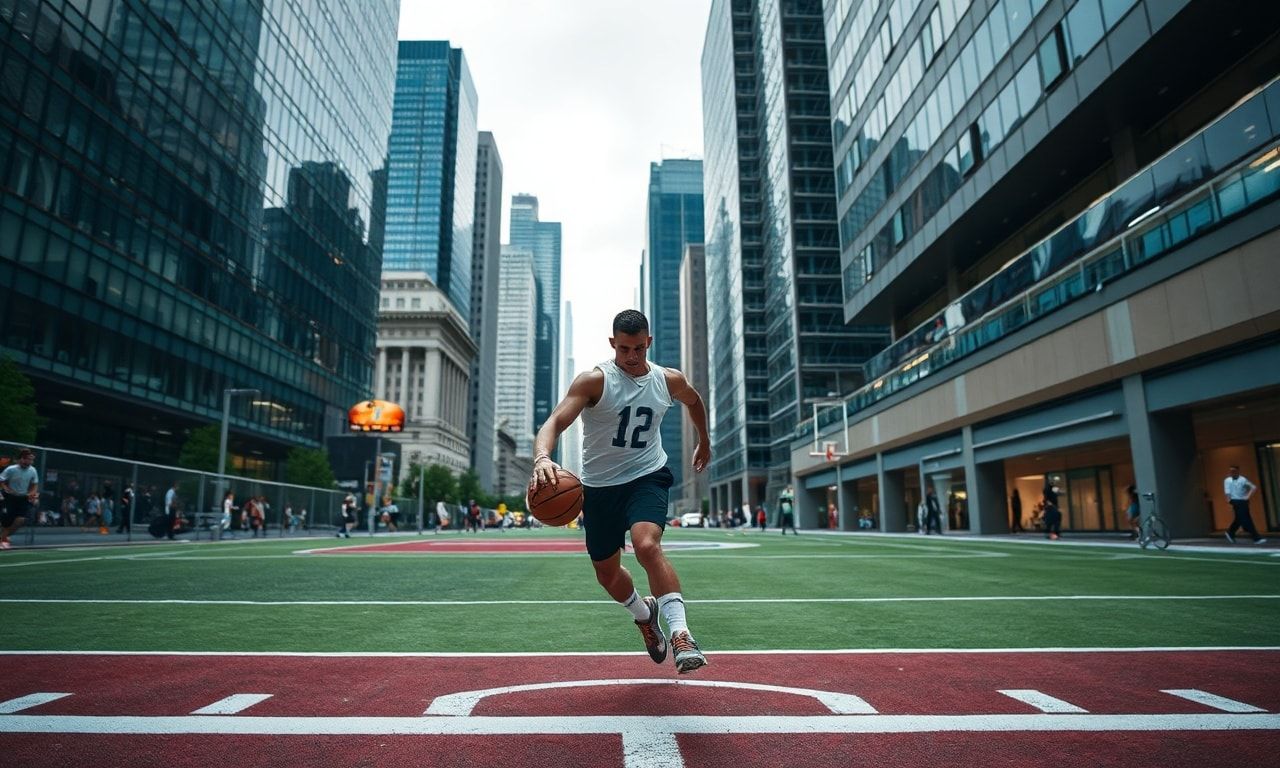
Sports have the power to bring people together, fostering a sense of belonging and unity. Community sports events, such as local tournaments, marathons, and charity runs, create opportunities for individuals to connect, support one another, and celebrate their shared love for the game. These events not only promote physical activity but also strengthen social bonds and enhance the overall well-being of the community. By participating in and supporting local sports initiatives, individuals can contribute to the growth and development of a healthier, more vibrant community.
Encouraging Active Lifestyles
One of the most significant benefits of sports is the promotion of an active and healthy lifestyle. Regular physical activity is essential for maintaining good health, preventing chronic diseases, and improving mental well-being. Sports provide a fun and engaging way for individuals of all ages to stay active and fit. Community sports programs and recreational leagues offer opportunities for people to participate in various sports, from soccer and basketball to swimming and cycling. By encouraging active lifestyles, sports contribute to the overall health and well-being of the community, creating a positive ripple effect that extends beyond the playing field.
Fostering Teamwork and Collaboration
Sports teach valuable life skills, such as teamwork, collaboration, and communication. Participating in team sports requires individuals to work together towards a common goal, fostering a sense of camaraderie and mutual respect. These skills are not only beneficial on the field but also in various aspects of life, including education, career, and personal relationships. By promoting teamwork and collaboration, sports help individuals develop essential skills that contribute to their personal and professional growth, ultimately strengthening the community as a whole.
Conclusion
The impact of sports on communities is profound and far-reaching. From inspiring the next generation of athletes to promoting social change and fostering a sense of belonging, sports play a crucial role in building stronger, healthier, and more vibrant communities. By staying informed, encouraging active lifestyles, and promoting teamwork, individuals can contribute to the growth and development of their communities. Whether it’s through participating in local sports events, supporting community initiatives, or advocating for important causes, the power of sports to unite and inspire is undeniable. As we continue to celebrate the achievements of athletes and the positive impact of sports, we can look forward to a future where communities thrive and individuals reach their full potential.
You may also find The Rise of Ethiopian Athletics: A helpful as it covers related aspects of this subject.