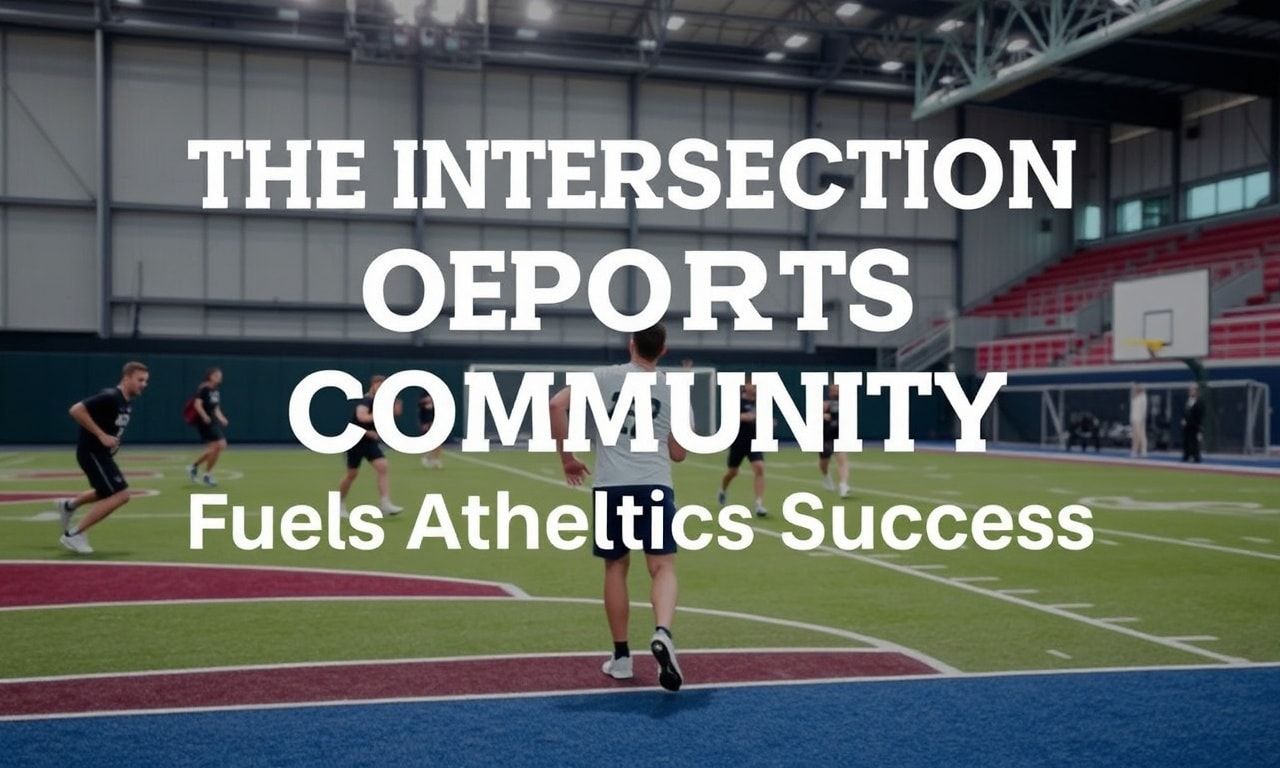
The Power of Community in Sports
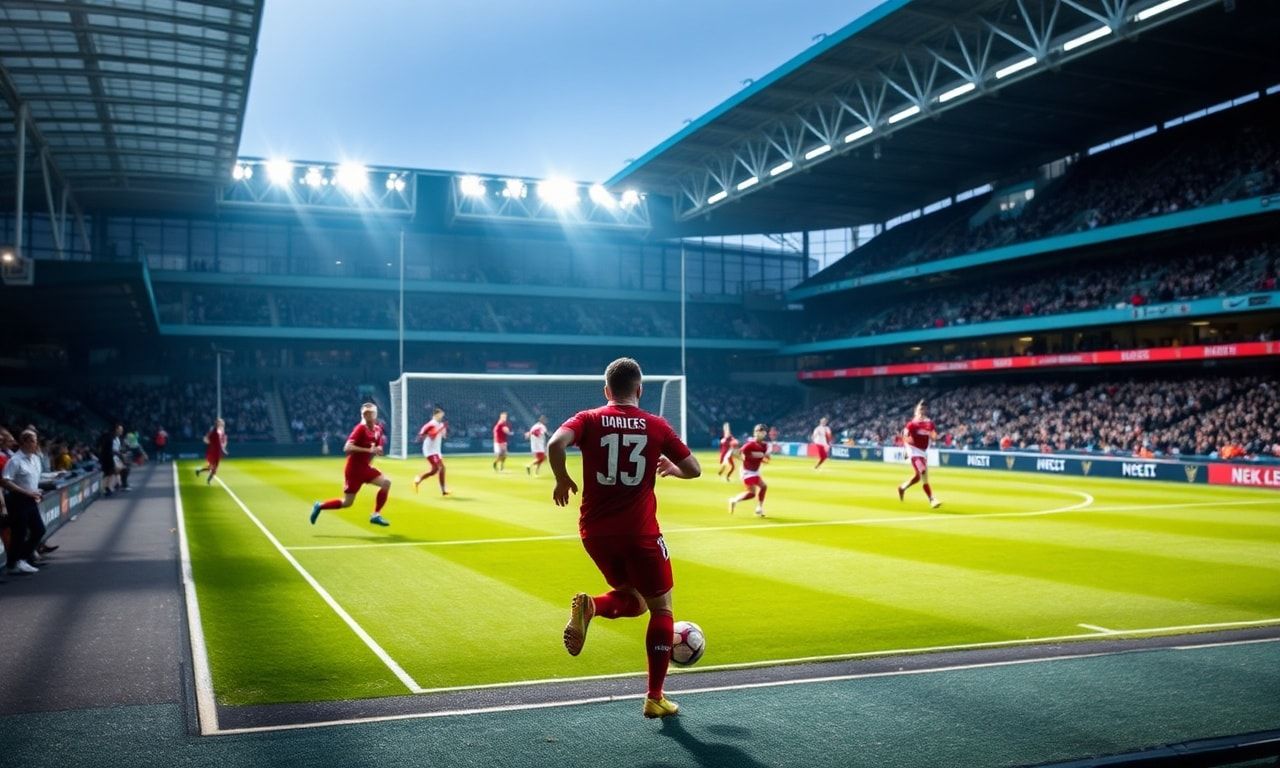
Sports have always been a unifying force, bringing people together and fostering a sense of community. Whether it’s a local soccer league, a high school basketball team, or a marathon that draws thousands of participants, sports have the power to create bonds that transcend individual differences. The success of any sports endeavor is deeply rooted in the support and infrastructure provided by the community. From well-maintained facilities to dedicated coaches and volunteers, the community plays a pivotal role in nurturing athletic talent and promoting a healthy, active lifestyle.
The Importance of Local Infrastructure
Local infrastructure is the backbone of any thriving sports community. This includes not just the physical facilities like stadiums, gyms, and tracks, but also the underlying services that keep these facilities running smoothly. For instance, reliable plumbing and electrical systems are essential for maintaining sports facilities. A well-maintained plumbing system ensures that locker rooms, showers, and restrooms are functional and hygienic, while a robust electrical system powers lighting, scoreboards, and other essential equipment. In this regard, local plumbers and electricians, such as those found through ilçe tesisatçılar, play a crucial role in ensuring that sports facilities are safe and operational.
Case Studies: Communities Thriving Through Sports
Several communities around the world have successfully leveraged local infrastructure to boost their sports programs. For example, the city of Barcelona, Spain, is renowned for its world-class sports facilities, which have not only nurtured local talent but also attracted international sporting events. The city’s commitment to maintaining high standards in its infrastructure has been instrumental in its success. Similarly, in the United States, cities like Boston and Chicago have invested heavily in their sports infrastructure, resulting in thriving local sports scenes and successful professional teams.
The Role of Volunteers and Local Businesses
Volunteers and local businesses are the unsung heroes of community sports. They provide the necessary support and resources that help sports programs thrive. Volunteers often take on roles such as coaching, organizing events, and maintaining facilities. Local businesses, on the other hand, can sponsor sports teams, provide equipment, and offer discounts to athletes. This symbiotic relationship between volunteers, local businesses, and sports programs creates a robust ecosystem that benefits everyone involved. For instance, a local hardware store might sponsor a youth soccer team, while a nearby restaurant offers discounts to team members. These contributions not only help the teams but also strengthen the community bonds.
Innovative Funding and Partnerships
Innovative funding models and partnerships are essential for sustaining community sports programs. Many communities have turned to crowdfunding, grants, and corporate sponsorships to fund their sports initiatives. For example, the city of Austin, Texas, has partnered with local tech companies to fund its youth sports programs. These partnerships not only provide financial support but also bring in expertise and resources that can enhance the quality of the programs. Additionally, communities can leverage social media and online platforms to raise awareness and funds for their sports initiatives. By engaging with a broader audience, communities can attract more sponsors and volunteers, thereby ensuring the sustainability of their sports programs.
The Future of Community Sports
The future of community sports looks promising, with a growing emphasis on inclusivity, sustainability, and technology. Inclusivity ensures that everyone, regardless of their background or ability, has access to sports programs. Sustainability focuses on creating environmentally friendly sports facilities and promoting a healthy lifestyle. Technology, on the other hand, can enhance the sports experience by providing real-time data, virtual coaching, and interactive training programs. By embracing these trends, communities can create sports programs that are not only successful but also sustainable and inclusive. For instance, the use of solar panels to power sports facilities can reduce energy costs and promote environmental sustainability. Similarly, virtual coaching can provide personalized training programs that cater to the individual needs of athletes.
Conclusion
In conclusion, the success of community sports is deeply rooted in the support and infrastructure provided by the community. From well-maintained facilities to dedicated volunteers and local businesses, every element plays a crucial role in nurturing athletic talent and promoting a healthy, active lifestyle. By leveraging innovative funding models, partnerships, and technology, communities can create sports programs that are not only successful but also sustainable and inclusive. As we look to the future, it is essential to continue investing in local infrastructure and fostering a sense of community around sports. After all, sports have the power to bring people together, promote health and wellness, and create a stronger, more vibrant community.
As athletes and fitness enthusiasts, we’re always looking for that extra edge, and how tech enhances daily life might just inspire your next training breakthrough.
Ready to upgrade your downtime? Check out smart home decor tips to create a space that’s as dynamic as your workout routine.
Discover how cutting-edge tech is revolutionizing the world of sports with our latest feature on action cameras in athletics.