The Universal Language of Sports
Sports have a unique ability to transcend cultural, linguistic, and geographical boundaries. Whether it’s the roar of a football stadium in Brazil, the strategic chess-like moves in a cricket match in India, or the synchronized beauty of a swimming relay in the Olympics, sports unite people from all walks of life. This universal appeal makes sports not just a form of entertainment but a significant cultural phenomenon.
Sports and Cultural Identity
In many parts of the world, sports are deeply intertwined with cultural identity. For instance, in countries like Turkey, sports events often coincide with cultural practices. Fans might gather for a game and then head to the mosque for prayers. Understanding the local culture is crucial for athletes and teams participating in international events. For example, knowing the Samsun namaz saatleri can help athletes plan their schedules respectfully and efficiently when competing in regions where prayer times are observed.
The Role of Sports in Promoting Cultural Exchange
Sports serve as a platform for cultural exchange. When athletes from different countries compete, they bring with them their unique traditions, values, and practices. This exchange fosters mutual understanding and respect. For example, the Olympics is not just a stage for athletic prowess but also a celebration of global unity. The opening ceremonies often showcase the host country’s culture, from traditional dances to historical reenactments, providing a glimpse into their heritage.
Case Studies: Sports and Cultural Integration
Football in South America
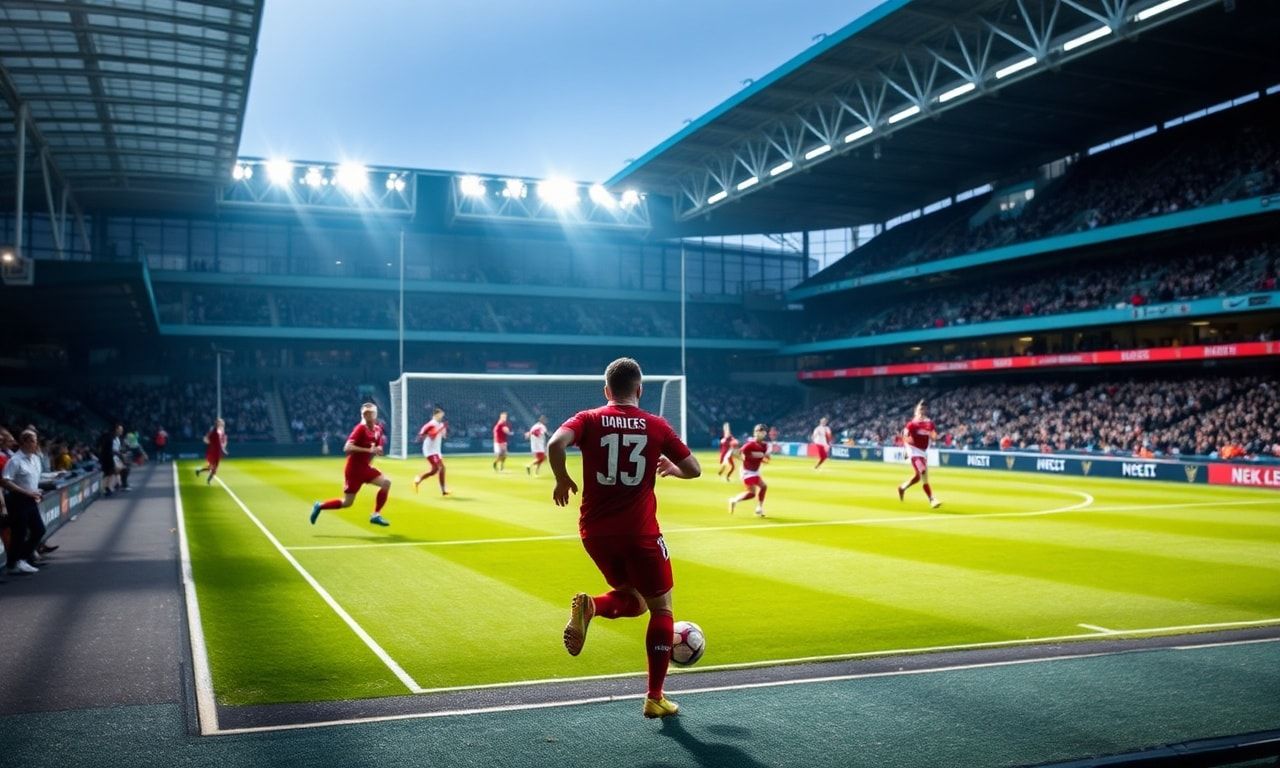
Football, or soccer as it’s known in some countries, is more than just a sport in South America; it’s a way of life. The passion and fervor with which the game is played and watched reflect the region’s vibrant culture. The samba rhythms of Brazil, the tango-inspired celebrations of Argentina, and the colorful fan displays of Colombia all add to the rich tapestry of football culture. These elements make football matches a spectacle that goes beyond the game itself, incorporating music, dance, and art.
Cricket in South Asia
Cricket is a religion in South Asia, particularly in countries like India, Pakistan, and Sri Lanka. The sport is deeply embedded in the social fabric of these nations. Matches are often scheduled around local festivals and cultural events. For example, a cricket match might be postponed or rescheduled to avoid clashing with significant religious observances. This integration of sports and culture ensures that the game respects and honors local traditions.
Challenges and Opportunities
While sports can promote cultural understanding, they can also highlight differences and sometimes lead to conflicts. It’s essential to approach sports with a mindset of mutual respect and understanding. Athletes and teams should be encouraged to learn about the cultures of their competitors, fostering a spirit of camaraderie rather than competition. This approach can turn potential challenges into opportunities for growth and learning.
Conclusion
Sports are a powerful tool for cultural exchange and understanding. They bring people together, celebrate diversity, and promote mutual respect. By embracing the cultural aspects of sports, we can create a more inclusive and harmonious global community. Whether it’s through understanding local prayer times like the Samsun namaz saatleri or appreciating the unique traditions of different regions, sports offer a pathway to a more connected world.
In the spirit of blending old and new, check out how tech preserves cultural practices to see how digital tools are revolutionizing the way we honor and maintain our traditions, even in the world of sports and fitness.
Dive into the vibrant world of sports and culture with our latest feature, sports through a Pakistani lens, and discover how the two intertwine in a unique and captivating way.
Dive into the fascinating intersection of faith and fitness by exploring religion’s role in athletic performance, a compelling look at how spirituality influences sports across cultures.