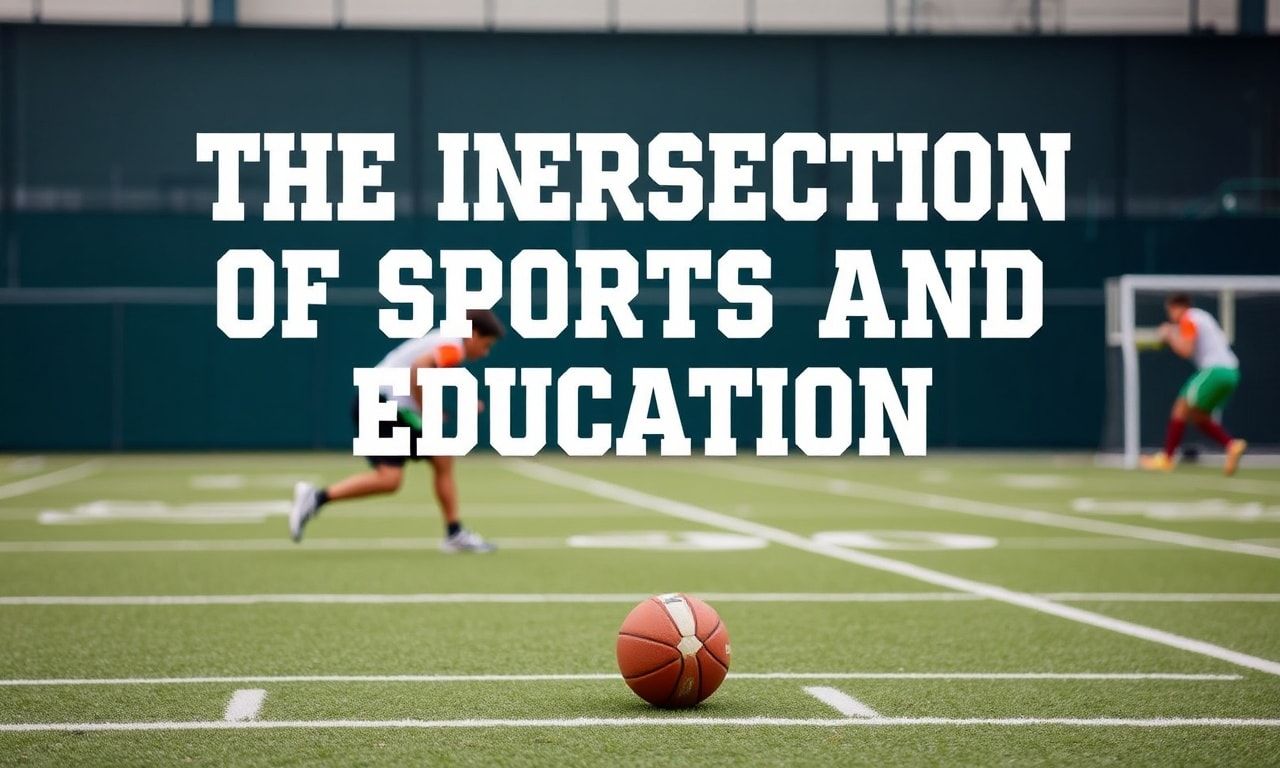
The Power of Sports in Education
Sports have always been a significant part of the educational experience, fostering teamwork, discipline, and physical fitness among students. Beyond the obvious health benefits, participating in sports can also enhance academic performance and social skills. Schools that integrate sports into their curriculum often see a marked improvement in student engagement and overall well-being. This article explores the multifaceted role of sports in education and how they contribute to the holistic development of young athletes.
The Benefits of Athletic Programs in Schools
Incorporating athletic programs into the school curriculum offers numerous advantages. For instance, physical education classes and interscholastic sports provide students with opportunities to develop essential life skills such as leadership, time management, and resilience. According to studies, students involved in sports tend to have higher self-esteem and better mental health. Additionally, sports can serve as a platform for students to build lasting friendships and learn the value of teamwork. These benefits extend beyond the playing field, positively impacting students’ academic and personal lives.
Enhancing Academic Performance
Contrary to the belief that sports distract from academic pursuits, research has shown that student-athletes often perform better in their studies. The discipline and time management skills acquired through sports can translate into better study habits and academic achievement. Schools that prioritize both athletics and academics create a balanced environment where students can excel in both areas. Moreover, the sense of accomplishment and confidence gained from sports can motivate students to strive for excellence in their academic endeavors.
Promoting Physical and Mental Health
Regular physical activity is crucial for maintaining good health, and sports provide an engaging way for students to stay active. Participating in sports helps reduce the risk of obesity, diabetes, and other health issues associated with a sedentary lifestyle. Beyond physical health, sports also play a vital role in mental well-being. Physical activity releases endorphins, which can alleviate stress and anxiety. For many students, sports serve as a healthy outlet for managing the pressures of school and life. The Iowa genealogy news today for teachers highlights the importance of integrating physical education into the curriculum to promote overall student health.
The Role of Coaches and Educators
Coaches and educators play a pivotal role in shaping the athletic and academic journey of student-athletes. Effective coaches not only focus on developing athletic skills but also emphasize the importance of sportsmanship, respect, and perseverance. Educators, on the other hand, can support student-athletes by creating a conducive learning environment that balances academic and athletic demands. Collaboration between coaches and educators ensures that students receive comprehensive support, enabling them to thrive both on and off the field.
Building Character and Life Skills
Sports are a powerful tool for building character and life skills. Through sports, students learn the value of hard work, dedication, and resilience. They also develop essential skills such as communication, problem-solving, and decision-making. These skills are transferable to various aspects of life, including academics and future careers. By participating in sports, students gain a competitive edge and a strong foundation for personal and professional success.
Case Studies: Successful Athletic Programs
Several schools have successfully integrated athletic programs into their curriculum, reaping the benefits of a well-rounded education. For example, schools with robust athletic programs often see higher graduation rates and improved academic performance. These programs provide students with a sense of belonging and purpose, fostering a positive school culture. By investing in athletic programs, schools can create a supportive environment that nurtures the holistic development of students.
Community Involvement and Support
Community involvement is crucial for the success of athletic programs. Parents, local businesses, and community organizations can support schools by providing resources, sponsorships, and volunteer opportunities. This collective effort ensures that students have access to quality athletic facilities and equipment. Additionally, community support fosters a sense of pride and unity, encouraging students to take pride in their school and community. By working together, schools and communities can create a thriving athletic program that benefits all students.
Conclusion
The integration of sports into the educational experience offers numerous benefits, from enhanced academic performance to improved physical and mental health. Coaches, educators, and the community all play a vital role in supporting student-athletes and creating a balanced learning environment. By prioritizing athletic programs, schools can foster the holistic development of students, preparing them for success in all aspects of life. The power of sports in education is undeniable, and its impact extends far beyond the playing field.
Discover how technology is revolutionizing team apparel with custom shirts for athletes, offering unparalleled personalization and performance.
To keep your fitness journey on track, discover how smart tech transforms home workouts in our latest feature.
Looking to optimize your training and daily life? Our latest piece, time management for athletes, offers essential tips to help you stay on track both on and off the field.