The Power of Sports in Shaping Minds
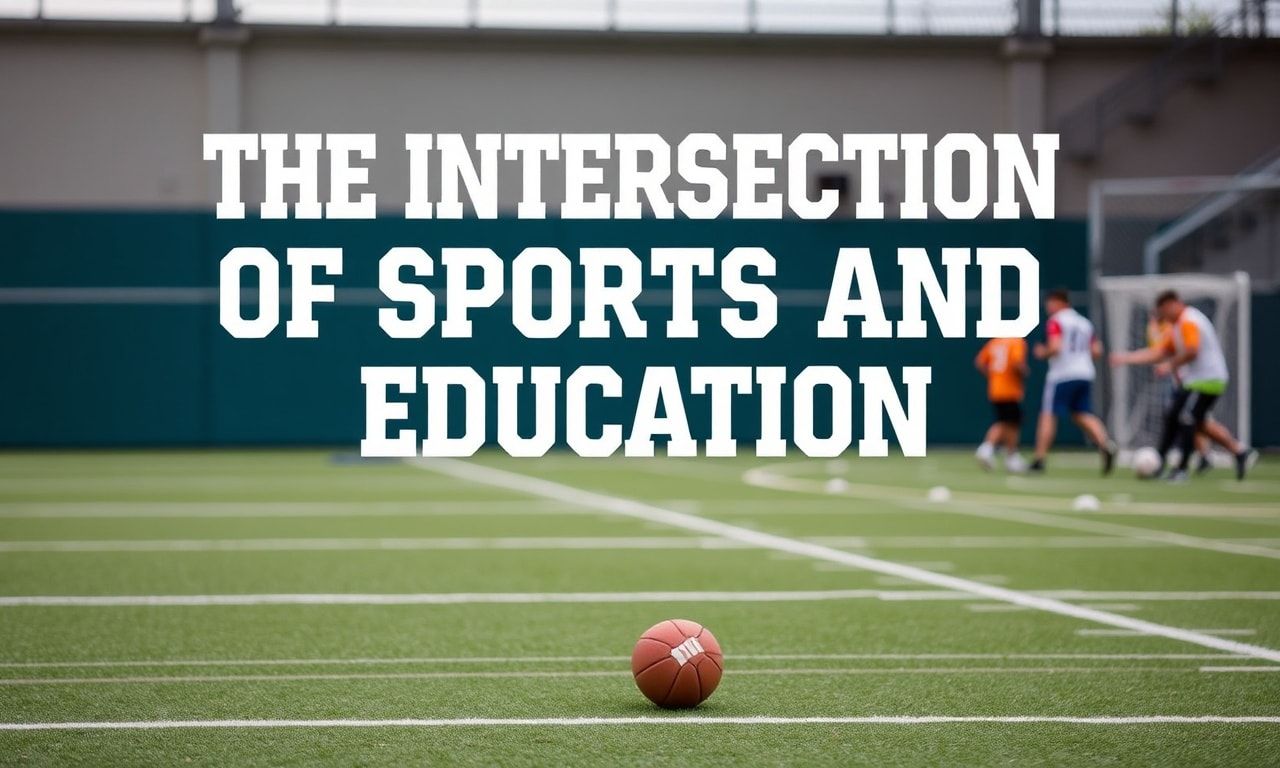
In the realm of athletics and fitness, the physical benefits are often the most celebrated. However, the impact of sports extends far beyond the playing field, influencing areas such as education policy and societal well-being. The correlation between physical activity and cognitive function has been a subject of extensive research, leading to significant shifts in how educational institutions approach fitness and sports programs. This article delves into the multifaceted role of sports in shaping educational policies and the broader implications for society.
The Role of Physical Education in Schools
Physical education (PE) has long been a staple in school curricula, but its importance is often underestimated. Regular physical activity has been shown to improve concentration, memory, and overall academic performance. Schools that prioritize PE programs often see a reduction in behavioral issues and an increase in student engagement. The integration of sports into the educational framework not only promotes physical health but also fosters teamwork, discipline, and leadership skills. These attributes are invaluable in the classroom and beyond, making sports an essential component of a well-rounded education.
Policy Changes and Their Impact
Recent years have seen a surge in policy changes aimed at enhancing the role of sports in education. Governments and educational bodies are increasingly recognizing the need for comprehensive fitness programs that cater to students of all ages and abilities. For instance, initiatives such as the Daily Mile, where students are encouraged to walk or run a mile each day, have gained traction in various parts of the world. These policies are designed to combat sedentary lifestyles and promote long-term health benefits. Additionally, the focus on inclusive sports programs ensures that all students, regardless of their physical capabilities, can participate and reap the benefits of physical activity. For more insights into the evolving landscape of education policy, you can explore the latest education policy changes in UK news.
Case Studies: Success Stories
Several schools and educational institutions have successfully implemented sports programs that have had a profound impact on their students. For example, a study conducted in Finland revealed that students who participated in regular physical activity showed significant improvements in their academic performance, particularly in subjects like mathematics and science. Similarly, in the United States, schools that have integrated sports into their curriculum have reported higher graduation rates and lower dropout rates. These success stories highlight the transformative power of sports in education and serve as a testament to the need for continued investment in fitness programs.
Team Analysis: The Role of Coaches and Mentors
Behind every successful sports program is a team of dedicated coaches and mentors who play a crucial role in shaping the lives of young athletes. These individuals not only teach the technical aspects of the sport but also instill values such as perseverance, resilience, and sportsmanship. The mentorship provided by coaches extends beyond the playing field, often influencing students’ academic and personal lives. Effective coaching strategies that combine physical training with life skills education can have a lasting impact on students, preparing them for future challenges and opportunities.
The Future of Sports in Education
As we look to the future, the role of sports in education is poised to become even more prominent. Technological advancements, such as wearable fitness trackers and virtual reality training, are revolutionizing the way sports are taught and practiced. These innovations provide educators with new tools to engage students and monitor their progress, ensuring that fitness programs are both effective and enjoyable. Furthermore, the growing emphasis on mental health awareness is leading to a more holistic approach to sports, where the well-being of athletes is prioritized. This shift is crucial in creating a supportive environment where students can thrive both physically and mentally.
Community Involvement and Partnerships
Community involvement plays a pivotal role in the success of sports programs in schools. Partnerships with local sports clubs, fitness centers, and community organizations can provide students with access to additional resources and opportunities. These collaborations not only enhance the quality of sports programs but also foster a sense of community and belonging. By working together, schools and community organizations can create a supportive ecosystem that promotes physical activity and healthy lifestyles.
Conclusion
The intersection of sports and education is a dynamic and evolving field that holds immense potential for shaping the future of our society. The benefits of physical activity extend far beyond the playing field, influencing academic performance, mental health, and overall well-being. As we continue to explore the role of sports in education, it is essential to advocate for policies that prioritize fitness and physical activity. By doing so, we can create a healthier, more engaged, and more successful generation of students who are equipped to face the challenges of the future.