The Evolution of Sports Fashion
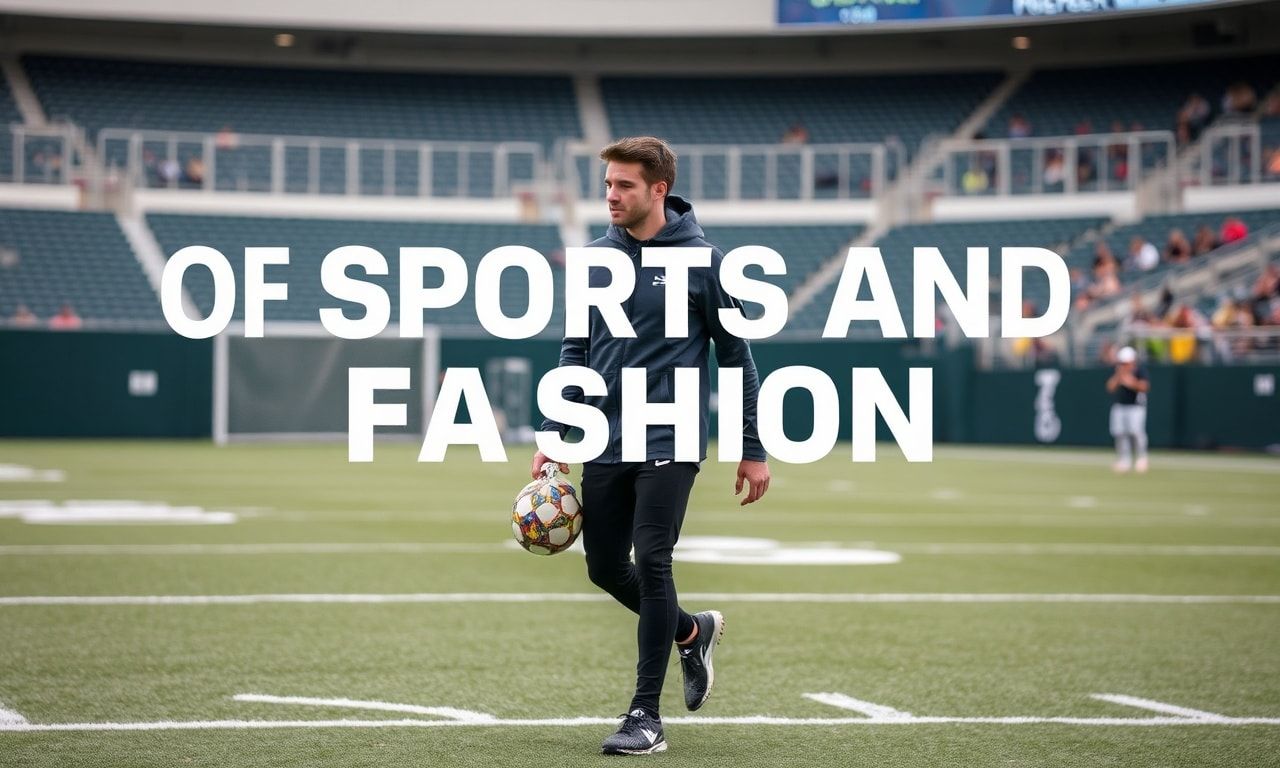
The world of sports has always been a playground for innovation, not just in terms of athletic performance but also in fashion. From the iconic tracksuits of the 1980s to the sleek, high-tech gear of today, sports fashion has evolved significantly. This evolution is not just about aesthetics; it’s about functionality, comfort, and performance. Athletes are no longer confined to traditional sportswear. They can express their personal style while maintaining peak performance. This shift has made sports fashion a significant part of the broader fashion industry.
One of the most notable changes in sports fashion is the emphasis on customization. Athletes now have the freedom to choose from a variety of colors, patterns, and designs that reflect their personalities. This trend has been driven by the increasing demand for individuality in sports. Athletes want to stand out, not just for their skills but also for their unique sense of style. This has led to a surge in the popularity of personalized sportswear, which allows athletes to express themselves while still adhering to team uniforms and regulations.
Another significant development in sports fashion is the integration of technology. High-tech fabrics and materials have revolutionized the way athletes dress. These materials are designed to enhance performance by providing better breathability, moisture-wicking, and temperature regulation. This has made sportswear more functional and comfortable, allowing athletes to focus on their performance without worrying about their clothing. The fusion of fashion and technology has created a new category of sportswear that is both stylish and practical.
The Role of Fashion in Team Dynamics
Fashion plays a crucial role in team dynamics. The way a team dresses can have a significant impact on their performance and morale. Team uniforms are not just about looking good; they are about creating a sense of unity and identity. A well-designed uniform can boost team spirit and foster a sense of belonging among team members. This is why many teams invest heavily in their uniforms, ensuring that they are not only stylish but also functional and comfortable.
In addition to uniforms, accessories also play a significant role in team fashion. Accessories such as caps, wristbands, and necklaces can add a personal touch to a team’s overall look. These accessories can be customized to reflect the team’s colors, logo, or even individual players’ preferences. For instance, a team might choose to wear pearl necklaces as a symbol of unity and elegance. If you’re looking for fashion tips on how to accessorize based on your body type, you might find our fashion tips body type guide helpful. It provides valuable insights into choosing the right accessories to complement your physique and style.
Team fashion is not just about looking good; it’s about creating a cohesive image that represents the team’s values and aspirations. A well-designed uniform can instill a sense of pride and confidence in team members, which can translate into better performance on the field. This is why many teams work closely with fashion designers to create uniforms that are not only stylish but also functional and comfortable. The result is a team that looks and feels united, ready to take on any challenge.
The Impact of Fashion on Athletic Performance
The impact of fashion on athletic performance cannot be overstated. The right clothing can make a significant difference in an athlete’s performance. For example, a well-fitted jersey can improve airflow and reduce drag, allowing athletes to move more freely and efficiently. Similarly, moisture-wicking fabrics can keep athletes dry and comfortable, even during intense physical activity. This can help them maintain their focus and energy levels, leading to better performance.
In addition to functionality, fashion can also have a psychological impact on athletic performance. The way an athlete dresses can affect their confidence and self-esteem. A stylish and well-fitted outfit can make an athlete feel more confident and self-assured, which can translate into better performance. This is why many athletes pay close attention to their fashion choices, ensuring that they not only look good but also feel good. The right outfit can boost an athlete’s morale and motivation, helping them to perform at their best.
Fashion can also play a role in injury prevention. The right clothing can provide support and protection, reducing the risk of injuries. For example, compression garments can improve blood flow and reduce muscle vibration, which can help prevent injuries and improve recovery. Similarly, padded clothing can provide protection against impacts and falls, reducing the risk of injuries. This is why many athletes choose to wear specialized sportswear that is designed to provide both style and protection.
The Future of Sports Fashion
The future of sports fashion is bright and promising. With the rapid advancements in technology and design, sportswear is becoming more innovative and functional. From smart fabrics that monitor heart rate and hydration levels to 3D-printed shoes that provide customized support, the possibilities are endless. These advancements are not just about improving performance; they are about enhancing the overall sports experience. Athletes can now enjoy the benefits of cutting-edge technology while still looking stylish and fashionable.
Another trend that is likely to shape the future of sports fashion is sustainability. As consumers become more environmentally conscious, there is a growing demand for sustainable and eco-friendly sportswear. Many brands are now using recycled materials and sustainable production methods to create sportswear that is not only stylish but also environmentally friendly. This trend is expected to continue, with more brands adopting sustainable practices and materials. The result is a more sustainable and eco-friendly sports industry that benefits both athletes and the environment.
The future of sports fashion is also likely to be more inclusive and diverse. As the sports industry becomes more diverse, there is a growing demand for sportswear that caters to different body types, sizes, and abilities. Many brands are now offering a wider range of sizes and styles to cater to this diverse market. This trend is expected to continue, with more brands embracing diversity and inclusivity in their designs. The result is a more inclusive and representative sports industry that celebrates diversity and individuality.
Conclusion
The intersection of sports and fashion is a fascinating and dynamic field that continues to evolve. From the evolution of sports fashion to the role of fashion in team dynamics, the impact of fashion on athletic performance, and the future of sports fashion, there are many aspects to explore. As the sports industry continues to grow and diversify, the role of fashion in sports is likely to become even more significant. Athletes and teams can benefit from the latest trends and innovations in sports fashion, enhancing their performance and style. Whether you’re a professional athlete or a casual sports enthusiast, understanding the role of fashion in sports can help you make informed choices and achieve your goals.