The Power of Sports in Shaping Global Dialogue
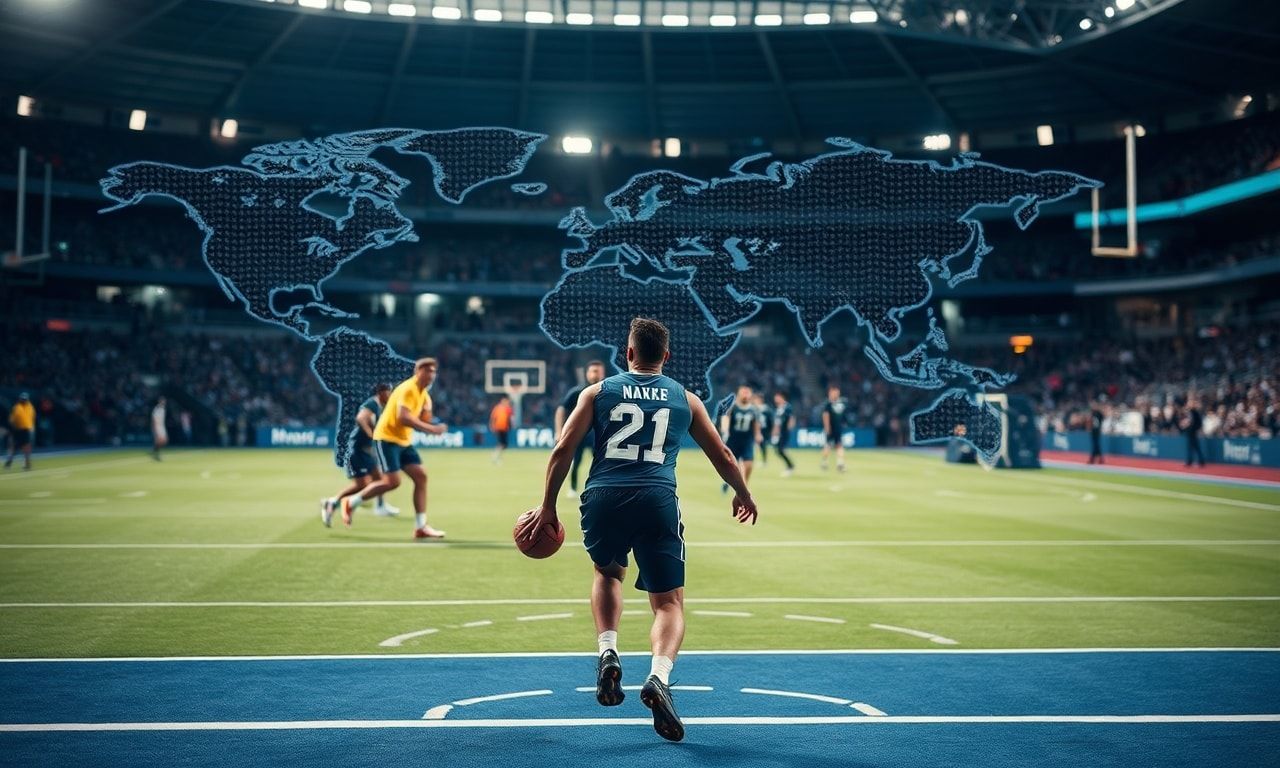
Sports have always been a powerful medium for bringing people together, transcending cultural, linguistic, and political barriers. In recent years, the intersection of sports and global politics has become increasingly prominent, with athletes using their platforms to advocate for social and political change. This phenomenon has not only reshaped the sports landscape but also influenced international relations and public discourse.
Athletes as Agents of Change
Athletes are no longer confined to their roles on the field; they are increasingly becoming influential voices in global politics. From Colin Kaepernick’s kneeling protests to Naomi Osaka’s advocacy for social justice, athletes are leveraging their visibility to address pressing issues. These actions have sparked conversations and mobilized movements, demonstrating the profound impact that sports figures can have on societal change.
For instance, the recent latest political summit highlights saw several athletes participating in panel discussions, emphasizing the importance of sports in fostering dialogue and understanding. This collaboration between sports and politics underscores the potential for athletes to bridge divides and promote unity.
The Role of International Sports Events
International sports events, such as the Olympics and the FIFA World Cup, serve as global stages where political messages can be conveyed. These events attract billions of viewers, providing an unparalleled opportunity for athletes to express their views on political issues. The Olympic Games, in particular, have a long history of political statements, from the famous Black Power salute at the 1968 Mexico City Olympics to the protests during the 2020 Tokyo Olympics.
These events not only highlight the athletes’ courage but also bring attention to critical issues, fostering a sense of global solidarity. The intersection of sports and politics in these contexts underscores the power of sports to influence international relations and public opinion.
The Impact of Sports Diplomacy
Sports diplomacy, the use of sports to build bridges between nations, has gained significant traction in recent years. Governments and international organizations are increasingly recognizing the value of sports in promoting peace and understanding. Initiatives such as the Peace and Sport Organization and the International Olympic Committee’s (IOC) Olympic Truce aim to leverage sports for conflict resolution and peacebuilding.
For example, the Olympic Truce, which calls for a cessation of hostilities during the Olympic Games, has been endorsed by the United Nations General Assembly. This initiative highlights the potential of sports to create a temporary pause in conflicts, allowing for dialogue and reconciliation. The success of such initiatives demonstrates the unique role that sports can play in fostering international cooperation and peace.
Case Studies in Sports Diplomacy
Several case studies illustrate the effectiveness of sports diplomacy. The famous “Ping Pong Diplomacy” between the United States and China in the 1970s is a prime example. The exchange of table tennis players between the two nations helped thaw diplomatic tensions and paved the way for the normalization of relations. This historic event showcased the power of sports to break down barriers and foster understanding.
Similarly, the 2010 FIFA World Cup in South Africa was a testament to the unifying power of sports. The tournament brought together people from diverse backgrounds, promoting a sense of national pride and unity. The success of the event highlighted the potential of sports to address social and political issues, fostering a more inclusive and cohesive society.
The Future of Sports and Politics
As the world continues to grapple with complex political and social challenges, the role of sports in shaping global dialogue will become increasingly important. Athletes will continue to use their platforms to advocate for change, and international sports events will serve as stages for political expression. The collaboration between sports and politics will likely deepen, with athletes and organizations working together to address pressing issues.
The future of sports and politics holds immense potential for positive change. By leveraging the power of sports, we can foster dialogue, promote understanding, and build a more inclusive and just world. The intersection of sports and politics is not just a trend; it is a powerful force for good that will continue to shape the global landscape.
In conclusion, the intersection of sports and global politics is a dynamic and evolving field. Athletes are increasingly using their platforms to advocate for change, and international sports events are serving as stages for political expression. The collaboration between sports and politics holds immense potential for fostering dialogue, promoting understanding, and building a more inclusive and just world. As we look to the future, the role of sports in shaping global dialogue will only continue to grow, highlighting the power of sports to influence international relations and public opinion.