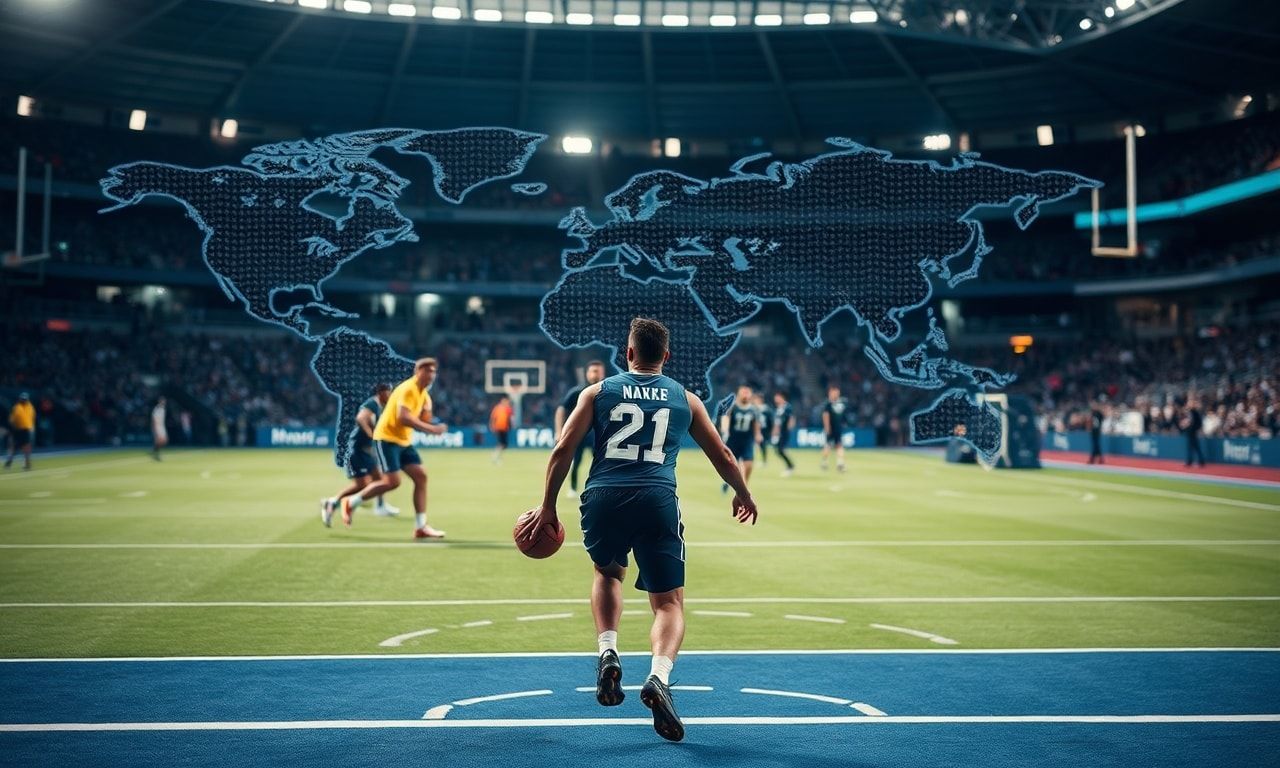
The Evolution of Sports Training
The landscape of sports training has evolved dramatically over the years. Gone are the days when athletes focused solely on physical conditioning. Today, the emphasis is on a holistic approach that includes mental agility, strategic thinking, and overall well-being. This shift is not just about enhancing performance but also about ensuring longevity and resilience in the face of competitive pressures.
Mental Agility: The New Frontier
Mental agility is a critical component of modern sports training. Athletes are now encouraged to engage in activities that sharpen their cognitive skills, such as problem-solving exercises, memory games, and even meditation. These practices help athletes make quicker decisions on the field, manage stress more effectively, and maintain focus under pressure. The interesting facts knowledge guide on cognitive training highlights how mental exercises can significantly improve reaction times and strategic thinking, giving athletes a competitive edge.
Strategic Thinking in Sports
Strategic thinking is another area where mental agility plays a crucial role. Coaches and athletes spend countless hours analyzing game footage, studying opponents, and devising strategies to outmaneuver their rivals. This process involves not just physical tactics but also psychological ones. Understanding the mental state of opponents and predicting their moves can be as important as physical conditioning. For example, in chess boxing, a hybrid sport that combines chess and boxing, mental strategy is just as vital as physical prowess. The ability to think several moves ahead can mean the difference between victory and defeat.
The Role of Technology
Technology has revolutionized sports training, providing athletes with tools to enhance both physical and mental performance. Wearable devices, for instance, monitor heart rate, sleep patterns, and other vital signs, offering insights into an athlete’s overall health and fitness. Virtual reality (VR) and augmented reality (AR) are also being used to simulate game scenarios, allowing athletes to practice and refine their skills in a controlled environment. These technologies not only improve physical performance but also help athletes develop mental resilience and strategic thinking.
Nutrition and Recovery
Nutrition and recovery are integral parts of modern sports training. Athletes are encouraged to follow a balanced diet that includes all essential nutrients, vitamins, and minerals. Proper nutrition fuels the body, enhances performance, and aids in recovery. Hydration is equally important, as dehydration can lead to fatigue, muscle cramps, and reduced cognitive function. Recovery techniques such as massage, stretching, and adequate sleep are also crucial. These practices help athletes recover faster, reduce the risk of injuries, and maintain peak performance levels.
Team Dynamics and Communication
Team dynamics and communication are essential for success in sports. Effective communication fosters trust, collaboration, and mutual respect among team members. It helps in coordinating strategies, managing conflicts, and maintaining a positive team environment. Coaches play a crucial role in facilitating communication and ensuring that all team members are on the same page. Regular team meetings, feedback sessions, and team-building activities can enhance communication and strengthen team bonds.
The Importance of Rest and Relaxation
Rest and relaxation are often overlooked but are vital for an athlete’s overall well-being. Adequate rest allows the body to recover from physical exertion and the mind to recharge. Engaging in relaxing activities such as reading, listening to music, or spending time with loved ones can help athletes unwind and reduce stress. It’s essential for athletes to find a balance between training and rest to maintain optimal performance and prevent burnout.
Conclusion
The modern approach to sports training is a holistic one that encompasses physical conditioning, mental agility, strategic thinking, technology, nutrition, recovery, team dynamics, and rest. This comprehensive approach not only enhances performance but also ensures the overall well-being of athletes. As the sports landscape continues to evolve, so too will the methods and techniques used to train and prepare athletes for competition. Embracing these changes and adapting to new challenges will be key to achieving success in the world of sports.