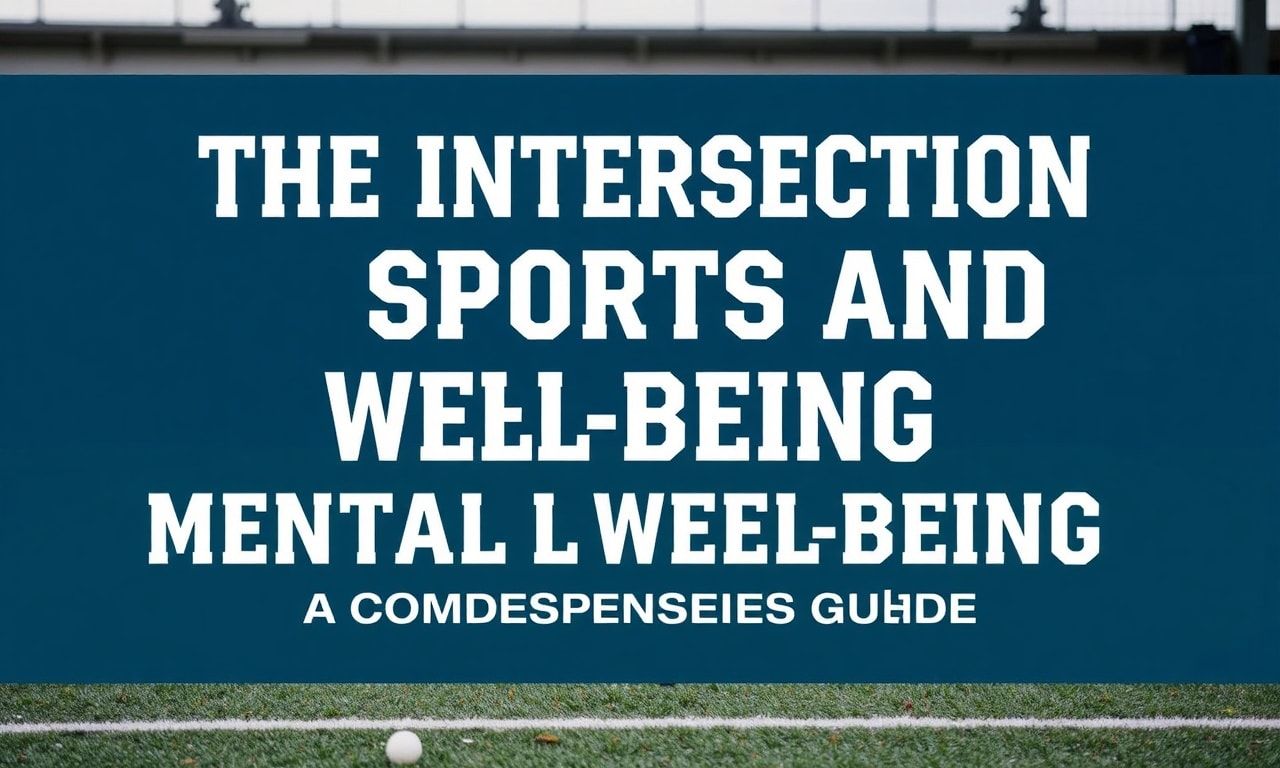
The Importance of Mental Health in Sports
In the high-stakes world of sports, physical prowess often takes center stage. However, the mental aspect of athleticism is equally crucial and deserves more attention. Mental health can significantly impact an athlete’s performance, resilience, and overall well-being. Understanding and addressing mental health issues can lead to better outcomes on and off the field.
Understanding the Pressure
Athletes face immense pressure from various sources, including coaches, fans, and personal expectations. The constant scrutiny and high expectations can lead to stress, anxiety, and even depression. Recognizing these pressures is the first step in addressing mental health issues in sports. It’s essential for athletes to have access to mental health resources and support systems to help them cope with these challenges.
The Role of Coaches and Teams
Coaches and teammates play a pivotal role in supporting an athlete’s mental health. Creating a supportive and inclusive team environment can foster a sense of belonging and reduce feelings of isolation. Coaches should be trained to recognize signs of mental health issues and provide appropriate support. Encouraging open communication and providing resources for mental health can make a significant difference in an athlete’s well-being.
Strategies for Maintaining Mental Well-being
Maintaining mental well-being is crucial for athletes to perform at their best. Here are some strategies that can help athletes stay mentally strong and resilient:
Mindfulness and Meditation
Mindfulness and meditation practices can help athletes stay focused and calm under pressure. These practices can improve concentration, reduce stress, and enhance overall mental well-being. Incorporating mindfulness into daily routines can help athletes manage stress and perform better in high-pressure situations.
Physical Activity and Exercise
Regular physical activity is not only beneficial for physical health but also for mental well-being. Exercise releases endorphins, which can improve mood and reduce stress. Engaging in physical activities that are enjoyable and challenging can help athletes stay motivated and mentally strong. Whether it’s a brisk walk, a yoga session, or a intense workout, staying active is key to maintaining mental health.
Healthy Lifestyle Choices
Making healthy lifestyle choices can significantly impact an athlete’s mental well-being. Eating a balanced diet, getting adequate sleep, and avoiding harmful substances can improve overall health and reduce the risk of mental health issues. Additionally, taking time for hobbies and interests outside of sports can provide a much-needed break and help athletes recharge.
For those looking to create a calming and supportive environment at home, exploring diy projects home decoration can be a great way to unwind and relax. Engaging in creative activities can provide a sense of accomplishment and reduce stress, making it an excellent complement to an athlete’s mental health routine.
The Impact of Mental Health on Performance
Mental health can significantly impact an athlete’s performance. Stress, anxiety, and depression can affect concentration, motivation, and overall performance. Addressing mental health issues can improve an athlete’s ability to focus, make decisions, and perform at their best. Investing in mental health resources and support can lead to better outcomes on and off the field.
Case Studies and Success Stories
Many athletes have spoken openly about their struggles with mental health and how they overcame these challenges. For example, Michael Phelps, the most decorated Olympian of all time, has been vocal about his battle with depression and how therapy and support helped him manage his mental health. These success stories highlight the importance of addressing mental health issues and seeking help when needed.
Resources and Support for Athletes
Athletes have access to a variety of resources and support systems to help them manage their mental health. Organizations like the National Athletic Trainers’ Association (NATA) and the National Collegiate Athletic Association (NCAA) provide resources and support for athletes struggling with mental health issues. Additionally, many sports teams and organizations have mental health professionals on staff to provide support and guidance.
Seeking Professional Help
Seeking professional help is a crucial step in addressing mental health issues. Mental health professionals can provide a safe and supportive environment for athletes to discuss their concerns and develop strategies for managing their mental health. Therapy, counseling, and medication can be effective treatments for mental health issues and can help athletes perform at their best.
Peer Support and Community
Peer support and community can be invaluable resources for athletes struggling with mental health issues. Connecting with other athletes who have faced similar challenges can provide a sense of belonging and support. Joining support groups or online communities can help athletes share their experiences and learn from others. Building a strong support network can make a significant difference in an athlete’s mental well-being.
In conclusion, mental health is a critical aspect of an athlete’s overall well-being and performance. Addressing mental health issues and providing support and resources can help athletes stay mentally strong and resilient. By prioritizing mental health, athletes can perform at their best and achieve their goals both on and off the field.
Discover how to elevate your game and daily life with sports and healthy habits, a must-read for athletes and fitness enthusiasts alike.
Whether you’re a professional athlete or a weekend warrior, it’s crucial to know your legal rights to protect yourself and your career. Dive into our comprehensive guide on your legal rights and stay informed.
Dive into the dynamic world of athletics and personal growth with our latest feature, sports and lifestyle balance, where we explore how to harmonize your passion for the game with overall well-being.