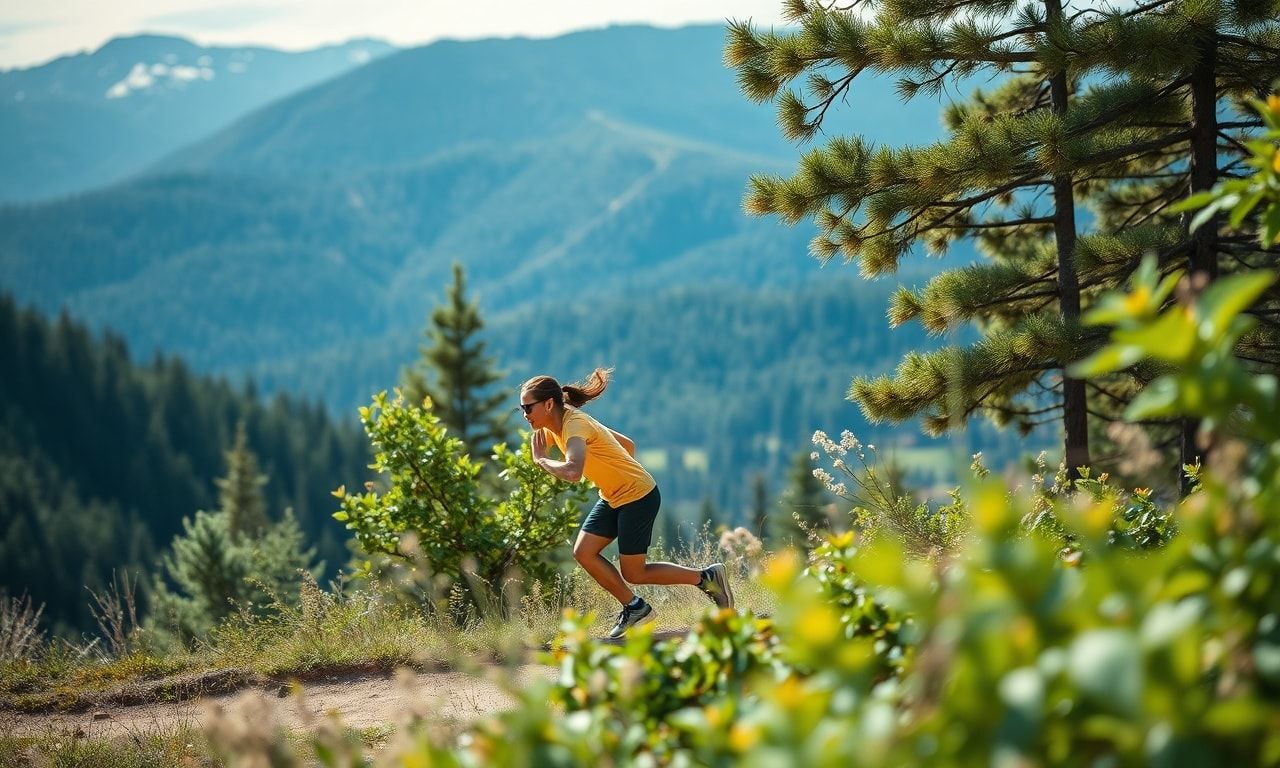
The Call of the Wild: Why Athletes Are Embracing Nature
In the high-octane world of sports, where every second counts and every move is scrutinized, athletes are increasingly turning to nature to boost their performance. The great outdoors offers a unique blend of challenges and rewards that can’t be replicated in a gym or on a track. From the serene beauty of a forest to the rugged terrain of a mountain, nature provides an unparalleled training ground for athletes seeking to push their limits.
But how exactly does nature enhance athletic performance? The answer lies in the multifaceted benefits that outdoor activities offer. These benefits range from physical improvements to mental well-being, all of which contribute to an athlete’s overall performance. Whether you’re a professional athlete or a weekend warrior, incorporating nature into your training regimen can yield significant results.
The Physical Benefits of Outdoor Training
One of the most obvious advantages of training outdoors is the varied terrain. Unlike the controlled environment of a gym, nature presents unpredictable surfaces and obstacles that challenge the body in new ways. Running on trails, for instance, engages different muscle groups compared to running on a treadmill. The uneven ground forces the body to adapt, improving balance, stability, and overall strength.
Moreover, outdoor activities often involve a full-body workout. Hiking, rock climbing, and even leisurely walks in the park require the use of multiple muscle groups. This holistic approach to fitness can lead to improved endurance, flexibility, and coordination. For athletes, this means better performance in their respective sports, whether it’s on the field, court, or track.
The Mental Health Advantages
The mental health benefits of spending time in nature are well-documented. Studies have shown that exposure to natural environments can reduce stress, anxiety, and depression. For athletes, who often face immense pressure to perform, this can be a game-changer. A clear, focused mind is crucial for peak performance, and nature provides the perfect setting for mental rejuvenation.
In addition to reducing stress, nature also enhances creativity and problem-solving skills. The serene environment allows athletes to disconnect from the noise of daily life and tap into their inner reserves of creativity. This can translate into innovative strategies and techniques on the field, giving athletes a competitive edge.
Building a Community of Nature Enthusiasts
For many athletes, the social aspect of outdoor activities is equally important. Engaging in sports like trail running, mountain biking, or even yoga in the park fosters a sense of community. Sharing these experiences with like-minded individuals can be incredibly motivating and inspiring. It’s not just about the physical benefits; it’s about the connections made along the way.
If you’re an athlete looking to connect with fellow nature lovers, consider exploring platforms that bring together people with similar interests. For instance, you can find a community of forest enthusiasts on Instagram and grow your network with the help of an Instagram follower service for forest lovers. This can be a great way to share your outdoor adventures, learn from others, and stay motivated.
Practical Tips for Incorporating Nature into Your Training
Ready to take your training to the great outdoors? Here are some practical tips to get you started:
- Start Small: Begin with short, manageable outdoor activities and gradually increase the intensity and duration. This will help your body adapt to the new challenges.
- Choose the Right Gear: Invest in quality outdoor gear that suits your needs. Whether it’s a good pair of running shoes or a sturdy backpack, having the right equipment can make a big difference.
- Explore Different Terrains: Mix up your routine by exploring different types of terrain. This will keep your workouts interesting and challenge your body in new ways.
- Stay Hydrated and Fueled: Outdoor activities can be physically demanding, so make sure to stay hydrated and fueled. Pack plenty of water and snacks to keep your energy levels up.
- Listen to Your Body: Pay attention to how your body responds to outdoor training. If you feel fatigued or sore, take a break and allow your body to recover.
The Future of Sports and Nature
As more athletes recognize the benefits of outdoor training, the intersection of sports and nature is likely to become even more prominent. From professional teams incorporating nature retreats into their training regimens to individual athletes seeking solace in the great outdoors, the trend is clear: nature is a powerful ally in the pursuit of athletic excellence.
In conclusion, the great outdoors offers a wealth of opportunities for athletes to enhance their performance, both physically and mentally. By embracing nature, athletes can unlock their full potential and achieve new heights in their respective sports. So, lace up your boots, step outside, and let the call of the wild guide you to greater success.
Discover how today’s athletes are mastering the digital game with our deep dive into sports and social media strategies, revealing how online platforms are reshaping the athletic landscape.
Dive into the fascinating intersection of sports and social media with our latest feature, Instagram’s impact on athletics, and discover how this platform is reshaping the game for athletes and fans alike.
As sports enthusiasts, we’re always looking for ways to enhance our viewing experience, so dive into how video content has evolved to bring you closer to the action.