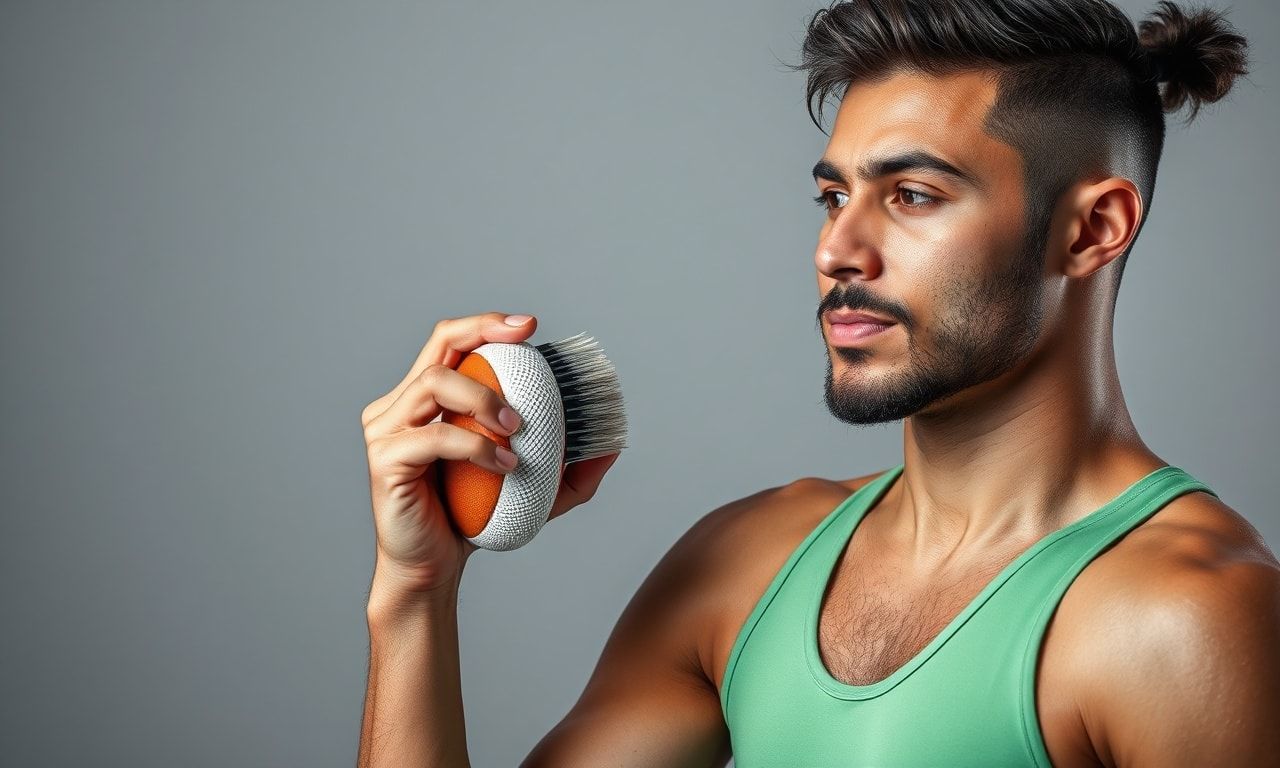
The Importance of Personal Grooming in Sports
In the high-stakes world of professional sports, athletes are not only judged on their performance but also on their appearance. Personal grooming has become an integral part of an athlete’s brand, influencing how they are perceived by fans, sponsors, and the media. From meticulously maintained facial hair to perfectly coiffed hair, athletes understand the importance of presenting a polished image both on and off the field.
Grooming is not just about aesthetics; it’s also about confidence. A well-groomed athlete often feels more self-assured, which can translate into better performance. Whether it’s a clean-shaven look or a well-maintained beard, athletes take pride in their appearance, knowing that it can impact their overall presence in the sports arena.
The Role of Facial Hair in Sports
Facial hair has become a significant trend in the sports world, with many athletes sporting beards or mustaches. This trend is not just a fashion statement but also a way for athletes to express their individuality. Facial hair can be a symbol of masculinity, toughness, and even team spirit. For example, during the playoffs, many hockey players grow beards as a sign of solidarity and good luck.
However, maintaining facial hair can be challenging, especially for athletes who are constantly on the move. Regular trimming and grooming are essential to keep facial hair looking sharp. For those who struggle with patchy or thin beard growth, options like a hair transplant for beard hair can be a game-changer, providing a fuller, more uniform appearance that complements their athletic image.
The Evolution of Athlete Grooming Standards
Grooming standards for athletes have evolved significantly over the years. In the past, athletes were often expected to have a clean-cut appearance, with short hair and no facial hair. However, as societal norms have changed, so have the expectations for athletes. Today, athletes are free to express themselves through their hairstyles and facial hair, as long as it doesn’t interfere with their performance.
This shift in grooming standards has been influenced by various factors, including the rise of social media and the increasing diversity in sports. Athletes are now more connected to their fans than ever before, and their appearance plays a crucial role in their personal branding. Social media platforms like Instagram and Twitter allow athletes to showcase their personal style, further emphasizing the importance of grooming in the sports world.
Grooming Tips for Athletes
Maintaining a well-groomed appearance requires effort and dedication. Here are some grooming tips for athletes looking to up their game:
- Regular Haircuts: Regular haircuts are essential for keeping hair looking neat and tidy. Athletes should schedule regular appointments with a trusted barber or stylist to maintain their desired hairstyle.
- Skincare Routine: A good skincare routine is crucial for athletes, especially those with facial hair. Regular cleansing, exfoliation, and moisturizing can help keep skin healthy and prevent issues like acne and ingrown hairs.
- Beard Maintenance: For athletes with facial hair, regular trimming and shaping are essential. Investing in a high-quality beard trimmer and using beard oil can help keep facial hair looking its best.
- Hydration and Nutrition: Proper hydration and nutrition are key to maintaining healthy hair and skin. Athletes should ensure they are drinking enough water and consuming a balanced diet rich in vitamins and minerals.
The Impact of Grooming on Performance
While grooming is often seen as a secondary concern in sports, it can have a significant impact on an athlete’s performance. A well-groomed athlete is likely to feel more confident and self-assured, which can translate into better performance on the field. Additionally, good grooming habits can help athletes maintain their physical health, as regular skincare and haircare can prevent issues that might otherwise distract from their training and competition.
Furthermore, grooming can also play a role in injury prevention. For example, athletes with long hair should ensure it is tied back securely to prevent it from getting in the way during play. Similarly, athletes with facial hair should keep it well-groomed to avoid any discomfort or irritation during physical activity.
Conclusion
In the competitive world of professional sports, personal grooming is more important than ever. Athletes understand the significance of presenting a polished image, both on and off the field. From facial hair trends to regular skincare routines, grooming is an essential aspect of an athlete’s overall presence and performance. By prioritizing grooming, athletes can enhance their confidence, maintain their health, and ultimately, excel in their chosen sport.