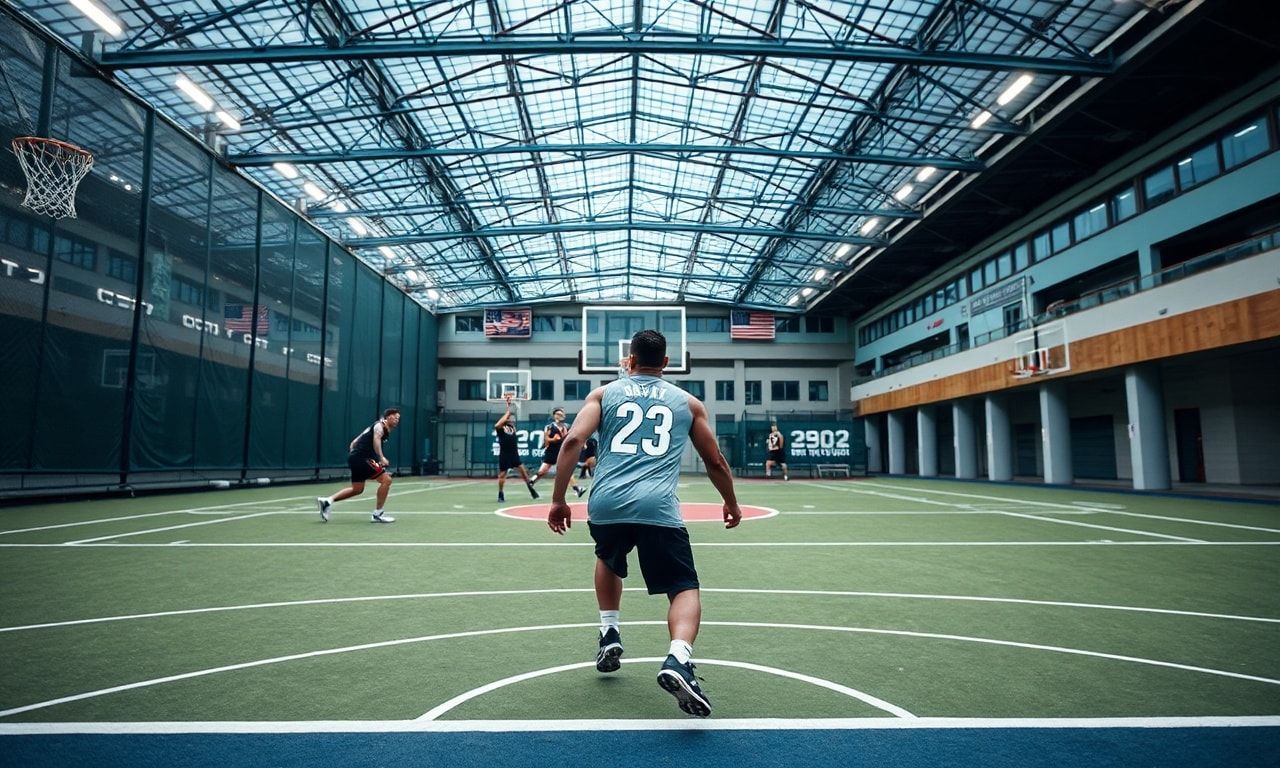
The Evolution of Sports Infrastructure
The world of sports is continually evolving, not just in terms of athletic performance and strategies, but also in the infrastructure that supports it. From state-of-the-art stadiums to advanced training facilities, the development of sports infrastructure plays a pivotal role in shaping the future of athletics. As cities grow and urban landscapes change, the need for robust transport infrastructure news update becomes increasingly important to ensure that athletes and fans can access these facilities seamlessly.
The Impact of Transport Infrastructure on Sports
Efficient transport infrastructure is crucial for the success of any sports event or training program. Athletes need reliable and quick access to training facilities, competition venues, and other essential services. For instance, a well-connected transport network can significantly reduce travel time, allowing athletes to focus more on their training and less on the logistics of getting to their destinations. Additionally, for fans and spectators, easy access to sports venues enhances their overall experience and encourages greater participation in sports events.
In recent years, there has been a notable push towards integrating sports infrastructure with urban development plans. Cities around the world are investing heavily in transport infrastructure to support major sporting events and to create a lasting legacy that benefits both athletes and the local community. For example, the development of new metro lines, highways, and public transport systems can facilitate the movement of large crowds, ensuring that events run smoothly and efficiently.
Case Studies: Cities Leading the Way
Several cities have set excellent examples of how transport infrastructure can be leveraged to support sports. Tokyo, for instance, made significant improvements to its transport network in preparation for the 2020 Olympic Games. The city introduced new train lines and expanded existing ones to handle the increased passenger load during the event. Similarly, London’s transport infrastructure underwent substantial upgrades ahead of the 2012 Olympic Games, including the expansion of the Jubilee Line and the introduction of new bus routes.
These case studies highlight the importance of forward-thinking urban planning that integrates sports infrastructure with broader transport networks. By doing so, cities can not only host major sporting events successfully but also enhance the overall quality of life for their residents. The ripple effects of such investments can be seen in increased tourism, economic growth, and a more active and engaged community.
The Role of Technology in Modern Sports Infrastructure
Technology has revolutionized the way sports infrastructure is designed and managed. From smart stadiums equipped with advanced security systems and energy-efficient lighting to digital platforms that streamline ticket sales and fan engagement, technology is playing a pivotal role in enhancing the sports experience. Additionally, the use of data analytics and artificial intelligence can help optimize transport routes and manage traffic flow during major events, ensuring that athletes and fans can move around with ease.
One notable example is the use of smart ticketing systems that integrate with public transport networks. These systems allow fans to purchase tickets for both the event and their transport in a single transaction, simplifying the process and reducing the risk of overcrowding. Furthermore, real-time traffic monitoring and dynamic routing algorithms can help manage the flow of people more effectively, minimizing delays and enhancing the overall experience.
Sustainable Sports Infrastructure
As the world becomes more conscious of environmental issues, there is a growing emphasis on sustainable sports infrastructure. Green building practices, renewable energy sources, and eco-friendly transport solutions are becoming integral parts of modern sports facilities. For instance, the use of solar panels to power stadiums, rainwater harvesting systems, and the integration of green spaces within sports complexes are all examples of how sustainability can be incorporated into sports infrastructure.
Sustainable transport infrastructure is equally important. Electric buses, bike-sharing programs, and pedestrian-friendly designs can all contribute to a more sustainable and healthier urban environment. By prioritizing sustainability in sports infrastructure, cities can not only reduce their carbon footprint but also set a positive example for other sectors to follow.
The Future of Sports Infrastructure
The future of sports infrastructure is bright, with continued advancements in technology, sustainability, and urban planning set to shape the way we experience sports. As cities continue to grow and evolve, the need for integrated and efficient transport infrastructure will become even more critical. By investing in smart, sustainable, and accessible sports facilities, cities can create a lasting legacy that benefits athletes, fans, and the community as a whole.
In conclusion, the intersection of sports and urban development is a dynamic and exciting field. As we look to the future, the role of transport infrastructure in supporting athletic success cannot be overstated. By embracing innovation and sustainability, we can create sports facilities that are not only functional and efficient but also inspiring and inclusive. The journey towards a more connected and sustainable sports landscape is well underway, and the possibilities are endless.