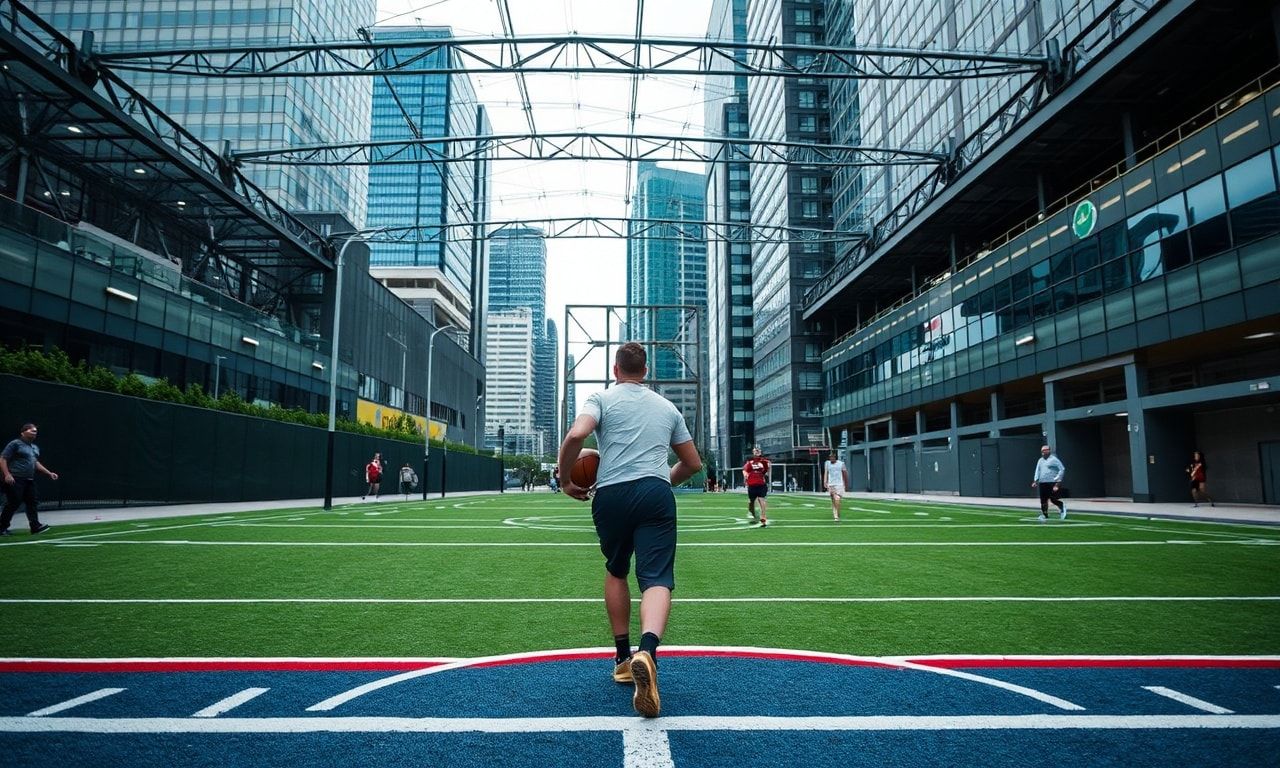
The Evolving Landscape of Sports Infrastructure
The world of sports is constantly evolving, not just in terms of athletic performance and strategies, but also in the infrastructure that supports it. From state-of-the-art stadiums to advanced training facilities, the physical environment plays a crucial role in shaping the future of athletics. As cities grow and develop, the need for robust transport infrastructure becomes increasingly important, not just for the general public, but for athletes and sports enthusiasts alike.
The Role of Transport in Sports
Efficient transport infrastructure is vital for the smooth operation of sports events and the daily routines of athletes. Whether it’s getting to training sessions, traveling to away games, or ensuring fans can easily access stadiums, reliable transport networks are essential. Recent developments in transport infrastructure, as highlighted in the transport infrastructure news update, underscore the importance of integrating sports facilities into broader urban planning. This ensures that athletes and spectators can move seamlessly, enhancing the overall sports experience.
Case Studies: Cities Leading the Way
Several cities around the world have set excellent examples of how to integrate sports infrastructure with urban development. For instance, Tokyo’s preparations for the 2020 Olympics saw significant upgrades to its transport system, including new train lines and expanded metro services. Similarly, London’s transport network has been a cornerstone of its success in hosting major sporting events, from the Olympics to the FIFA World Cup. These cities demonstrate how investing in transport can elevate the profile of sports and make events more accessible to a global audience.
The Impact on Local Communities
Improved transport infrastructure not only benefits athletes and event organizers but also has a positive impact on local communities. Enhanced connectivity can boost local economies by attracting more visitors and creating job opportunities. Additionally, better transport links can encourage more people to participate in sports and fitness activities, promoting healthier lifestyles. For example, the development of new bike lanes and pedestrian paths can make it easier for residents to engage in outdoor activities, fostering a culture of fitness and well-being.
Challenges and Considerations
While the benefits of integrating sports infrastructure with urban development are clear, there are also challenges to consider. One of the main obstacles is the cost of such projects, which can be prohibitive for many cities. Additionally, ensuring that new infrastructure is sustainable and environmentally friendly is a growing concern. Balancing the needs of athletes, spectators, and local residents while minimizing the environmental impact requires careful planning and innovative solutions.
Innovative Solutions
To address these challenges, cities are exploring innovative solutions that combine technology and sustainability. For example, the use of electric buses and trams can reduce emissions while providing efficient transport for sports events. Smart ticketing systems and real-time traffic management can also improve the overall experience for both athletes and fans. By leveraging technology, cities can create transport networks that are not only efficient but also environmentally responsible.
The Future of Sports Infrastructure
Looking ahead, the future of sports infrastructure is likely to be shaped by advancements in technology and a greater emphasis on sustainability. The integration of smart technologies, such as IoT sensors and AI-driven traffic management, can enhance the efficiency and safety of transport networks. Additionally, the growing focus on green initiatives, such as renewable energy and eco-friendly materials, will play a crucial role in shaping the sports facilities of tomorrow. As cities continue to evolve, the synergy between sports and urban development will become even more pronounced, creating new opportunities for athletes and fans alike.
Conclusion
In conclusion, the intersection of sports and urban development is a dynamic and evolving field. The role of transport infrastructure in shaping the future of athletics cannot be overstated. By investing in robust and sustainable transport networks, cities can enhance the sports experience for athletes and fans, while also promoting healthier and more vibrant communities. As we look to the future, the integration of technology and sustainability will be key to creating sports infrastructure that is not only efficient but also environmentally responsible. The journey towards a more connected and sustainable sports world is well underway, and the possibilities are endless.