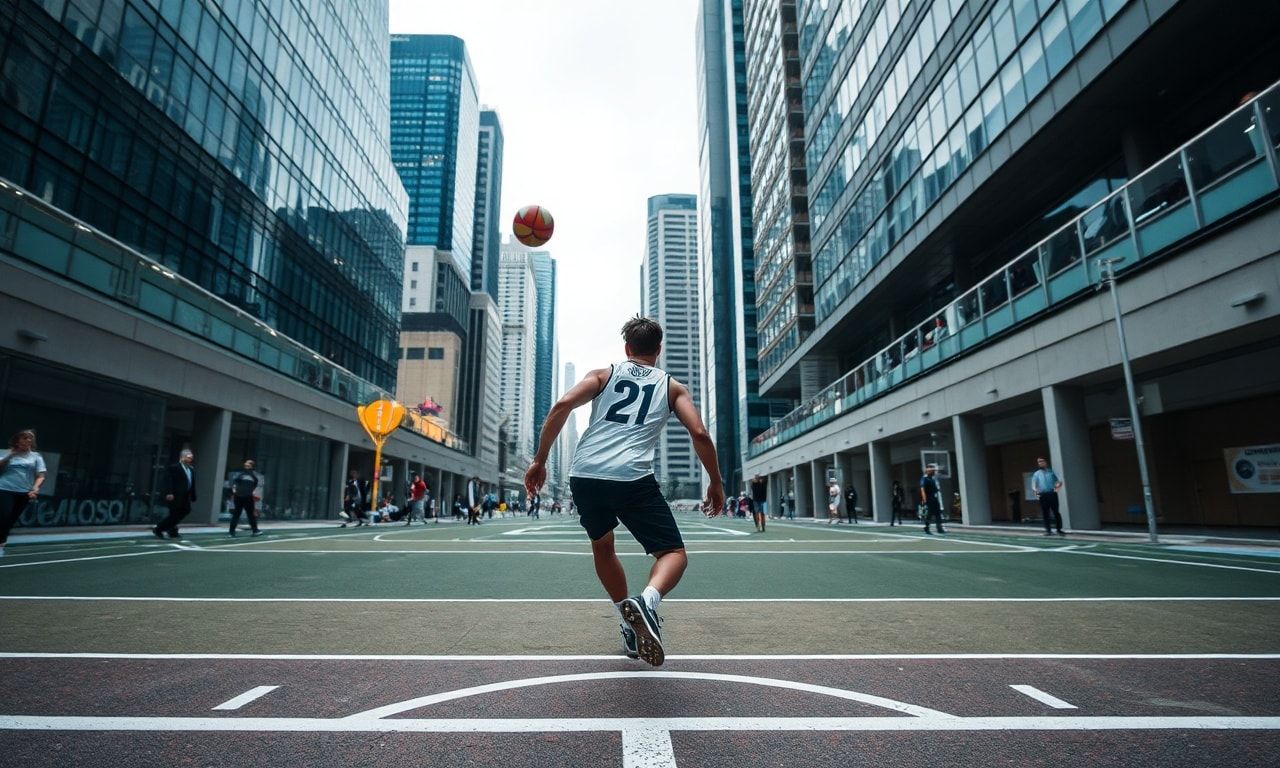
The Evolution of Urban Sports
The landscape of sports is undergoing a significant transformation, with urban recreation becoming a pivotal aspect of athletic culture. Cities around the world are increasingly integrating sports into their urban planning, creating spaces that foster fitness, community engagement, and healthy lifestyles. This shift is not only redefining how people engage with sports but also enhancing the overall quality of urban life.
The Role of Parks in Promoting Sports
Parks have always been at the heart of urban recreation, serving as venues for a wide range of sports activities. From soccer and basketball to jogging and yoga, parks provide the necessary infrastructure for both amateur and professional athletes. In cities like Shanghai, the integration of sports facilities within parks has become a cornerstone of urban recreation. For instance, the Shanghai parks recreation activities showcase how urban planning can effectively support a diverse array of sports, making them accessible to all residents.
Case Study: Shanghai’s Urban Sports Initiatives
Shanghai has emerged as a leader in promoting urban sports through its innovative use of public spaces. The city’s parks are equipped with state-of-the-art facilities that cater to various sports, including running tracks, basketball courts, and even outdoor fitness equipment. These initiatives have not only encouraged physical activity but also fostered a sense of community among residents. The success of Shanghai’s urban sports programs highlights the potential for other cities to adopt similar strategies to enhance public health and well-being.
Benefits of Urban Sports
Engaging in sports within urban settings offers numerous benefits. Firstly, it promotes physical health by providing opportunities for regular exercise. Secondly, it enhances mental well-being by reducing stress and improving mood. Additionally, urban sports foster social interaction, allowing individuals to connect with others who share similar interests. This social aspect is crucial for building a sense of community and belonging, which is essential for a healthy and vibrant urban environment.
Physical Health Benefits
Regular participation in sports activities can significantly improve physical health. Activities such as running, cycling, and team sports help to build cardiovascular endurance, strengthen muscles, and improve overall fitness levels. By incorporating sports into daily routines, individuals can reduce the risk of chronic diseases such as obesity, diabetes, and heart disease. Urban parks and recreational facilities play a vital role in making these activities accessible to a wide range of people, regardless of their fitness levels.
Mental Health Benefits
The mental health benefits of engaging in sports are equally significant. Physical activity stimulates the production of endorphins, which are natural mood enhancers. This can help to alleviate symptoms of depression and anxiety. Additionally, participating in sports provides a sense of accomplishment and can boost self-esteem. The social interactions that often accompany sports activities further contribute to mental well-being by providing a support network and reducing feelings of isolation.
Challenges and Solutions
Despite the numerous benefits of urban sports, there are several challenges that cities must address to fully realize their potential. One of the primary challenges is the limited availability of space in densely populated urban areas. To overcome this, cities can adopt creative solutions such as vertical gardens, rooftop sports facilities, and multi-purpose recreational areas. Additionally, investing in community engagement programs can help to ensure that these facilities are utilized to their fullest potential.
Space Constraints
In many urban areas, space is a precious commodity. However, innovative urban planning can help to maximize the use of available space. For example, vertical gardens and rooftop sports facilities can provide additional areas for physical activity without taking up valuable ground space. Multi-purpose recreational areas that can be used for a variety of sports and activities can also help to optimize the use of urban space. By thinking creatively, cities can overcome the challenge of limited space and create environments that support active lifestyles.
Community Engagement
Ensuring that urban sports facilities are utilized effectively requires community engagement. Cities can achieve this by involving residents in the planning and design of recreational spaces. This not only ensures that the facilities meet the needs of the community but also fosters a sense of ownership and responsibility. Additionally, organizing regular sports events and competitions can help to promote the use of these facilities and build a sense of community among residents.
Future Trends in Urban Sports
The future of urban sports is bright, with several emerging trends set to shape the landscape of athletic culture. One of the most significant trends is the integration of technology into sports facilities. Smart fitness equipment, wearable technology, and mobile apps are increasingly being used to enhance the sports experience. These technologies provide real-time feedback, track progress, and offer personalized training programs, making it easier for individuals to achieve their fitness goals.
Technology Integration
The integration of technology into urban sports facilities is revolutionizing the way people engage in physical activity. Smart fitness equipment, for example, can provide real-time feedback on performance, helping individuals to improve their technique and achieve their fitness goals. Wearable technology, such as fitness trackers and smartwatches, allows users to monitor their heart rate, calories burned, and other metrics. Mobile apps offer personalized training programs and connect users with a community of like-minded individuals, providing motivation and support.
Sustainable Urban Sports
Sustainability is another key trend in urban sports. Cities are increasingly focusing on creating eco-friendly recreational spaces that minimize their environmental impact. This includes the use of renewable energy sources, such as solar panels, and the implementation of green infrastructure, such as rain gardens and green roofs. By prioritizing sustainability, cities can create sports facilities that are not only beneficial for residents but also for the environment.
Conclusion
The intersection of sports and urban recreation is transforming the way cities approach physical activity and community engagement. By integrating sports into urban planning, cities can promote physical and mental well-being, foster social interaction, and create sustainable environments. The success of initiatives like those in Shanghai demonstrates the potential for other cities to adopt similar strategies and enhance the quality of urban life. As technology and sustainability continue to shape the future of urban sports, the possibilities for creating vibrant and healthy communities are endless.
As athletes and fitness enthusiasts, we often face unique challenges in balancing our faith with the demands of our sport; discover how to navigate these complexities in faith in modern times.