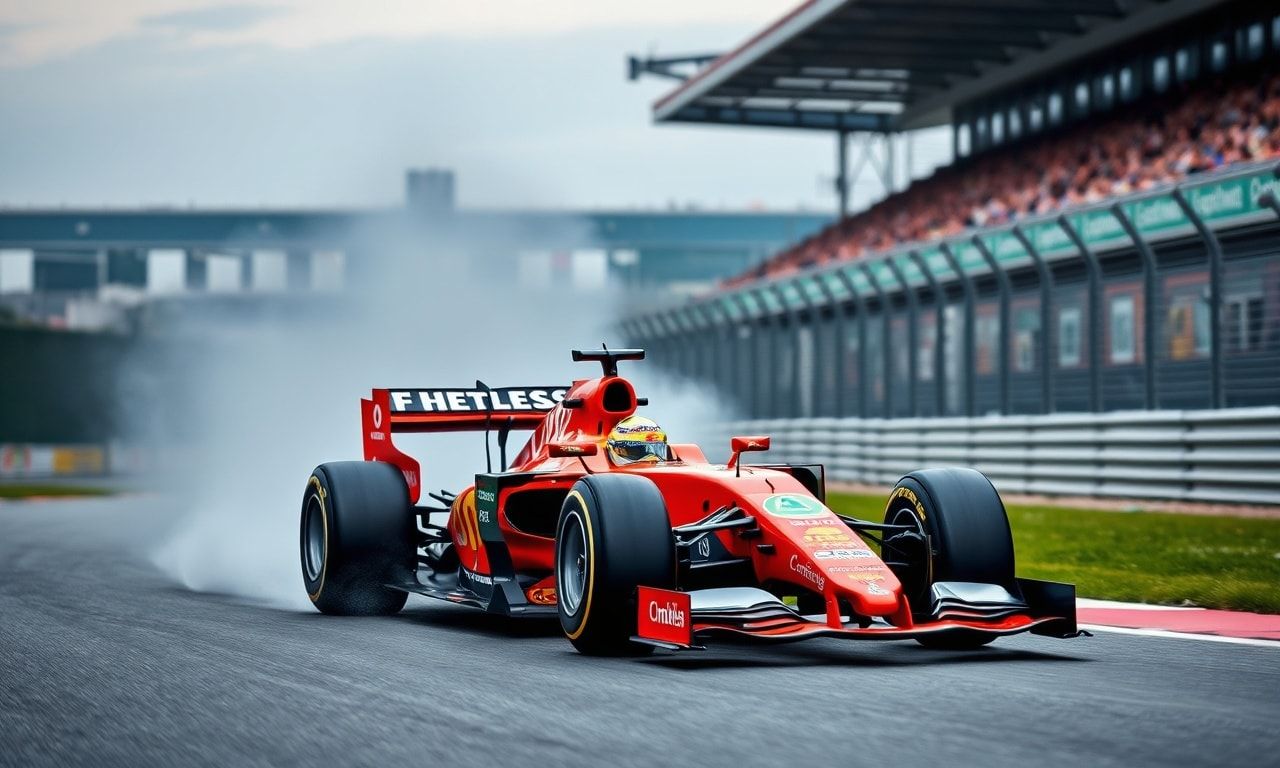
The Pinnacle of Motorsport
Formula One, often abbreviated as F1, is the highest class of single-seater auto racing, sanctioned by the Fédération Internationale de l’Automobile (FIA). It is a sport that combines cutting-edge technology, raw speed, and strategic prowess, making it one of the most exhilarating spectacles in the world of sports. The sport’s global appeal is undeniable, with races held in iconic locations such as Monaco, Silverstone, and Suzuka, drawing millions of fans and viewers worldwide.
The Evolution of Formula One
The origins of Formula One can be traced back to the 1920s and 1930s, with the formalization of the sport occurring in 1946. Since then, it has evolved significantly, with advancements in aerodynamics, engine technology, and safety measures. The introduction of turbocharged engines in the 1970s, the dominance of turbocharged V6 engines in the 1980s, and the shift to hybrid power units in the 2010s are just a few milestones that highlight the sport’s continuous evolution. Today, Formula One cars are marvels of engineering, capable of reaching speeds exceeding 370 km/h (230 mph) and accelerating from 0 to 100 km/h (0 to 62 mph) in under 2.6 seconds.
The Role of Technology
Technology plays a pivotal role in Formula One, not just in the cars but also in the way races are managed and broadcasted. The use of telemetry allows teams to monitor and adjust car performance in real-time, while advanced simulation software aids in designing and testing new components. The sport’s commitment to innovation is evident in its push for sustainability, with the introduction of hybrid power units and plans to become carbon neutral by 2030. Additionally, the use of virtual reality and augmented reality is enhancing the fan experience, providing immersive ways to engage with the sport.
The Grand Prix Format
A Formula One season consists of a series of races, known as Grands Prix, held on purpose-built circuits and public roads. Each race weekend typically includes practice sessions, qualifying sessions, and the main race. The qualifying sessions determine the starting grid for the race, with the fastest driver securing the pole position. The main race usually spans around 305 km (190 miles) and lasts approximately 90 minutes, with the winner being the first driver to complete a set number of laps. The points system rewards the top ten finishers, with the winner receiving 25 points, the second-place finisher 18 points, and so on, down to 1 point for the tenth-place finisher.
The Championship Points System
The championship points system is designed to reward consistency and performance throughout the season. Drivers and constructors accumulate points based on their race results, with the driver and constructor with the most points at the end of the season being crowned champions. The current points system has been in place since 2010 and has contributed to some of the most thrilling championship battles in the sport’s history. The introduction of the sprint races in recent years has added another layer of excitement, with additional points awarded for the top finishers in these shorter races.
The Legends of Formula One
Formula One has been graced by numerous legendary drivers who have left an indelible mark on the sport. Names like Juan Manuel Fangio, Ayrton Senna, Alain Prost, and Michael Schumacher are synonymous with excellence and have set benchmarks that continue to inspire new generations of drivers. These legends have not only showcased exceptional driving skills but have also contributed to the sport’s development through their innovations and leadership. Their stories of triumph, tragedy, and resilience are an integral part of Formula One’s rich tapestry.
The Impact of Safety Measures
The sport has made significant strides in safety, thanks in large part to the efforts of these legends and the governing bodies. The introduction of the halo device, improved crash structures, and better medical protocols have greatly reduced the risk of serious injuries. The tragic loss of Ayrton Senna and Roland Ratzenberger in 1994 was a turning point that led to comprehensive safety reforms, making Formula One safer for drivers and spectators alike. Today, the sport continues to prioritize safety, with ongoing research and development aimed at minimizing risks and enhancing protection.
The Future of Formula One
The future of Formula One is bright, with several exciting initiatives on the horizon. The sport is committed to becoming more sustainable, with plans to introduce 100% sustainable fuels by 2030 and achieve carbon neutrality by 2030. The introduction of new technical regulations in 2022 aimed to improve competition and reduce costs, making the sport more accessible to new teams. Additionally, the use of advanced technologies such as artificial intelligence and machine learning is expected to enhance the fan experience and provide deeper insights into the sport. The ongoing expansion into new markets, such as the United States and Asia, is also set to broaden the sport’s global appeal.
For the latest updates on race results and standings, fans can refer to reliable sources like formula one race results update. Staying informed about the sport’s dynamic landscape ensures that fans are always up-to-date with the latest developments and can fully appreciate the thrilling world of Formula One.
The Role of Fans
Fans play a crucial role in the success and growth of Formula One. Their passion, loyalty, and support create an electric atmosphere at race events and contribute to the sport’s global appeal. The sport’s commitment to enhancing the fan experience is evident in the use of advanced technologies, interactive platforms, and engaging content. Fans are not just spectators but active participants in the sport’s ecosystem, shaping its future through their feedback and engagement. The sport’s ability to connect with fans on a personal level is a testament to its enduring appeal and the power of its community.