Every athlete knows the sting of post-game swelling—the tightness, the discomfort, the nagging reminder that the body has been pushed to its limits. But what if the secret to quicker recovery isn’t just in ice packs or rest, but on your plate? Swelling, or inflammation, is a natural response to intense physical activity, signaling the body’s efforts to heal and rebuild. Yet, when it lingers, it can slow progress and dampen performance. The good news? Certain foods have the power to tip the scales in your favor, fighting inflammation and speeding muscle recovery.
From vibrant berries bursting with antioxidants to omega-rich fish that calm internal fire, nutrition plays a starring role in athletic recovery. This isn’t just about eating clean—it’s about strategic fuel choices that help athletes bounce back stronger and faster. For those curious about how to manage inflammation with diet, tapping into the best nutrition tips for athletes in 2026 provides a fresh, evidence-informed perspective that underscores food’s role as both medicine and energy.
As the article unfolds, readers will discover the mechanics behind sports-induced inflammation, foods that pack an anti-swelling punch, hydrating beverages that cool the fires within, and lifestyle shifts that amplify recovery. Plus, practical guidance to craft a personalized meal plan designed for peak athletic performance. Get ready to turn your recovery from a passive process into a proactive advantage.
Why Inflammation Happens After Sports and How Food Can Help
After a grueling workout or a fiercely competitive game, athletes often face the unwelcome aftermath of inflammation. This natural response occurs when the body’s immune system springs into action, repairing the tiny tears in muscle fibers and responding to stress and injury sustained during intense physical activity. While inflammation is essential for healing, excessive or prolonged swelling can hinder recovery, cause discomfort, and even limit athletic performance.
Answer: Inflammation might persist if the body experiences repeated stress without adequate recovery time or if the diet lacks anti-inflammatory nutrients. Chronic inflammation can hinder healing and increase the risk of injury.
Nutrition plays a surprisingly powerful role in modulating this inflammatory process. Certain foods contain compounds that can either amplify or suppress inflammation. Omega-3 fatty acids, antioxidants, and polyphenols found in fruits, vegetables, and nuts act as natural inflammation fighters, helping reduce swelling and speed up tissue repair. On the flip side, highly processed foods, excessive sugars, and trans fats often fuel the fire, prolonging recovery and discomfort. Understanding how to manage inflammation with diet isn’t just smart—it’s a game-changer for any athlete looking to get back in the game faster and stronger.”
Power Players: Anti-Inflammatory Foods That Accelerate Recovery
When muscles ache and joints swell after intense workouts or competitive games, the body’s inflammatory response is at work, trying to repair the damage. But inflammation doesn’t have to mean downtime — it can be managed and even accelerated with the right nutrition. Enter anti-inflammatory power players like fatty fish, turmeric, and berries. These foods pack natural compounds that dial down the inflammatory fires, helping athletes bounce back faster and stronger.
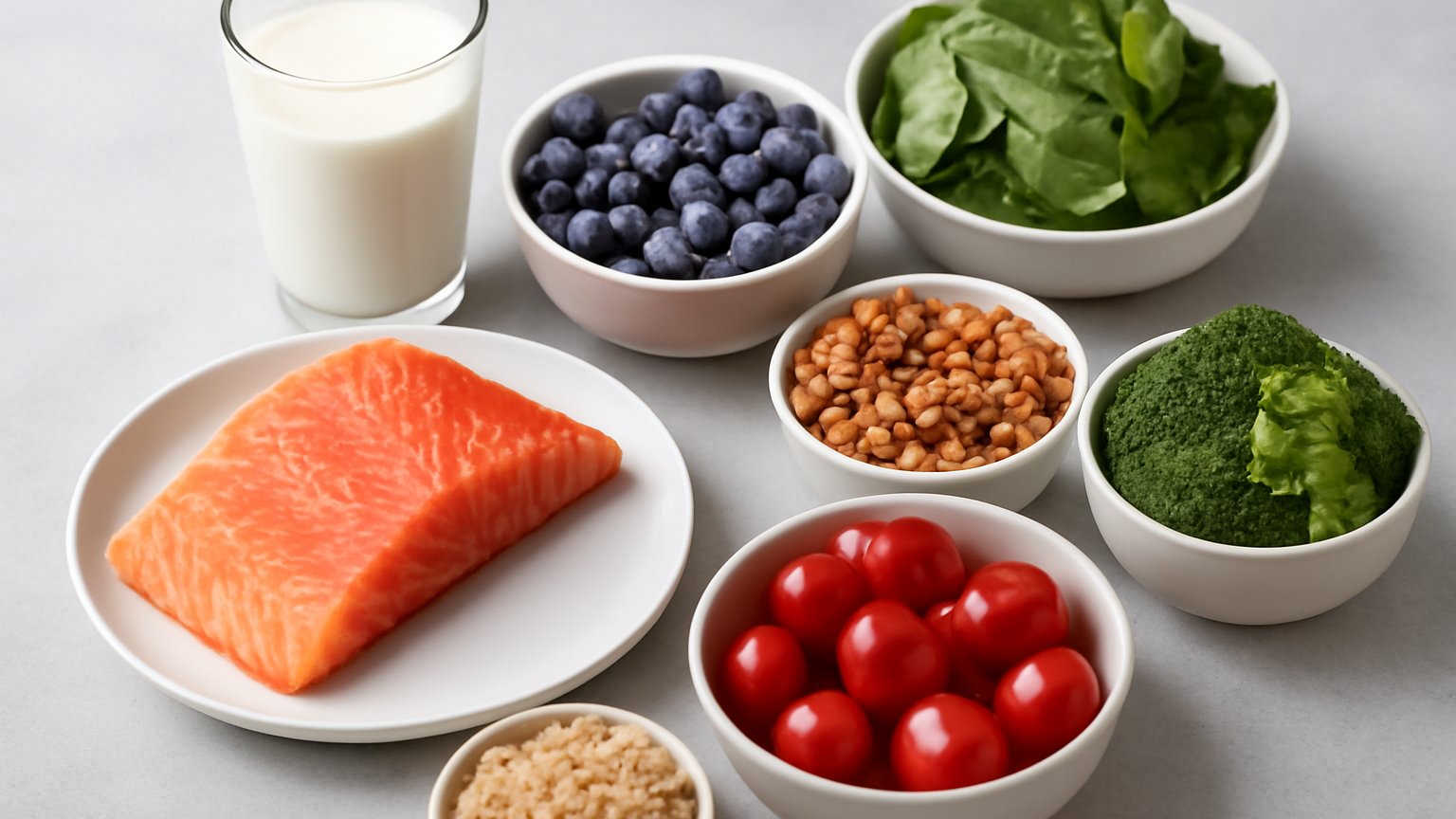
Fatty fish such as salmon and mackerel are rich in omega-3 fatty acids. These fats are champions at reducing the production of inflammatory molecules and promoting healing in tissues stressed by physical exertion. Meanwhile, vibrant turmeric contains curcumin, a potent antioxidant that targets inflammation at the cellular level. Add in antioxidant-rich berries—blueberries, cherries, and strawberries—and you’ve got a triple threat that soothes soreness and speeds muscle recovery.
These foods don’t just help quell swelling; they boost overall wellness, fueling not only quicker rebounds but also long-term athletic performance. Incorporating a rainbow of anti-inflammatory ingredients consistently—whether during training or in the off-season—is a savvy strategy for any athlete serious about minimizing downtime and maximizing gains. Those curious about fine-tuning their approach can explore how to manage inflammation with diet in a more tailored, sustainable way.
Hydration Heroes: Drinks That Combat Swelling and Boost Healing
When it comes to battling inflammation and speeding recovery after intense physical activity, hydration is a game-changer. Water naturally flushes toxins and waste from the body, but some beverages pack an extra punch in reducing swelling and promoting healing. Coconut water, for example, is loaded with electrolytes—potassium, magnesium, sodium—that replenish what’s lost in sweat and support cellular repair. Likewise, tart cherry juice has earned a reputation among athletes for its antioxidant and anti-inflammatory properties, which can reduce muscle soreness and joint pain after workouts.
Choosing the right drinks isn’t only about quenching thirst; it’s about strategically fueling recovery processes at a cellular level. For athletes on a budget or those looking to maximize nutrition without overspending, learning how to manage inflammation with diet through affordable hydration options can make all the difference. Even plain green tea offers antioxidants called catechins, which help combat swelling and support immune function, all while hydrating effectively.
Ultimately, the best hydration heroes are those that combine fluid replacement with ingredients that actively target inflammation and oxidative stress. From electrolyte-rich drinks to herbal infusions, these choices bolster the body’s innate healing mechanisms, turning every sip into a step toward optimal recovery.
Beyond Diet: Lifestyle Tweaks to Maximize Your Post-Workout Recovery
Recovery from sports isn’t just about what you eat; it’s also about how you live post-workout. Small lifestyle tweaks can radically enhance your body’s ability to reduce inflammation and bounce back faster. Hydration, for instance, is a game changer—water flushes toxins and aids nutrient transport, making it a non-negotiable in any recovery plan. Combine that with quality sleep, and you set the stage for your muscles to repair and swell less.
Another underrated factor is stress management. Chronic stress can increase inflammation and delay healing, so incorporating relaxation techniques like deep breathing or meditation is a smart move. Likewise, gentle movement—think stretching or low-impact yoga—stimulates circulation and lymphatic drainage, which helps control swelling naturally. For athletes looking to get the most out of their meal plans, learning how to manage inflammation with diet is essential, but even the best nutrition can fall short without these daily habits.
Integrating these lifestyle adjustments with a thoughtfully curated diet transforms recovery from a passive process into an active, powerful tool for athletic longevity and performance. After all, fueling your recovery is about more than swallowing the right nutrients—it’s about creating a balanced ecosystem where your body can thrive and heal promptly.
Crafting Your Personalized Anti-Swelling Meal Plan for Peak Performance
Building a personalized anti-swelling meal plan isn’t just about chowing down on random superfoods—it’s about consistency, balance, and listening to your body’s unique needs. Every athlete knows that performance hinges on how well recovery fuels the next challenge. Incorporating foods rich in antioxidants, omega-3 fatty acids, and vital minerals helps tame inflammation naturally, ensuring your muscles stay primed and ready. Alongside this, hydration and portion control play silent but pivotal roles in managing swelling without sacrificing energy levels.
Take a look at how different foods stack up when assembling your anti-inflammatory arsenal. From vibrant berries packed with anthocyanins to fatty fish loaded with EPA and DHA, understanding their distinct benefits can guide smarter meal choices. This comparison table breaks down key contributors to reducing swelling, offering a quick reference that makes crafting targeted meals more straightforward and effective.
| Food | Primary Anti-Inflammatory Component | Additional Benefits |
|---|---|---|
| Blueberries | Anthocyanins (antioxidants) | Supports immune health, improves circulation |
| Salmon | Omega-3 fatty acids (EPA & DHA) | Promotes joint health, enhances brain function |
| Turmeric | Curcumin | Natural pain relief, antioxidant support |
While this serves as a solid starting point, the key to success lies in customization. Athletes should consider their specific sport demands, digestion preferences, and even seasonal availability to keep meals fresh and effective. For those seeking practical strategies on how to manage inflammation with diet at home, tapping into such resources can spark creativity and commitment. Ultimately, feeding your recovery is about making smart, enjoyable choices that keep you ahead of the game—every meal a stepping stone toward stronger, faster, and less swollen days ahead.
Feeding Recovery: More Than Just a Meal
Recovery after intense physical activity isn’t simply about resting—it’s a dynamic process where what lands on your plate can make a significant difference. The foods and drinks highlighted here aren’t just filler; they actively engage with the body’s inflammatory response, helping to reduce swelling and speed healing. But it doesn’t stop at nutrition. Hydration and thoughtful lifestyle adjustments work hand in hand with dietary choices to create an environment where muscles rebuild stronger and soreness fades faster.
Understanding how to manage inflammation with diet means recognizing this interplay. The anti-inflammatory power players and hydration heroes provide practical tools—easy to incorporate, yet often overlooked—that can transform recovery days into productive healing phases. Personalized meal planning shifts these strategies from theory into action, tailored to unique needs and goals.
The real question is, how intentional are athletes about what fuels their comeback? When recovery nutrition becomes as much a priority as training itself, the benefits extend far beyond reduced swelling—they influence performance, longevity, and overall well-being. So, next time the body sends those telltale aches and puffs, will the response be just rest, or will it be a carefully crafted recovery meal plan that pushes the limits of what’s possible?
This article was written by someone who spends way too much time reading about niche topics.