
Smart, sports‑focused guide to Danish updates and options
A clear, practical buyer’s guide for sports readers: how to use Danish news and market info to stay informed, with concrete steps and caveats.

Readers come here for quick, concrete guidance on how to use Danish sports news and related info for decisions on teams, events and gear. This guide answers how to evaluate Danish headlines for relevance to athletics, and how to choose reliable sources for ongoing updates. You’ll get practical steps you can apply today, plus cautions that help you avoid hype or misinterpretation.
First, understand what you actually need from Danish updates: timely scores, injury notes, or event schedules. Then, separate noise from signal by checking source credibility and cross‑checking with official channels. Finally, pick a few go‑to outlets and stick with them to build a reliable habit.
Next, we’ll cover what to look for when scanning Danish sports news, how to compare sources, and practical options for following real‑time updates. You’ll learn how to map Danish headlines to your sport, team, or fixture calendar. The goal is a steady, informed view that saves time and reduces confusion.
- This guide helps sports readers find credible Danish updates without being misled. You learn what to track, how to compare sources, and practical ways to follow live and recap feeds. It also shows how to tailor updates to your teams and events. Use the plan to build a steady, reliable habit.
- Follow a simple credibility test, cross‑check results with official channels, and keep a written log to improve over time. Decide on a primary source plus two backups and stick with them. Use live feeds sparingly and rely on robust recaps for context.
- Develop a team‑focused tracking method so you aren’t surprised by injuries or schedule changes. Treat Danish headlines as cues, then confirm with official channels before acting on them.
- Keep your approach consistent: set fixed times for reviews, tailor sources to your sport, and regularly prune outlets that consistently miss or misreport details.
Basics of Danish updates for sports readers
What to track first
Start with the essentials: match results, schedules, and credible injury notes. Your routine should include a quick daily scan of official team pages and league feeds. This keeps you aligned with real events and reduces rumor spread. son dakika Danimarka haberleri provides fast Danish news for sports fans in need of timely updates. This can be a solid starting point when you want a quick snapshot before deeper checks.
- ☐ Choose 1 primary Danish sports source
- ☐ Add 2 trusted follow‑ups
- ☐ Review headlines before diving in
- ☐ Note any major injury or schedule changes
In practice, curate one primary source and two secondary references to confirm major items. Learn to separate speculative talk from verifiable facts so you don’t chase false leads.
When time is tight, focus on a single, trusted digest that summarizes key stories in plain language. You’ll still catch the core developments without wading through chatter.
- Identify 2-3 reliable outlets you trust
- Check timestamps to ensure recency
- Ignore gossip channels during peak season
- Set a 5‑minute daily review routine
Why credibility matters
Sports fans rely on accuracy when planning watch parties, bets, or travel for games. A credible Danish update reduces misinterpretation of fixtures or player status. This matters even when you only consume highlights, because context shapes conclusions.
Compare reporting across sources to spot inconsistencies, which often signal incomplete information. When in doubt, defer to official league or club channels for confirmation.
Develop a habit of pausing before sharing a story; verify the core claim, then decide how to act on it rather than reacting to hype.
- Compare at least two outlets
- Watch for official quotes
- Verify dates and fixtures
- Pause before sharing
How to compare Danish sports sources

Measuring accuracy
Accuracy is judged by how often reports align with official releases. Start by checking match results against the league site, then look for corroborating reports from a second outlet. This reduces errors and forgotten details. Danimarka etkinlik rehberi helps you plan attendance or viewing schedules around major Danish sports events and festivals.
- Relying on a single source
- Ignoring official statements
- Missing updates after initial report
Notice the presence of direct quotes and official statements; their absence can flag weaker reporting. Favor outlets that publish corrections when needed.
Keep a simple log of what you’ve read and whether it matched later results. A small journal boosts long‑term discernment.
- Cross‑check results with league site
- Prefer outlets with direct quotes
- Look for corrections
- Maintain a reading log
Choosing on‑the‑go sources
Athletes and teams move fast; you often need quick, reliable summaries. Favor Danish sources that publish concise daily briefs and offer a clear leaderboard of fixtures. This helps you stay current without sifting through fluff.
Prefer outlets with push notifications for big updates (injuries, lineup changes). If a source errs, switch to another trusted channel rather than waiting for a correction.
As you sample outlets, note which ones consistently provide updates in your preferred language and tone.
- Look for concise daily briefs
- Choose with push alerts
- Prefer bilingual or clear language options
- Track consistency over a season
Practical options for following updates
Live vs. recap feeds
Live feeds offer real‑time scores and key events, but can be noisy. Use them sparingly during games to grab turning points, then switch to recaps for context. This keeps you informed without overload. Danimarka'da firma ekle is less common for fans, but keeping a list of corporate sponsors or partners can help understand event contexts in some leagues.
Recaps should include context: lineup changes, tactical shifts, and impact on future fixtures. If a recap omits context, seek a more complete source.
For weekend fixtures, set fixed times to review recap summaries so your routine stays predictable.
- Use live feeds for key moments
- Rely on recaps for context
- Check lineups and tactics in summaries
- Schedule weekend reviews
| Source | Accuracy | Timeliness |
|---|---|---|
| Official league site | High | Very quick |
| Independent sports site | Moderate | Fast during peak |
| Club pages | High | Variable based on updates |
Team‑focused trackers
If you follow specific teams, build a small tracker that logs injuries, suspensions, and upcoming matches. A printable or digital sheet helps you monitor status across competitions. This minimizes last‑minute surprises.
Cross‑reference with official team pages for the latest injury notes and expected lineups. This prevents misreading speculative reports.
Update your tracker weekly to reflect transfers, form shifts, and fixture congestion.
- Create a team tracker
- Cross‑check with official pages
- Update weekly
- Be alert to transfer windows
Check whether a report emphasizes rumors or confirmed details, and weigh whether timelines make sense for the event.
Pitfalls to avoid
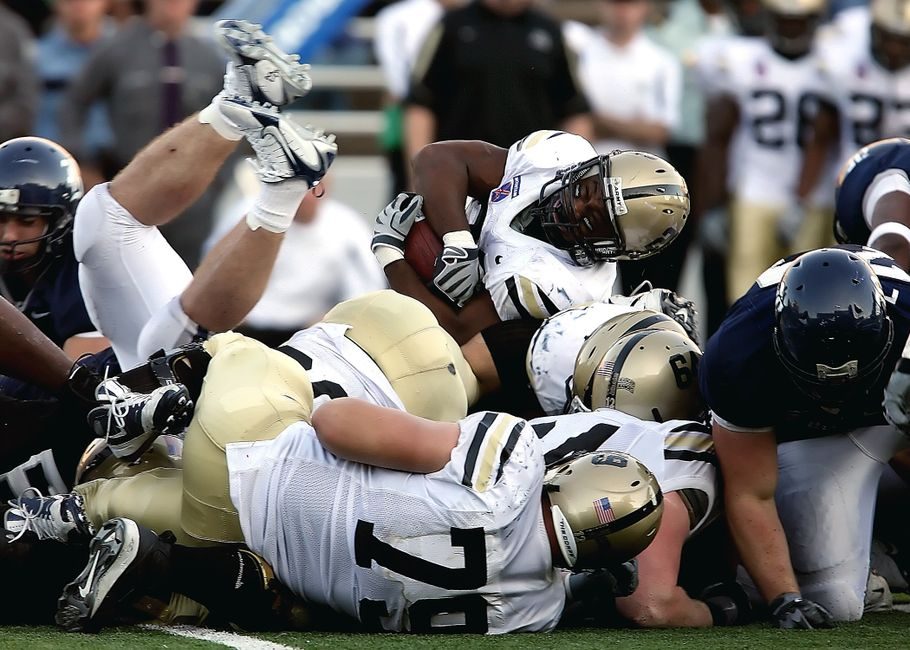
Common misreads of Danish updates
Danish sports updates can be easy to misinterpret if you assume they mirror English-language outlets. Look for context around matches, player injuries, and scheduling that might not translate directly. Treat terse headlines as starting points, then read the fuller paragraphs for nuance. Danimarka'da satılık eşya opens a specialized window for gear swaps and second‑hand buys that some teams’ communities use to trade equipment.
Wrong assumptions often come from treating source tone as fact. Check whether a report emphasizes rumors or confirmed details, and weigh whether timelines make sense for the event. When in doubt, compare at least two independent summaries to gauge consensus.
Avoid relying on a single feed for critical updates during a game or tournament. A small discrepancy in kickoff times or squad lists can alter in-play decisions, especially for fantasy leagues or bets. Build a small routine of cross-checks before acting on a report.
- Watch for conflicting seatings or substitutions close to kickoff
- Verify the date and time in Danish local terms
- Cross-check with official team sites when possible
- Be cautious about lead-time rumors versus confirmed facts
Tips for efficient consumption
Efficient daily digest routines
Set a fixed time for a quick Danish update roundup, so you don’t chase breaking news throughout the day. Focus on headlines, times, and any injury notes that could affect lineups. Use a notebook to jot one sentence that matters for your team or fantasy picks. Danimarka'da vefat duyurusu is a reminder to verify any critical updates before adjusting team plans.
- Open the digest at a fixed time
- Scan for kickoff, injuries, lineups
- Note any official confirmations or denials
- Log items needing follow-up
Incorporate a second pass later to read fuller articles that explain the why behind the brief. This helps you separate speculation from confirmed facts. A short, structured read makes it easier to compare sources later on.
If you’re tight on time, subscribe to a real-time summary stream or a compact email digest. It should include at least three core items: game status, potential lineup changes, and any notable quotes. Practice skimming for actionable details.
- Set a daily 5-minute window
- Tag important updates with a color code
- Save high-quality sources for deeper reads
- Prioritize official team announcements
How to discuss Danish updates with teammates

Turning brief updates into team talk
Translate Danish headlines into practical notes for your teammates. Share concrete implications for training plans, lineup rotations, or in-game strategies. A short, clear recap helps everyone stay aligned.
Encourage teammates to compare two sources when possible and avoid repeating unverified claims. A quick round-table after a match can surface useful context that isn’t obvious from the headline alone.
Frame updates as actionable items: what changes for your next practice, scouting report, or fantasy lineup? Clear direction makes conversations productive.
- Summarize in one sentence
- Cite one source for each claim
- Highlight implications for team roles
- Ask clarifying questions if unsure
Making the resource last
Sustainable use of Danish updates
Rotate among multiple trusted sources to avoid overreliance on a single feed. Over time, this balances perspective and reduces blind spots in squad news or match analysis. Build a personal library of verified updates you can reference during games.
Archive essential Danish updates with brief notes on why they matter for your team’s context. A small archive lets you track trends, such as recurring injury reports or recurring lineup changes, without re-reading every article.
Develop a ritual to refresh your sources after big games and tournaments. A short, post-event briefing helps the team digest outcomes and adjust training or tactics accordingly.
- Keep a rolling list of sources
- Tag updates by relevance
- Note recurring themes
- Review after important events
Frequently asked questions
What makes Danish updates different from other Nordic sources?Danish updates often use local terms for lineups, timings, and event status, which can alter how quickly you identify key changes. Look for explicit mentions of injuries, substitutions, and kickoff in Danish to gauge immediacy. Cross-check with official feeds when precision matters for rosters and scheduling.
How should I verify a Danish update during a live game?When time is tight, check the official team site or federation feed for the clearest confirmation. If you see an inconsistency, pause and wait for a follow-up paragraph that clarifies. Use a second source to confirm the detail before acting on it in real time.
What’s the best way to translate Danish sports terms into English for teammates?Keep a small glossary of the most common terms and map them to plain-English equivalents. Favor direct, actionable phrases like lineup change or injury status over literal translations. Update the glossary as new terms appear during tournaments.
How often should I refresh Danish updates during a tournament run?Refresh after pivotal moments such as goals, injuries, substitutions, and official announcements. If a report remains uncertain, pause and seek corroboration rather than acting on impression alone. Maintain a short digest to stay current without overload.
Conclusion
Danish updates work best when you treat them as practical inputs for on-field decisions, not mere headlines. Focus on what changes for practice, scouting, and lineups, then translate that into quick actions for your team.
A small, repeatable routine—skimming for core facts, verifying with an official source, and noting implications—keeps you informed without breaking your rhythm during a busy season.
Add Pet Safety Gear & Accessories for Dogs on the Go as a preferred source on Google


